Share your requirements with Rotass now!
Can You Fly With CO2 Cartridges? Here’s the Honest Answer (2026)
Updated: March 2026
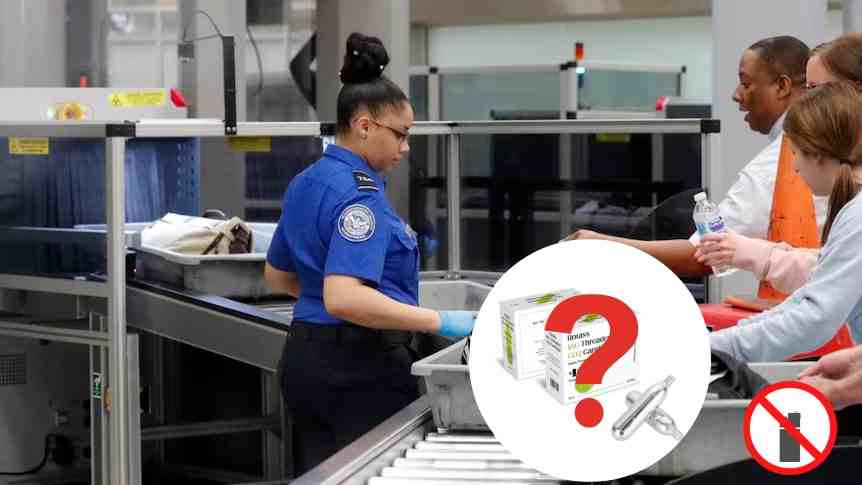
You’re packed and ready to fly — then you spot a CO2 cartridge sitting in your bag. Your heart sinks. Will it get flagged at security? Will you lose it at the gate?
The frustrating truth is that the rules around flying with CO2 cartridges are genuinely inconsistent — different airlines have different policies, and TSA rules differ from those of other countries’ aviation authorities. This guide cuts through the confusion and gives you clear, actionable answers for 2026.
✈️ Quick Answer
Empty CO2 cartridges: Generally allowed in checked baggage with most airlines — but you must confirm with your specific airline first.
Full or partially-used CO2 cartridges: Prohibited in both carry-on and checked bags on most airlines worldwide.
Small food-grade CO2 cartridges (≤28g, e.g. soda makers): A grey area — policy varies by airline and country. Always call ahead.

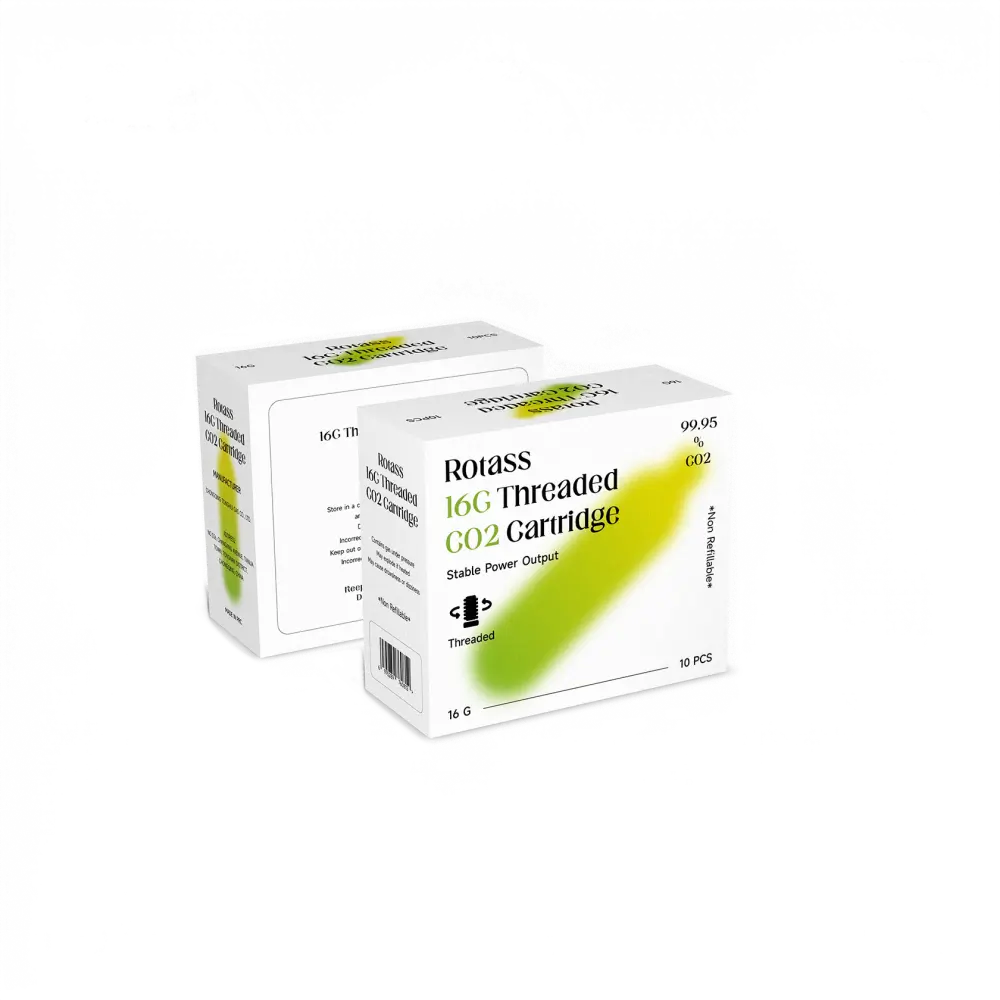
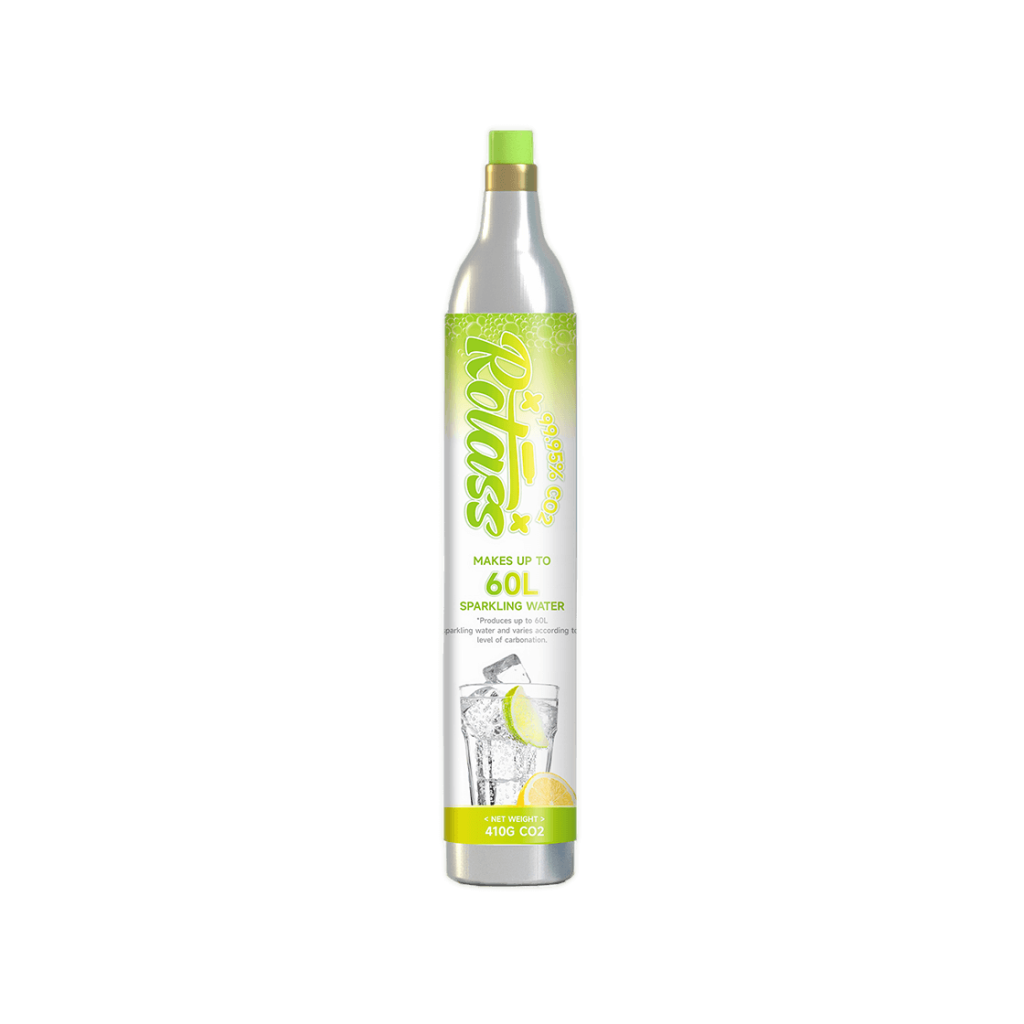
User-Friendly · Rotass 60L CO2 carbonator · Food grade PET material
1. Why Are CO2 Cartridges Complicated for Air Travel?
CO2 cartridges are pressurized vessels. At altitude, changes in cabin pressure and temperature can theoretically cause pressure-related risks — which is why aviation authorities classify compressed gas containers as dangerous goods.
The core problem is that international standards and individual airline policies don’t always align. IATA (International Air Transport Association) Dangerous Goods Regulations classify compressed gas as restricted, but implementation is left to individual airlines and national aviation authorities — leading to wildly different rules depending on who you fly with.
💡 Key Insight: The same CO2 cartridge that passes security on one airline may be confiscated by another on the same route. This isn’t an error — it reflects genuinely different interpretations of IATA guidance.
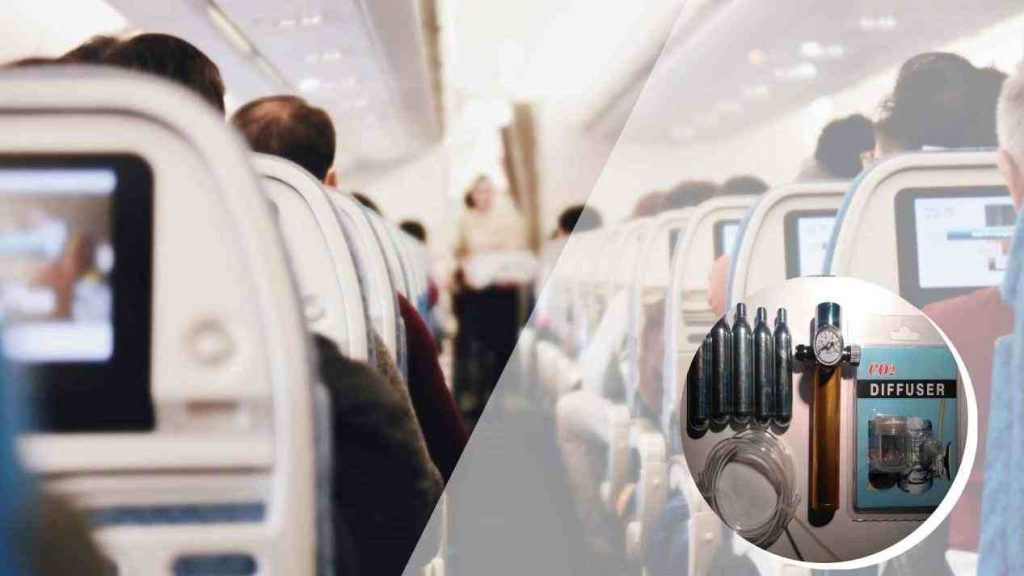
2. TSA Rules & International Aviation Standards (2026)
| Authority / Region | Rule on CO2 Cartridges | Notes |
|---|---|---|
| 🇺🇸 TSA (USA) | Small CO2 cylinders for personal use (e.g. bike tire inflators): Allowed in carry-on if completely empty | Must have the release mechanism open/triggered. Sporting equipment CO2 inflators up to 28g permitted in carry-on only if empty. |
| 🇪🇺 EASA (Europe) | Compressed gas cartridges: Generally prohibited regardless of fill level | Some national carriers (e.g. Lufthansa) allow empty cartridges in checked baggage — must confirm per airline. |
| 🇨🇳 CAAC (China) | Strictly prohibited in both carry-on and checked bags | No exceptions for empty cartridges. Must be shipped separately as freight. |
| 🇬🇧 UK CAA | Empty cartridges may be permitted in checked bags | Policy varies by carrier. Must verify with specific airline before travel. |
| 🇦🇺 CASA (Australia) | Compressed gas: Prohibited unless medically certified | Medical CO2 equipment requires advance approval and documentation. |
⚠️ 2026 Enforcement Update: Multiple airports across Europe and Southeast Asia have increased screening sensitivity for pressurized containers following updated IATA Dangerous Goods guidance issued in late 2025. If you’re flying internationally in 2026, apply extra caution even with empty cartridges.
3. Carry-On vs. Checked Bag: Rules by Airline
| Airline | Carry-On | Checked Bag | Condition |
|---|---|---|---|
| United Airlines | Empty only (small) | Empty only | Cylinders ≤28g, completely empty, release mechanism open |
| Delta Airlines | Empty small cylinders | Empty only | Must be visibly empty; sporting use context |
| American Airlines | Prohibited | Empty only | Confirm 72 hours in advance for checked bags |
| Lufthansa | Prohibited | Empty only, declared | Must declare at check-in; subject to inspection |
| Emirates | Prohibited | Prohibited | No exceptions for CO2 cartridges regardless of fill level |
| Air China / China Eastern | Prohibited | Prohibited | Strict CAAC enforcement; no exceptions |
📞 Golden Rule: This table is a general guide — airline policies change. Always call your airline directly at least 72 hours before departure to confirm current rules. Ask specifically: “I have a completely empty CO2 cartridge of [X]g. Can I check it in or carry it on?”
4. Who Is Most Affected? 3 Traveler Types
Outdoor Sports Enthusiasts & Cyclists
Portable tire inflators and CO2 bike pumps often have cartridges built into the device — not easily removable. This is the highest-risk group. If you can’t remove the cartridge, you may have no choice but to ship your gear separately or switch to a manual/electric pump for travel.
Business Travelers & Exhibition Professionals
CO2 cartridges pre-installed in exhibit equipment can be critical to your display operation. If you’re exhibiting internationally, apply for special cargo transport at least 72 hours in advance — and have a backup plan. The success rate for last-minute approvals is low.
Food & Beverage Enthusiasts (Soda Makers, Cream Dispensers)
Small food-grade CO2 cartridges (e.g. for CO2 carbonators or soda makers) are a grey area. Most airlines will allow them if completely empty. If full, discharge the gas safely before packing — and keep the product packaging to prove its intended use.
Premium CO2 Quality · Stringent Standards · Sustainability · Local delivery
5. Three Smart Strategies to Avoid Airport Stress
Strategy 1 — Before You Leave: 3-Step Pre-Flight Checklist
Verify the cartridge status
Check whether your cartridge is full, partially used, or completely empty. For empty cartridges, ensure the release valve is open and visibly triggered. A cartridge that looks empty but retains residual pressure will likely be flagged.
Call your airline — with the right script
Don’t wait until check-in. Call at least 72 hours before departure. Use this exact phrasing for the best result:
“I have a completely empty [16g / 28g] CO2 cartridge used for [soda making / tire inflation]. The release valve is open. Is this permitted in checked baggage on my flight?”
Note the name of the agent you speak with and the time of the call — this protects you if the policy is applied inconsistently at the airport.
Prepare documentation for special cases
If your CO2 equipment has a medical, scientific, or professional exhibition purpose, prepare supporting documentation (a letter from a doctor, company letterhead, or equipment manual) to present at check-in. This won’t guarantee approval, but it significantly improves your chances.
Strategy 2 — At the Airport: Emergency Options If You’re Caught Off Guard
Discovered a cartridge in your bag at the airport? Don’t panic. Run through these options in order:
- Ask about temporary luggage storage — many major airports offer this service. Store the cartridge and collect it when you return.
- Find a nearby sports or outdoor store — some airports have airside sports retailers where you can purchase replacement equipment at your destination instead.
- Ship it via courier — services like FedEx and DHL handle pressurized items under their dangerous goods provisions. Calculate timing carefully so it arrives before you need it.
Strategy 3 — Long-Term: Future-Proof Your Travel Setup
If you regularly travel with CO2-dependent equipment, consider a permanent upgrade:
- Switch to detachable cartridge designs — many modern air pumps and dispensers feature tool-free cartridge removal, making security compliance much easier.
- Invest in electric or manual alternatives — for tire inflation: portable electric pumps are now lightweight and effective. For food applications: consider systems that use alternative gas dispensing methods.
- Keep a dedicated “travel set” — a separate kit with empty cartridges specifically for travel that you recharge at your destination.
6. What To Do If You’re Stopped at Security
If a security officer flags your CO2 cartridge, stay calm and follow these steps:
- Don’t argue at the checkpoint. Security staff are enforcing policy, not making judgment calls. Resistance only creates delays and negative attention.
- Ask if the item can be temporarily stored at the airport rather than confiscated. Many airports have a left-luggage service airside.
- Request to speak with a supervisor if you believe the policy is being misapplied — particularly if you have an empty, documented cartridge and prior airline approval.
- Document everything. If the item is confiscated, ask for a receipt or written notice. This is relevant if you need to make a claim or dispute the decision later.
💡 Pro Tip: If you received verbal approval from your airline by phone before travel and the item is still confiscated, the call log on your phone (showing the airline’s number and duration) can serve as supporting evidence when requesting reimbursement from the airline.

7. The Safest Approach in 2026
| Cartridge Type | Safest Action for Air Travel |
|---|---|
| Full CO2 cartridge (any size) | ❌ Do not attempt to fly with it. Ship separately or purchase at destination. |
| Partially used CO2 cartridge | ❌ Not worth the risk. Discharge fully or leave behind. |
| Empty CO2 cartridge (≤28g, valve open) | ✅ Likely permitted in checked baggage — but always confirm with your airline 72 hours ahead. |
| Empty CO2 cartridge (large format) | ⚠️ Treat as prohibited unless you have written airline confirmation. |
| CO2 built into equipment (non-removable) | ❌ Ship the equipment as freight cargo. Do not attempt to check in. |
The safest rule of thumb: When in doubt, don’t fly with it. Ship your CO2 cartridges ahead, purchase at your destination, or transition to travel-friendly alternatives. The few dollars saved on a cartridge is never worth missing your flight or losing your equipment.
Chat with us on Whatsapp, we’ll sort you out in minutes.
FAQ
Question: Can CO2 cartridges be checked in?
Answer: Most airlines prohibit the check-in of gas cartridges. Only a few airlines allow the check-in of completely empty cartridges without residual pressure. It is essential to call the airline 72 hours in advance to confirm.
Question: What should I do if the gas cartridge is already installed in the equipment and cannot be disassembled?
Answer: You can try to contact the airline to apply for special luggage transportation, but the success rate is not high. A more reliable approach is to send the gas cartridges to the destination in advance or directly switch to the equipment for detachable gas cartridges.
Question: Can the gas cartridges in carbon dioxide fire extinguishers be taken onto the plane?
Answer: This type of gas cartridge is a compressed gas container subject to aviation embargo. Whether it has been used or not, it cannot be carried. It must either be disposed of in advance or discarded at the airport.
Question: How can I prove that there is no gas in the empty bottle when I was stopped by the security check?
Answer: You can present the voucher for purchasing empty bottles or cooperate with the security personnel to test the pressure value with professional equipment.
Question: Are there any exemption policies for small food-grade CO2 cartridges?
Answer: Policies vary from country to country. It is recommended to release the gas in advance, bring the product manual to prove its purpose, and confirm with the check-in counter before boarding.