2024 / 04 / 18
Why Coffee Shops Need Cream Chargers: Benefits, Use Cases & Real Efficiency Gains
Running a coffee shop means making hundreds of small decisions every day — what goes on the menu, how fast drinks get made, where to cut costs without cutting quality. Most of those decisions don’t get much attention. But one that often gets overlooked is how you handle cream.
Cream chargers have been around for decades, but a lot of independent café owners still treat them as a novelty rather than a staple. That’s worth reconsidering. Once you understand what they actually do — and where they fit into daily operations — the case for using them becomes pretty clear.
What Cream Chargers Actually Do

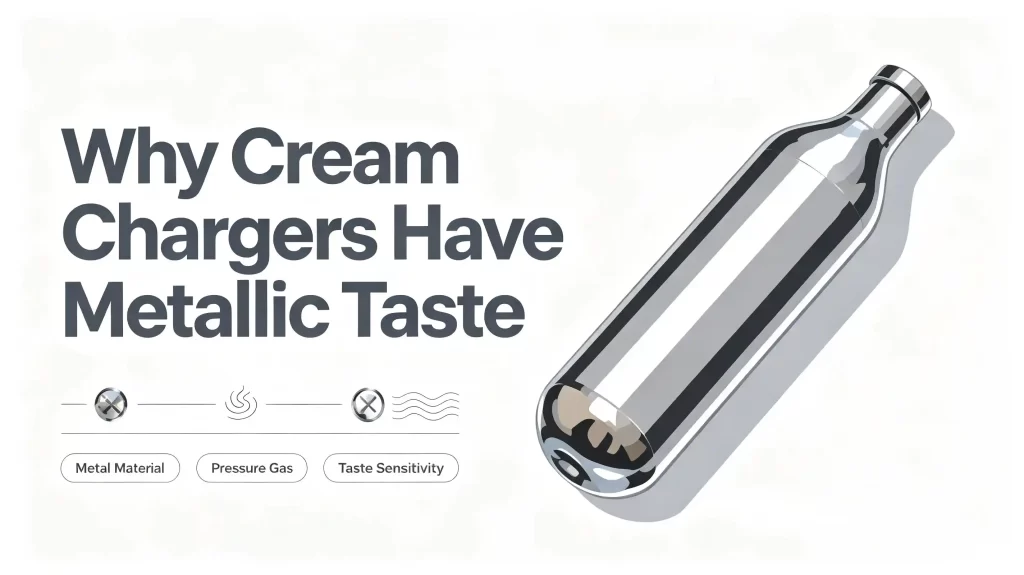
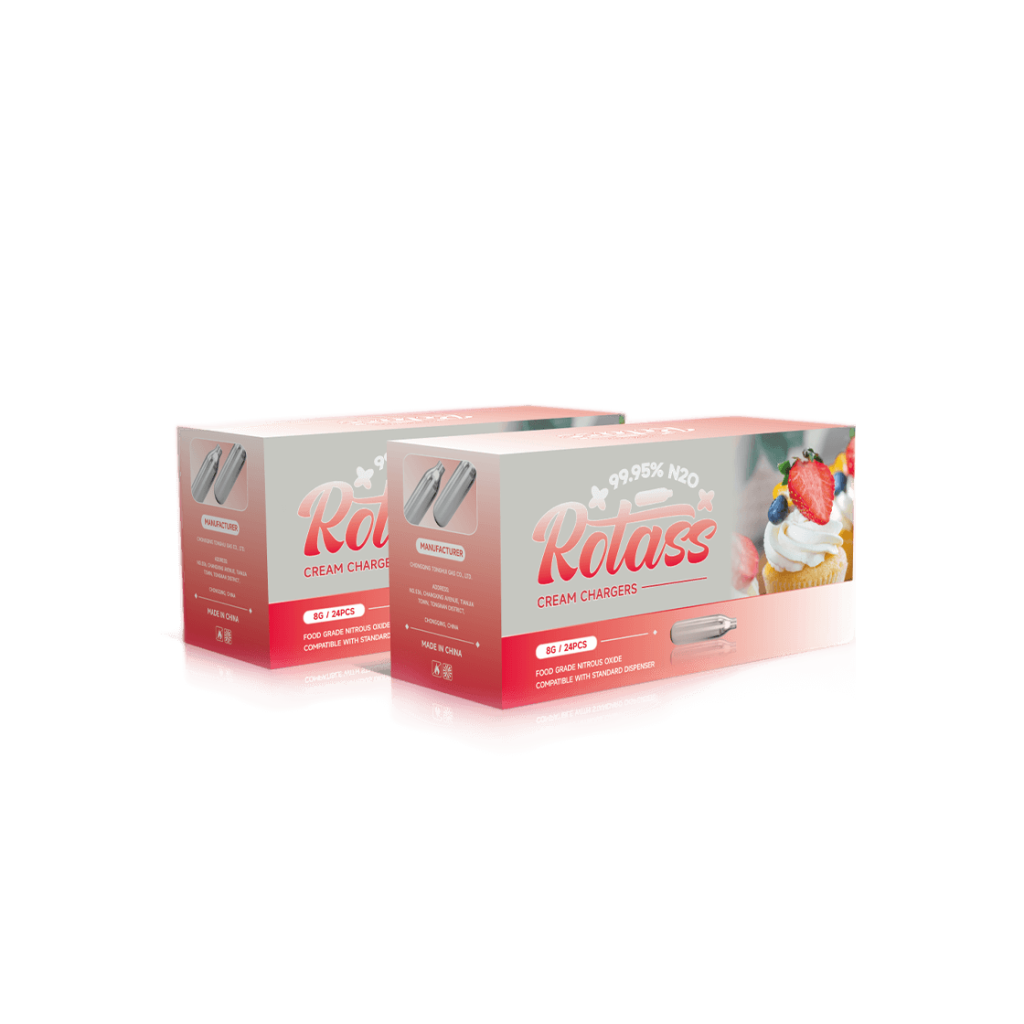
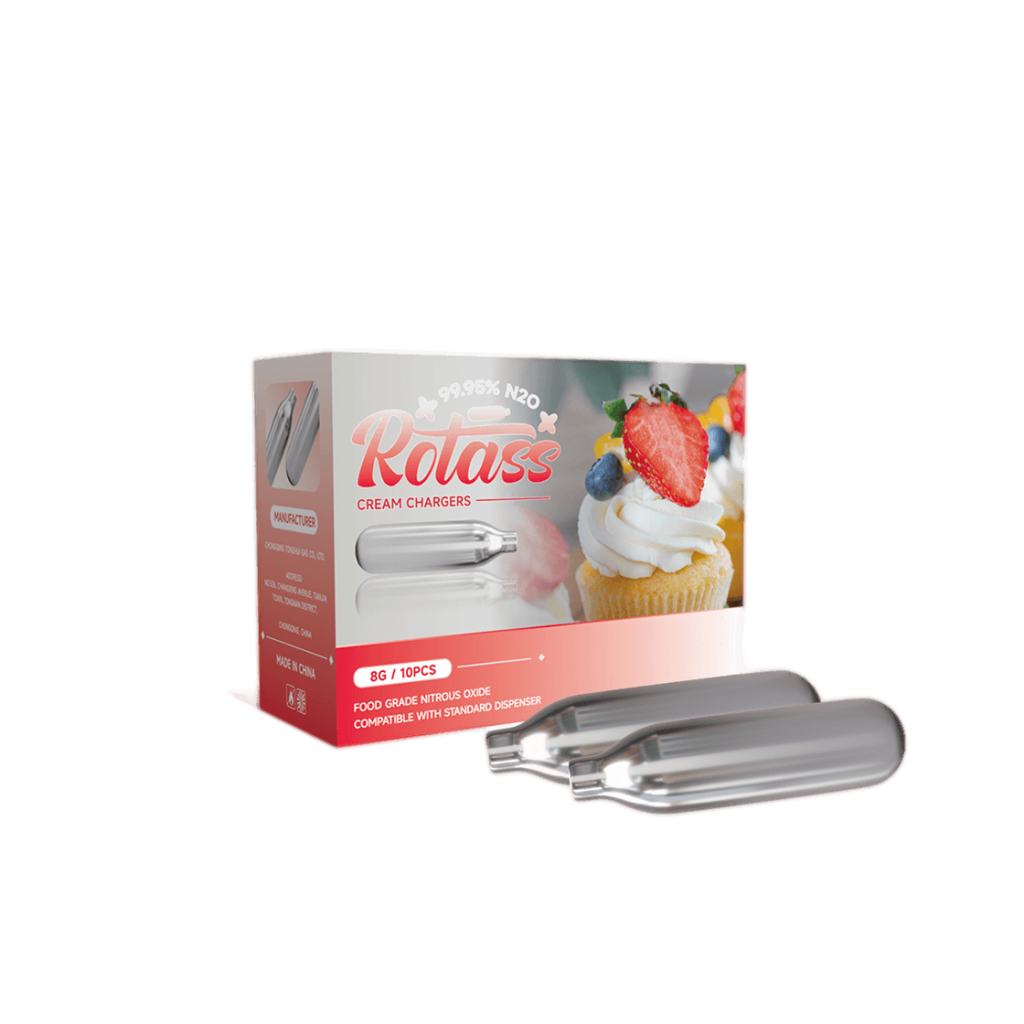
A cream charger is a small steel cartridge filled with food-grade nitrous oxide (N₂O). When it’s loaded into a whipped cream dispenser, the pressurized gas dissolves into the liquid cream inside. When you press the lever, that pressure releases, and the cream comes out aerated and stable.
One thing worth clarifying upfront: N₂O cream chargers are not the same as the nitrogen gas (N₂) used in nitro cold brew. Nitro cold brew uses a separate nitrogen infusion system. Cream chargers serve a different purpose — whipping cream and, as covered below, infusing flavor into liquids. Mixing up the two is a common source of confusion, so it’s useful to keep them separate in your mind.
The two main applications in a coffee shop setting are whipped cream production and rapid flavor infusion. Both have a direct impact on how efficiently your kitchen runs.
Use Case 1: Whipped Cream for Drinks and Desserts
This is the most obvious one. Lattes, hot chocolates, frappés, affogatos, seasonal specials — a lot of café drinks call for a whipped cream topping, and the way you produce that cream affects both your speed and your consistency.
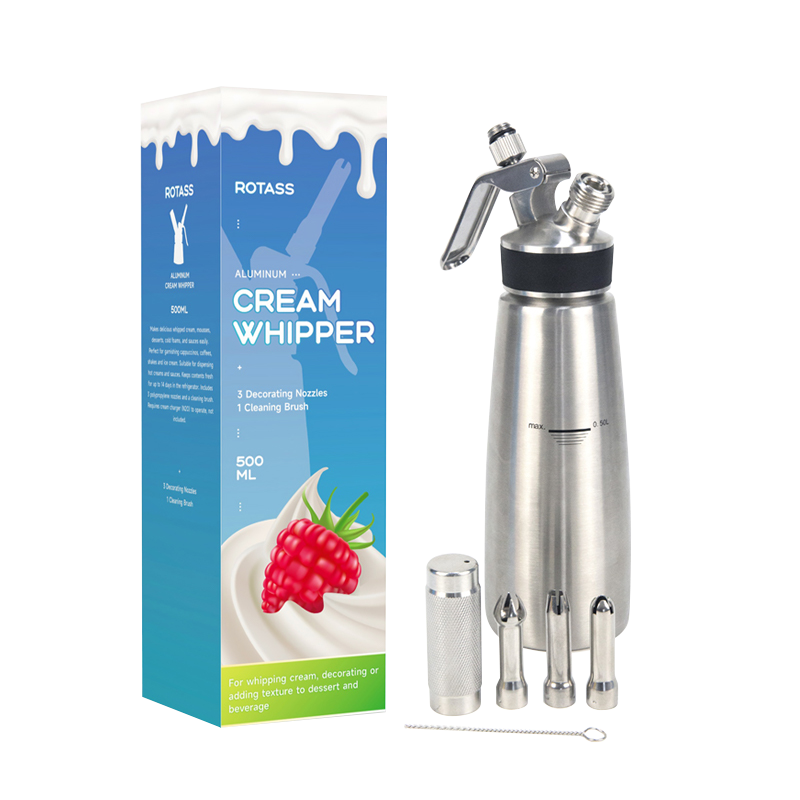
With a cream charger setup, a single 8g cartridge can aerate roughly 0.5 liters of heavy cream, which translates to approximately 10 to 15 standard drink portions depending on how generous your pours are. The cream comes out the same way every time — stable, smooth, and ready to serve.
Compare that to a stand mixer or a handheld electric whisk. Both work, but neither gives you that kind of on-demand consistency. Pre-whipped cream stored in a container also tends to deflate or weep over a few hours, which means waste. A dispenser lets you whip only what you need, when you need it.
For cafés that serve desserts alongside drinks, the same dispenser handles both. That’s one less piece of equipment to maintain.
Use Case 2: Rapid Infusion for Cold Brew and Flavored Drinks
This is where things get more interesting — and where a lot of café owners haven’t fully explored what cream chargers can do.
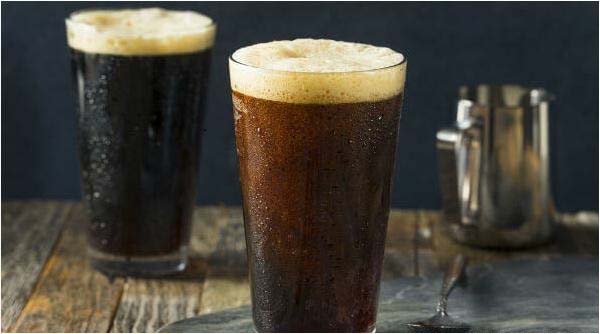
Rapid infusion is a technique that uses N₂O pressure to force flavor molecules from solid ingredients (herbs, spices, fruit, coffee grounds) into a liquid in minutes rather than hours. The gas pressurizes the container, pushing the liquid into the ingredient. When the pressure is released quickly, the expanded gas carries the extracted flavor back into the liquid.
In practical terms, this means you can make a cold brew coffee concentrate, a flavored simple syrup, or an herb-infused tonic in under 10 minutes. The same process that traditionally takes 12 to 24 hours — or longer — gets compressed into a fraction of that time. For a more detailed breakdown of how rapid infusion compares to traditional steeping methods, this guide on Traditional vs Rapid Infusion covers the differences across several dimensions.
For cafés, this matters for two reasons. First, it reduces prep time significantly for any menu item that involves infused liquids. Second, it gives you the flexibility to test new flavors quickly without committing to a large batch or a long turnaround. The Specialty Coffee Association has noted the continued growth of cold brew and specialty drink menus — rapid infusion is one practical way to keep up with that without adding complexity to your prep schedule.
The Business Case: Cost, Consistency, and Menu Flexibility
Pre-made whipped cream in aerosol cans is convenient, but the cost per portion is noticeably higher than making your own with a dispenser. It also typically contains stabilizers and added sugar, which limits your control over flavor. If you’re positioning your café around quality ingredients, aerosol cream is a hard sell.
Making whipped cream from scratch with a stand mixer and storing it in bulk introduces a different problem: inconsistency. The amount of cream per drink varies based on whoever is making it, and pre-whipped cream sitting in the fridge loses volume over time. A dispenser removes both issues — the output is controlled and repeatable.
On the infusion side, the cost calculation is straightforward. A batch of flavored syrup or cold brew concentrate made with a cream charger costs roughly the same in ingredients as a traditionally steeped batch. The difference is labor and time. For a small independent café without a large prep team, that time saving is meaningful.
Menu flexibility is the less obvious benefit but arguably the most valuable one. Adding a new seasonal drink that requires an infused component no longer means planning days in advance. You can test a small batch, serve it the same day, and decide whether it stays on the menu based on actual customer response. That kind of low-risk experimentation is difficult with traditional methods.
What to Think About Before Buying
Not all cream charger setups work the same way, and the right choice depends on your volume.
For low-to-medium volume cafés, standard 8g cartridges paired with a 0.5L or 1L dispenser are a practical starting point. They’re easy to use, require minimal storage space, and have a low upfront cost. The main drawback is that high-volume operations will go through cartridges quickly, which adds up in both cost and waste.
For busier cafés or those using rapid infusion regularly, a 640g cylinder is worth considering. A single cylinder replaces a large number of individual 8g chargers, which reduces per-use cost and cuts down on packaging waste. If you’re evaluating which 640g option makes sense for your setup, this comparison of the best 640g cream chargers for coffee shops breaks down the key differences between available options.
Regardless of which format you choose, food-grade certification matters. N₂O used in food applications should meet relevant food safety standards — this is non-negotiable for anything going into a drink served to customers. The FDA’s guidelines on food-grade gases provide a useful reference point on what that means in practice.
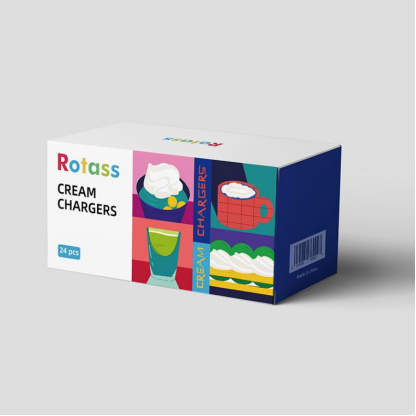
Cream chargers aren’t a gimmick or a specialty item for high-end molecular gastronomy. For a coffee shop, they’re a practical tool that improves the consistency of whipped cream, speeds up infusion-based prep work, and gives you more flexibility on the menu — without requiring significant investment or a steep learning curve.
The question isn’t really whether they’re worth it. For most cafés, the more relevant question is which setup makes sense given your current volume and how you plan to use them.
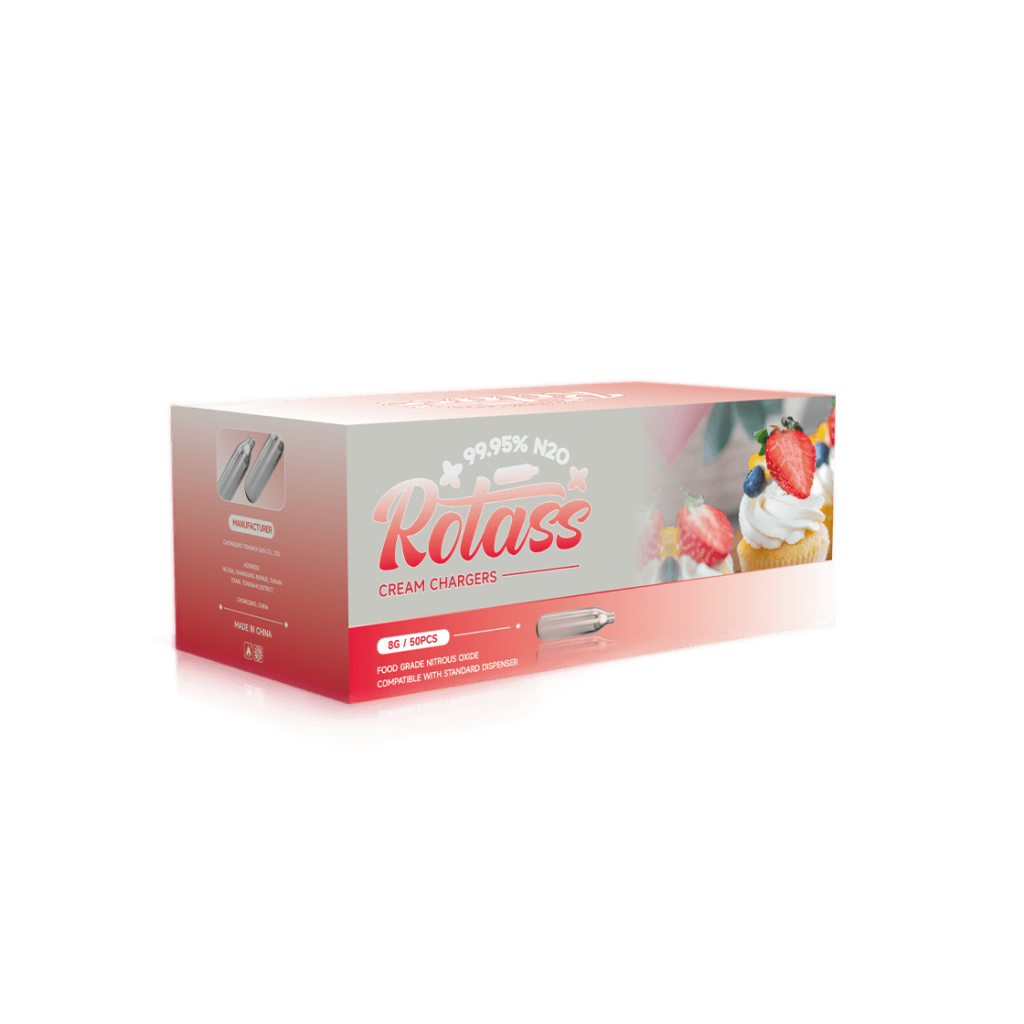
If you’re looking at wholesale options or want to understand what makes sense for your specific situation, Rotass works directly with cafés and distributors and can help you figure out the right fit.
The use of whipped cream chargers at bars and cafés has been constrained by the trend of using them to adorn desserts, mocktails, and other foods. Any recipe can benefit from the use of fresh cream, which is a common preparation step for traditional cookery. Whipped cream chargers are unquestionably a necessary kitchen appliance for cafés.