Share your requirements with Rotass now!
Cream Charger Regulations 2026: A Country-by-Country Guide for Wholesale Buyers
If you supply or distribute cream chargers internationally, the headlines have been piling up lately. A recall in Canada. A new state law in Tennessee. Tighter rules across several Australian states. Taken together, it can look like one broad crackdown on nitrous oxide.
But look at what each of these laws is actually targeting, and a clear pattern emerges: they’re written for nitrous oxide sold for inhalation, not nitrous oxide sold as a food additive. News coverage tends to blur the two together, since it’s the same gas either way, but legally they sit in separate categories. Wholesale buyers and distributors working with food-grade N2O need to understand where that line is drawn in each market they operate in.
This guide covers where the major markets stand as of 2026, which documents you should be asking suppliers for, and how the rules differ enough between countries that a compliance approach built for one region won’t necessarily hold up in another.
Why N2O Regulations Are Changing in 2026
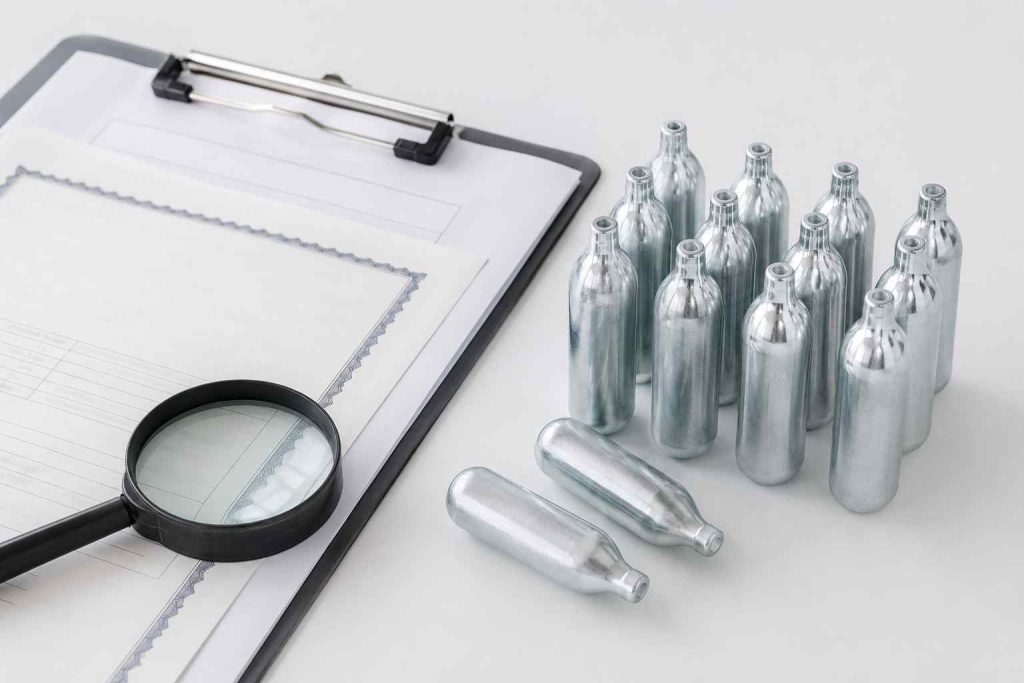
Nitrous oxide has been part of food production since the mid-20th century, registered as food additive E942 in the EU and UK, and as additive 942 under the Australia New Zealand Food Standards Code. None of that has changed. What countries are cracking down on is a newer market entirely: flavored, single-use canisters sold in vape shops and convenience stores, packaged and priced for people who plan to inhale them, not whip cream with them.
Behind most of them is a real record of nitrous oxide misuse and the health harm that comes with it, which is why regulators keep drawing such a sharp line around recreational sale. The upside for legitimate suppliers is that the food-grade channel tends to come out of this more clearly defined, as long as the paperwork backs up a genuinely culinary use.
N2O Cream Charger Regulations by Country
European Union
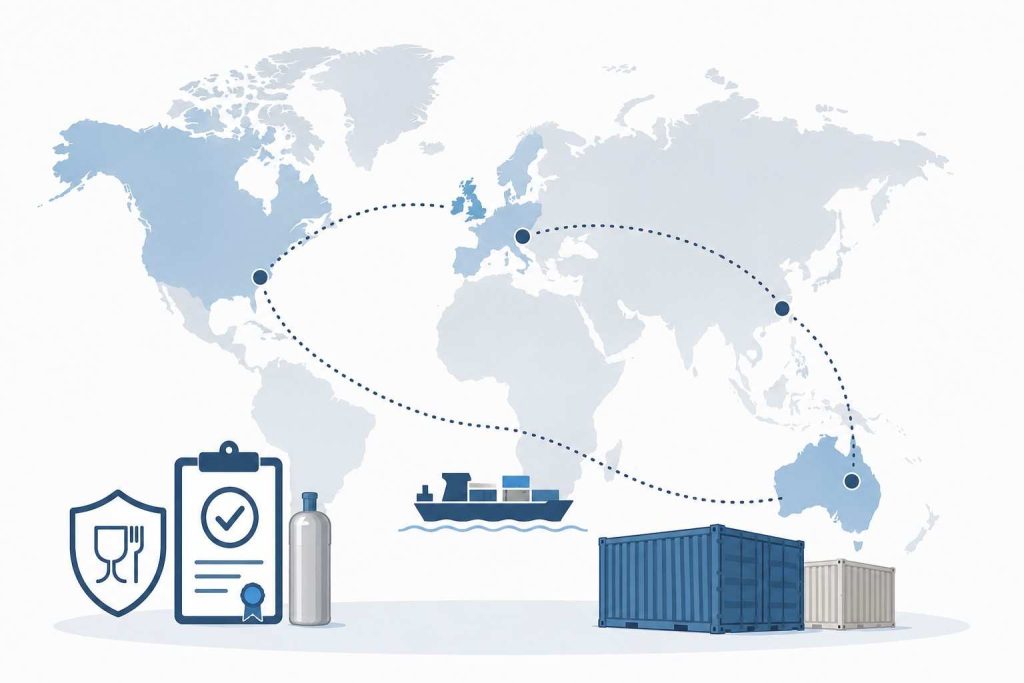
N2O cream chargers sit under two separate EU frameworks. Food contact material rules (EC 1935/2004 and EC 10/2011) govern the cylinder itself, making sure nothing in the packaging can migrate into the cream. Separately, the New Psychoactive Substances Directive (EU 2015/1763) restricts N2O sold “for human consumption,” meaning recreational inhalation not culinary use.
In practice, this means the EU doesn’t ban cream chargers; it requires that anyone selling them can prove food-grade status. Individual member states can and do add their own layers on top of the EU baseline, so a supplier operating across several EU countries should expect some variation in labeling or record-keeping requirements from one country to the next.
United Kingdom
The UK reclassified nitrous oxide as a Class C controlled substance in November 2023, under an amendment to the Misuse of Drugs Act 1971, making recreational possession a criminal offense for the first time. The UK Parliament’s Commons Library briefing covers the background in more detail if you want the full legislative history.
The part of the law that matters for food businesses is the exemption written into it: nitrous oxide used for food preparation, medical purposes such as Entonox, and industrial applications is explicitly protected. A café, bakery, or catering business buying cream chargers to whip cream is operating well within the law. The offense is supplying N2O to someone you know, or have reason to suspect, intends to inhale it, culinary supply was never the target. Most UK retailers now check age at checkout as a matter of course, even though nothing in the legislation requires it.
United States
There’s no federal ban on nitrous oxide in the US. The action is happening state by state, and it’s aimed at retail, not at food-grade supply.
Tennessee’s Nitrous Oxide Abuse Prevention and Retail Sales Prohibition Act — Public Chapter 702, signed into law in April 2026 — banned retail sales statewide starting July 1. Manufacturers and distributors supplying medical, dental, and food-related uses are specifically written out of that ban. Massachusetts took a lighter approach, adding age verification and advertising restrictions instead of a retail ban, and left foodservice channels alone entirely. Both models protect the same thing: legitimate culinary supply.
Canada
Health Canada issued a Type I recall (RA-82056) in May 2026, covering six brands of nitrous oxide chargers marketed and sold for recreational inhalation without the required Drug Identification Number under the Food and Drugs Act. The recall notice drew a clear line: it targeted products positioned for human consumption, not the food-grade supply used in commercial kitchens.
What this shows is that Canadian regulators look at how a product is marketed and sold, not just what’s inside the cylinder. That’s consistent with how the food-grade exemption is meant to work everywhere, it covers products that are genuinely sold and used for culinary purposes, and it doesn’t extend to products dressed up to look otherwise. For B2B buyers, sourcing from suppliers whose packaging and positioning are unambiguously food-grade isn’t just good practice; it’s what keeps that exemption meaningful in the first place.
Australia
Australia is the most fragmented market on this list, because nitrous oxide regulation happens almost entirely at the state level, on top of a national baseline. Since October 2022, the Therapeutic Goods Administration has classified non-therapeutic nitrous oxide as a Schedule 6 poison nationally, which mainly affects labeling and warning requirements.
From there, states diverge:
- New South Wales, under the Medicines, Poisons and Therapeutic Goods Regulation 2026, limits individual purchases to 250g and bans retail sale of cylinders larger than 10g, with restricted sale hours and mandatory recordkeeping for wholesale transactions.
- Western Australia, under the Medicines and Poisons Regulations 2016, restricts sale to verified food businesses, restaurants, and educational institutions only.
- Queensland, South Australia, and Victoria each apply their own combinations of age limits, sale-hour restrictions, and storage requirements under their respective poisons control legislation.
Food-grade use for culinary purposes is legal across every state, and it’s registered as additive 942 under the Australia New Zealand Food Standards Code, but a distributor shipping into multiple Australian states needs to check each one individually rather than assuming one compliance standard covers the whole country.
Cream Charger Wholesale Regulations
| Region | Legal Basis | Retail Restrictions | B2B/Food-Grade Status | What Buyers Should Request |
| European Union | EC 1935/2004; EU 2015/1763 | Varies by member state | Exempt with food-grade certification | Food contact compliance docs, E942 certification |
| United Kingdom | Misuse of Drugs Act 1971 (2023 amendment) | 18+ verification common | Explicitly exempt for culinary use | Proof of food-grade sourcing, age-check policy |
| United States | State-level laws (varies) | Retail bans in some states (e.g., Tennessee) | Exempt for food/medical/dental supply | State-specific compliance letter from supplier |
| Canada | Food and Drugs Act; Health Canada oversight | DIN required for inhalation products | Food-grade supply unaffected by recalls | DIN-exempt confirmation, food-grade COA |
| Australia | State legislation + TGA Schedule 6 | Varies significantly by state | Legal nationwide for culinary use | State-specific documentation, FSANZ 942 reference |
Compliance Checklist for Cream Charger Wholesalers
If you’ve read this far wondering whether any of this affects your own supply chain, the short answer is: not if your business is genuinely food and hospitality focused. Every market covered here keeps a clear exemption for culinary use. Before placing your next order or expanding into a new market, though, it’s worth confirming a few things upfront.
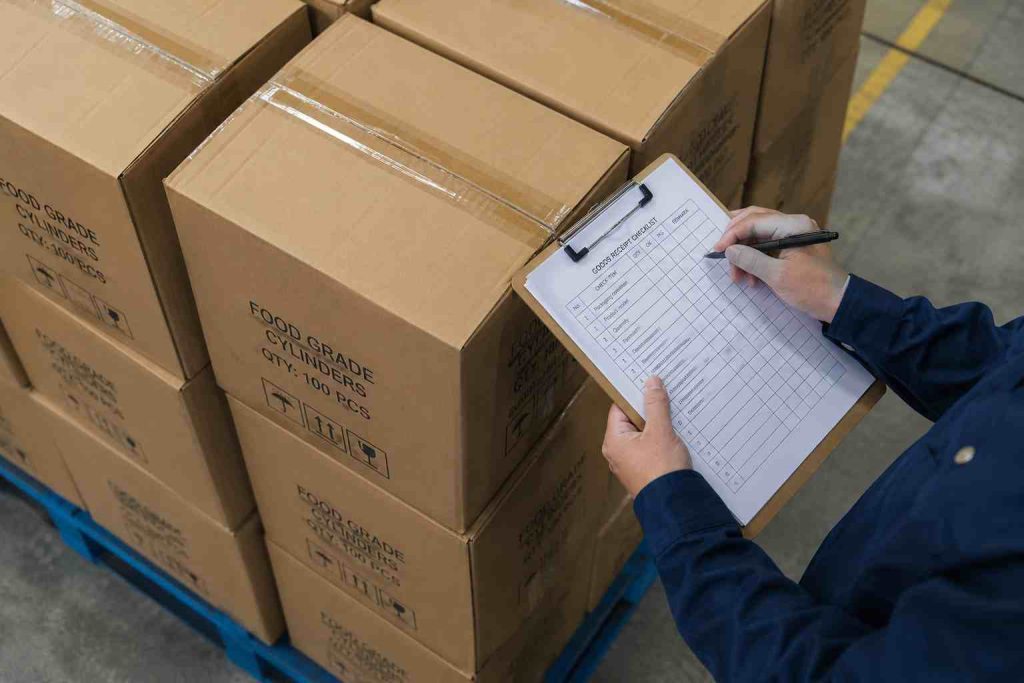
Buy only from suppliers who hand over documentation without being asked twice. Food-grade certification, certificates of analysis, and purity test results should show up as part of a normal order, not something you have to request separately or chase down later. If a supplier is slow or vague about this, take it as a signal.
Keep records of who you’re selling to and why. NSW and Canada already expect this from wholesalers as standard practice, and it’s a sound habit regardless of jurisdiction, it’s also the clearest way to make sure your business isn’t unknowingly becoming a route into the recreational market.
Treat state and provincial rules as separate from national ones. A product cleared nationally in the US or Australia can still run into different labeling requirements, purchase limits, or verification rules once you cross into a specific state. National legality is a starting point, not the full picture.
Market products in a way that matches how they’re actually used. Canadian regulators, among others, have paid close attention to packaging and positioning: a charger branded or flavored to appeal to recreational users chips away at the exemption every food-grade supplier relies on, regardless of what’s actually inside the cylinder. Keeping packaging and marketing tied to culinary use protects that exemption for the whole industry, not just for one supplier’s paperwork.
At Rotass, every batch of N2O ships with full food-grade certification and third-party purity testing. If you’re a distributor or wholesale buyer sourcing into any of the regions above, our wholesale supply team can walk through what paperwork applies to your specific market before you place an order.
*Regulations in this space move quickly, and this guide reflects the situation as of mid-2026. If you’re planning a shipment into a new market, confirm current requirements with local counsel or the relevant regulatory body before finalizing an order.
FAQs
Is it legal to import N2O cream chargers wholesale?
In most major markets, yes, provided the product is food-grade and properly documented. Import rules vary by country, so it’s worth confirming customs classification and any additional import permits required for your specific destination.
Do I need a special license to distribute cream chargers?
Generally no, though some jurisdictions restrict wholesale supply to verified food businesses. Check local requirements before assuming a standard business license is sufficient.
What documentation should I request from a supplier?
At minimum: a certificate of analysis confirming purity, food-grade certification (E942 or equivalent), and if the product ships to Canada or similarly regulated markets, confirmation of DIN-exempt status.
Are food-grade cream chargers affected by recreational nitrous oxide bans?
Not usually, but the exemption has conditions attached. Every major regulatory change covered here protects verified food, medical, or industrial use, the protection depends on the product actually being sold, marketed, and documented as food-grade. Suppliers who meet those conditions stay well outside the scope of these bans.
Contact us now, and we’ll get back to you within minutes.