Share your requirements with Rotass now!
How to Store Cake Overnight Before Frosting?
Baking a cake a day before decorating it can make the preparation process much easier. It gives the cake enough time to cool, allows you to organize the frosting and decorations separately, and leaves more time for assembly the next day. However, storing an unfrosted cake incorrectly can cause it to dry out, lose its texture, or absorb unwanted odors.
So, what is the best way to store cake overnight before frosting? Should you leave it at room temperature, refrigerate it, or freeze it until the next day?
The right method depends on the type of cake, its ingredients, and how long you plan to keep it. Here is what you need to know before preparing your cake layers ahead of time.
Can You Leave a Cake Out Overnight Before Frosting?
Yes. Most plain, unfrosted cakes can be left at room temperature overnight if they have cooled completely and are properly covered. This is often a convenient option when you plan to decorate the cake the following day.
However, there is one important step to take before storing it: let the cake cool completely.
A freshly baked cake still releases heat and moisture as it cools. If you wrap it while it is warm, condensation can collect inside the wrapping and make the surface damp. This may affect the cake’s texture and make it harder to handle when frosting.
Once the cake has cooled, you can wrap it and store it in a suitable container. Keep it in a cool, dry place away from direct sunlight, heat sources, and strong-smelling foods.
Not every cake is suitable for overnight storage at room temperature. Cakes containing perishable fillings, such as custard, cream cheese, or whipped cream, need refrigeration. If your cake recipe includes ingredients that require cold storage, follow the appropriate food safety guidance rather than leaving it on the counter.
How to Store Cake Overnight Before Frosting
If you want your cake layers to stay moist and hold their shape until the next day, proper wrapping and storage are essential. Follow these steps after baking.
1. Let the Cake Cool Completely
Remove the cake from the oven and follow your recipe’s cooling instructions. Most cakes can be left in their pans for a short time before being transferred to a wire rack.
Allow the cake to cool until there is no warmth remaining in the center or around the bottom. Avoid wrapping it immediately after taking it out of the oven.
Cooling the cake completely helps prevent trapped steam from turning into condensation. It also makes the cake less fragile, reducing the chance of damage during wrapping and handling.
2. Wrap the Cake Tightly
Once the cake has cooled, wrap each layer separately with plastic wrap. Make sure the wrapping covers the entire surface without leaving large gaps.
This step helps reduce moisture loss and prevents the cake from absorbing odors from other foods. If you are storing several layers, keeping them separate also makes them easier to handle when you start decorating.
For additional protection, especially if you plan to freeze the cake, you can add a layer of aluminum foil over the plastic wrap.
If you have a cake container with a tight-fitting lid, it can also work well for overnight storage.
3. Choose the Right Storage Method
The best storage method depends on the cake’s ingredients and the temperature of your kitchen.
For most plain cakes, a cool room with a stable temperature is suitable for overnight storage. Keep the wrapped cake away from windows, ovens, and other warm areas.
If your kitchen is particularly warm or humid, refrigeration may be a better choice. This is especially important for cakes with ingredients that need to stay cold.
Avoid leaving an uncovered cake on a plate overnight. Exposure to air can cause the surface to dry out, making it less suitable for smooth frosting and decoration.
Can You Refrigerate Cake Overnight Before Frosting?
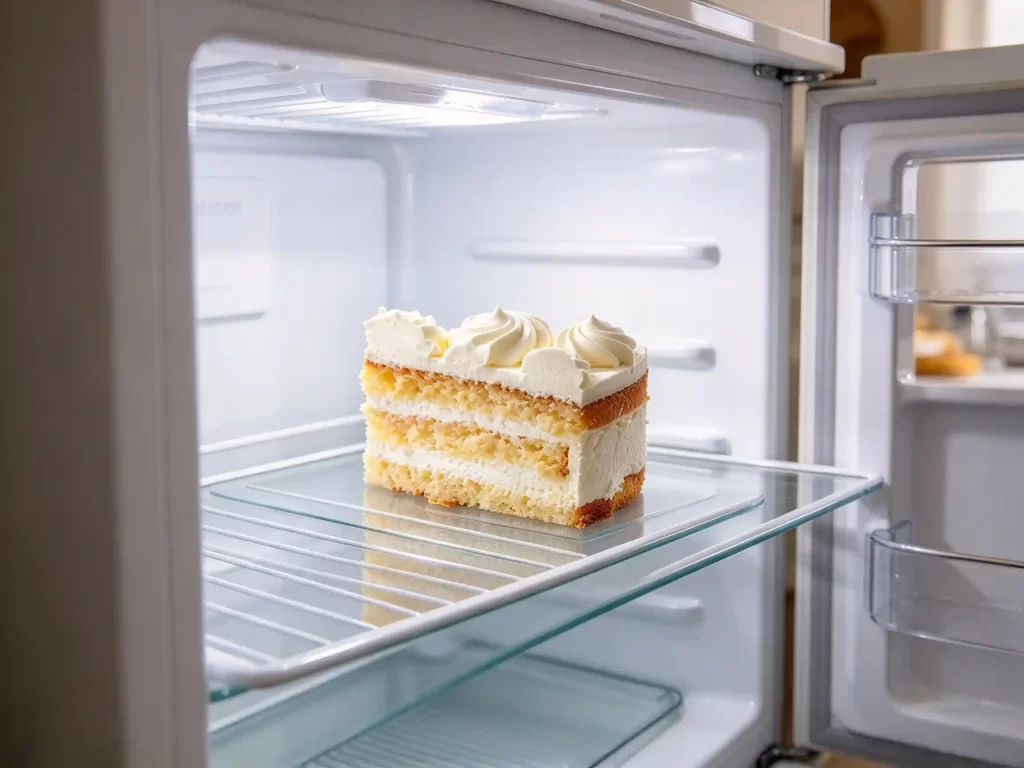
Yes, you can refrigerate an unfrosted cake overnight. In fact, refrigeration is a practical choice when the room temperature is too warm or when the cake contains ingredients that need to remain chilled.
However, refrigeration is not always necessary for a plain cake.
Cold air in the refrigerator can gradually dry out an uncovered cake. To prevent this, wrap the cake tightly in plastic wrap or place it in an airtight container before refrigerating.
When you are ready to frost it the next day, take the cake out of the refrigerator and check its condition. Depending on the recipe, you can let it sit briefly until it is easier to handle. Some bakers also prefer working with slightly chilled cake layers because they are firmer and less likely to break during assembly.
If you are making a layered cake, keeping the layers cool can make trimming, stacking, and applying frosting easier.
Can You Freeze Cake Overnight Before Frosting?
Yes. Freezing is another option if you want to prepare cake layers ahead of time. Even if you only need to store the cake overnight, freezing can be useful when you are working with a tight baking schedule.
Plain cake layers generally freeze well when wrapped properly.
First, make sure the cake has cooled completely. Wrap each layer tightly in plastic wrap, followed by aluminum foil. Place the wrapped layers in a freezer-safe container or bag to protect them from freezer odors and freezer burn.
When you are ready to decorate the cake, allow it to thaw before frosting.
For best results, transfer the wrapped cake to the refrigerator and let it thaw gradually. Depending on its size and thickness, it may need several hours or overnight. Keep the wrapping in place while thawing to help prevent condensation from forming directly on the cake.
Do not apply whipped cream or other frosting while the cake is still frozen solid. Wait until it has thawed sufficiently and the surface is ready for decoration.
Can You Frost a Cake the Next Day?
Yes. You can bake the cake layers one day and frost them the next. This is a common way to save time and make cake preparation easier.
Before frosting, make sure the cake has cooled completely or thawed properly. If there is any moisture on the surface, gently remove it before decorating. You can also use a serrated knife to level the top and trim uneven edges. For layered cakes, chilling the layers briefly can make them easier to stack and handle.
Once the cake is prepared, you can start adding the filling, frosting, and decorations.
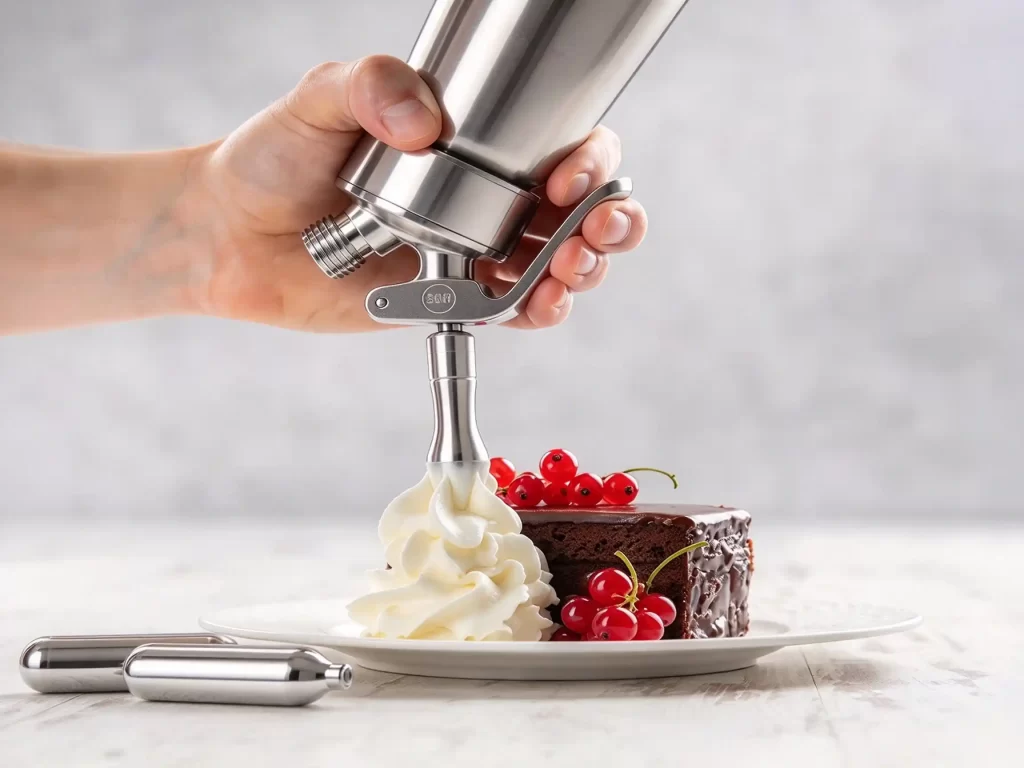
Whipped cream is a popular option for cake decorating. Its light texture makes it suitable for filling between layers, coating the outside, and piping simple decorative patterns.
You can prepare whipped cream using a cream dispenser and N2O cream chargers. The nitrous oxide helps turn liquid cream into light, airy whipped cream that is ready for filling and decorating.
For bakeries, cafés, and dessert businesses, a cream dispenser also makes it convenient to prepare and dispense whipped cream as needed. Follow the manufacturer’s instructions for handling and storing the dispenser and prepared cream.
One important thing to remember is that cakes filled or covered with whipped cream need to be refrigerated. Keep the finished cake in the fridge rather than leaving it at room temperature overnight.
Frequently Asked Questions
1. How Long Can an Unfrosted Cake Sit Out Overnight?
A plain, unfrosted cake can generally stay at room temperature for one night if it is completely cooled, properly wrapped, and kept in a cool environment. However, cakes containing perishable fillings or ingredients need refrigeration. Always consider the recipe and room temperature before choosing where to store the cake.
2. Should I Wrap a Cake Before Refrigerating It Overnight?
Yes. Wrapping the cake with plastic wrap or placing it in an airtight container helps prevent moisture loss and protects it from absorbing odors in the refrigerator. Make sure the cake has cooled completely before wrapping it.
3. Can I Frost a Cake Straight from the Refrigerator?
Yes, in most cases. A chilled cake is usually firmer and easier to handle, particularly when stacking layers or applying a crumb coat. However, if the cake is too cold or has condensation on its surface, allow it to sit briefly before frosting.
4. Will Freezing a Cake Overnight Make It Easier to Frost?
It can. Chilled or partially thawed cake layers are often firmer and less likely to crumble during assembly. However, the cake should not be frozen solid when you apply frosting. Allow it to thaw sufficiently before decorating.
Final Thoughts
For most plain cake layers, room-temperature storage in a cool environment is sufficient for one night. Refrigeration is more suitable when the kitchen is warm or the cake contains perishable ingredients, while freezing offers another option for preparing layers ahead of time. With a little planning, you can prepare the cake in advance and leave the next day for frosting, whipped cream, and decoration.
Contact us now, and we’ll get back to you within minutes.