
Share your requirements with Rotass now!
Can You Make Whipped Cream with Whole Milk?
Can you make whipped cream with whole milk? Not directly, but it’s possible with the right approach.
Whole milk contains around 3.5% fat, which isn’t enough to whip into a stable cream. Whipping cream needs at least 30% fat to trap air and hold its shape. That gap is why whole milk collapses into foam rather than cream when beaten.
The fix is straightforward: add butter, cornstarch, or gelatin to whole milk before whipping. Each method compensates for the missing fat or structure in a different way, and the results are usable for most everyday purposes like toppings, drinks, light desserts. None of them replace heavy cream exactly, but they’re genuinely practical when that’s what you have.
Here’s a closer look at each method and how to get the best results.
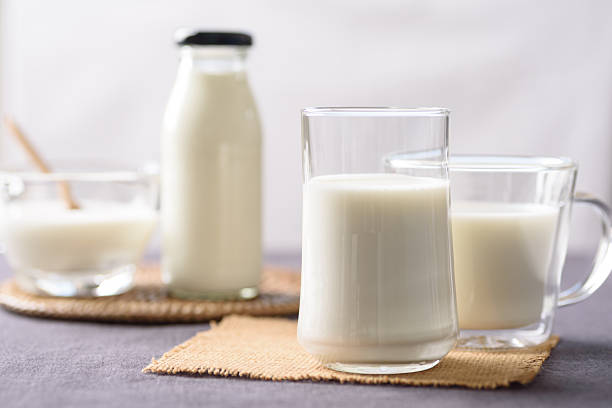
Three Ways to Make Whipped Cream with Whole Milk
Each of the methods below works by increasing the fat content or adding a stabilizing agent, essentially giving the milk what it’s missing. None of them will produce something identical to whipped cream made from heavy cream, but they’re practical substitutes for many uses.
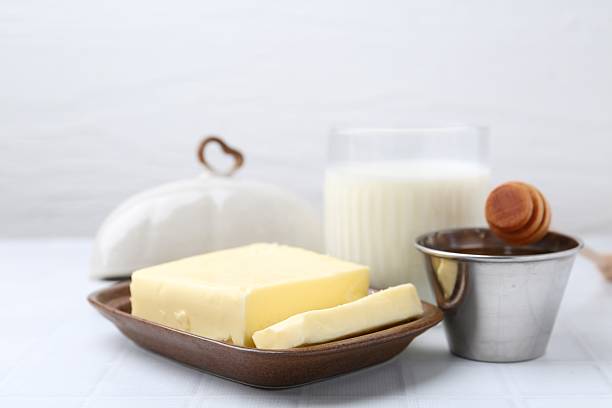
Method 1: Whole Milk + Butter
This is the most effective of the three if you want something rich and close to real whipped cream in texture. Butter is mostly fat, so blending it into milk brings the overall fat content up significantly.
Combine 500ml of whole milk with 100g of unsalted butter in a small saucepan over low heat. Stir until the butter fully melts into the milk, then remove from heat and let the mixture cool completely. Once it’s cold (refrigerating it for at least an hour helps), whip it with an electric mixer until soft peaks form.
The result is a rich, buttery cream substitute that works well for toppings and filling. It doesn’t hold as long as real whipped cream at room temperature, so use it soon after whipping.
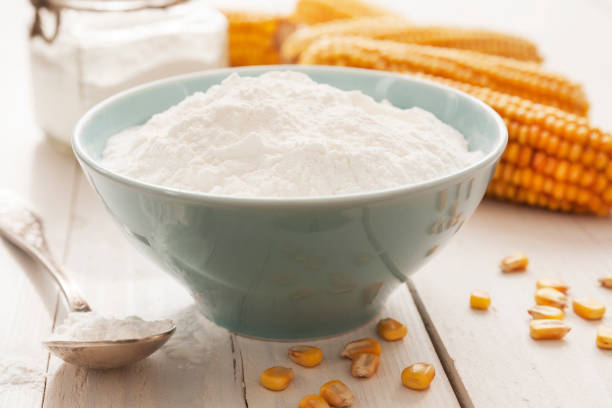
Method 2: Whole Milk + Cornstarch
This method trades richness for lightness. Cornstarch acts as a thickener rather than adding fat, so the end result has a softer, slightly looser texture, but it’s still surprisingly useful for lighter toppings and drinks.
Mix 200ml of whole milk with 15g of cornstarch and 20g of sugar. Heat the mixture over low heat, stirring constantly, until it thickens into a smooth, paste-like consistency. Cool it completely, then whip until fluffy.
One thing to note: the starchy texture is mildly detectable, especially if eaten on its own. Paired with other flavors — coffee, fruit, chocolate — it blends in well enough.
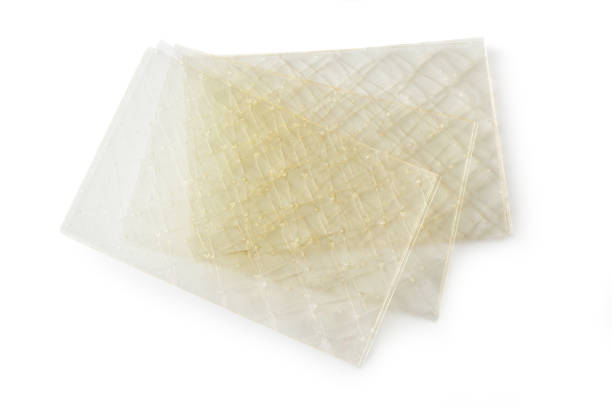
Method 3: Whole Milk + Gelatin
Gelatin is a stabilizer, and in this case it does the structural work that fat normally would. The result has a slightly bouncy, mousse-like quality rather than the soft creaminess of real whipped cream, but it holds its shape longer than the other two methods, which makes it a reasonable choice if you need something that’ll sit on a dessert for a few hours.
Bloom 5g of unflavored gelatin in a tablespoon of cold water, then stir it into 200ml of warmed whole milk until fully dissolved. Let it cool to room temperature, then refrigerate until it’s just starting to set, you want it thickened but not fully firm. Whip it at that point for the best volume.
Can You Put Whole Milk in a Whipped Cream Dispenser?
This is where things get more specific and more relevant if you already own or are considering a whipped cream dispenser.
The direct answer: plain whole milk in a dispenser won’t give you whipped cream. The N₂O charger forces nitrous oxide into the liquid under pressure, but without enough fat to support the gas, the structure collapses the moment it leaves the nozzle. You’d get milk with some foam, not whipped cream.
However, the milk-and-butter mixture from Method 1 above can work in a dispenser, and it actually performs better in a dispenser than it does with a hand mixer. The pressurized environment helps emulsify the fat more evenly and produces a more consistent texture. If you’re going to put in the effort of making a milk-based substitute, using a dispenser is a genuinely better way to finish it.
The same applies to the gelatin method. Once the milk-gelatin mixture is cold and slightly set, charging it in a dispenser with a Rotass N₂O charger produces a stable, smooth output with good volume.
The cornstarch version is less reliable in a dispenser, the paste-like consistency doesn’t flow well through the nozzle.
Which Method Works Best? A Quick Comparison
| Method | Texture | Best Used For | Dispenser-Compatible? |
| Milk + Butter | Rich, smooth | Cake toppings, dessert filling | Yes |
| Milk + Cornstarch | Light, slightly soft | Coffee drinks, light toppings | Not recommended |
| Milk + Gelatin | Bouncy, stable | Plated desserts, longer hold | Yes |
If you want something close to real whipped cream in richness: go with butter. If you need something that holds its shape for presentation: gelatin. If you’re topping a drink and don’t want something too heavy: cornstarch.
Tips for Whipping Whole Milk
Temperature is the biggest variable.
Whipping works better when everything is cold. Chill your bowl, your beaters, and your prepared mixture before you start. A warm mixture makes it significantly harder to get stable peaks.
Don’t over-whip.
These milk-based substitutes are more fragile than real whipped cream, and they can go from properly whipped to grainy or separated quite quickly. Stop as soon as soft peaks form. If you’re using a dispenser, one charge is usually enough, shake gently before dispensing.
Use it soon.
None of these substitutes hold as well as whipped cream made from heavy cream. Refrigerate any leftovers in a sealed container and use within a day. They may weep or lose texture when brought back to room temperature, so whip only what you need.
Your equipment matters less than you’d think.
A hand mixer, a stand mixer, or a dispenser will all work for the butter and gelatin methods. What matters more is the fat content of your mixture and how cold everything is going in.
So, Can You Make Whipped Cream with Regular Milk?
Whole milk on its own can’t be whipped,because the fat content is just too low. But by adding butter, cornstarch, or gelatin, you can create a substitute that works reasonably well for many of the same uses. Each version has its place depending on what you’re making and how much time you have.
If you already use a whipped cream dispenser, the butter and gelatin methods are worth trying with it. The dispenser gives more consistent results than a hand mixer for these types of mixtures, and the whole process is faster. Pair it with a Rotass N₂O cream charger and you get a clean, pressurized whip in seconds — no standing over a mixer and guessing.
For situations where you genuinely need proper whipped cream, heavy cream is still the right choice. But for everyday use, a quick coffee topping, or when the grocery store trip isn’t happening tonight, these methods get the job done.
Contact us now, and we’ll get back to you within minutes.