Share your requirements with Rotass now!
How to Choose CO2 Cartridge Sizes: 8g, 12g and 16g
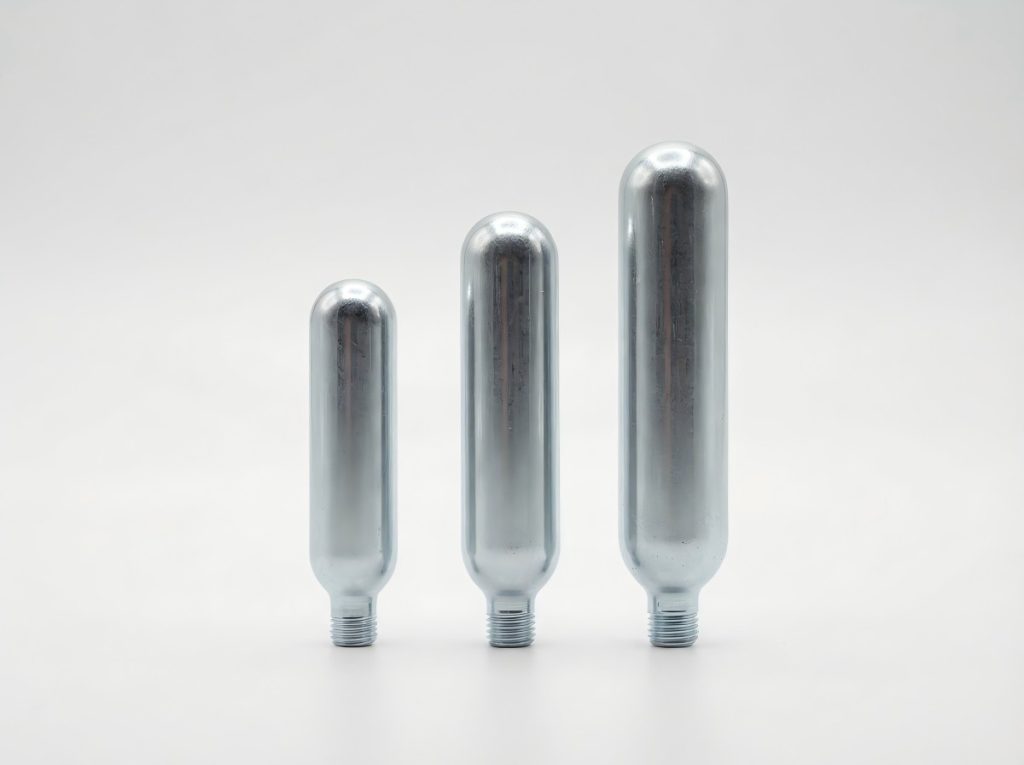
CO2 cartridges come in three standard sizes: 8g, 12g, and 16g, and each one is built for a different job. The right choice depends on your dispenser’s capacity, the pressure it needs to run properly, and how often you’re using it. Get the size wrong and you’ll either waste gas or leave your equipment underpowered. Here’s what separates the three, and how to match one to your setup.
Different Sizes of CO2 Cartridge
| Size | CO2 Capacity | Typical PSI Output | Thread Type | Common Applications |
| 8g | 8 grams | 800–900 PSI | Non-threaded (typically) | Handheld dispensers, portable soda makers |
| 12g | 12 grams | 850–1,000 PSI | Threaded or non-threaded | Mid-size dispensers, home carbonation systems |
| 16g | 16 grams | 1,000–1,200 PSI | Threaded (most common) | Commercial dispensers, high-volume carbonation |
These figures shift slightly depending on the manufacturer and cartridge quality, so it’s worth checking the spec sheet before buying in bulk.
Food Grade CO2 Cartridges: Certification & Safety Standards
Before comparing sizes, there’s one thing that applies across all three: plenty of CO2 cartridges on the market aren’t actually rated for food and beverage use. Food-grade CO2 has to meet purity standards limiting oil residue, moisture, and trace metals. Get those wrong and the gas can throw off the taste of whatever you’re carbonating or dispensing, and in worse cases, introduce contaminants you don’t want anywhere near food.
Cartridges made for food use typically follow standards set by groups like the International Society of Beverage Technologists, or meet FDA food-contact requirements if you’re sourcing in the U.S. When you’re buying for commercial use, ask the supplier for documentation instead of relying on a “food safe” label alone.
8g CO2 Cartridges: Specifications & Applications
The 8g CO2 cartridge is the smallest of the three, and it’s usually the first size people come across. Small enough for handheld dispensers and portable soda makers, and it still delivers enough pressure for a single use or a small batch.
It works well if you’re carbonating a bottle or two, or running a small whipped cream dispenser at home. Where it falls short is volume, you’ll go through them fast if you’re doing repeat batches or anything beyond occasional use. Most 8g cartridges are non-threaded and built for one-time use only. No attaching or detaching from a valve, no reusing and non-refillable.
12g CO2 Cartridges: Specifications & Applications
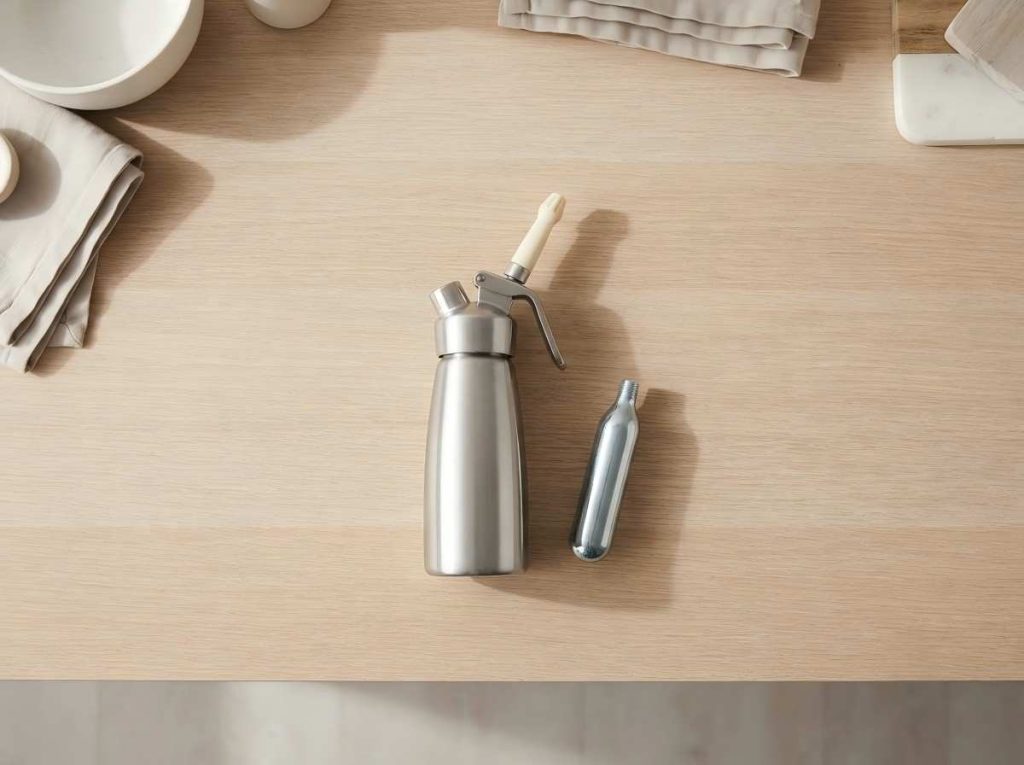
The 12g CO2 cartridge sits in the middle, and it’s a common choice for setups that fall between home use and full commercial operation. It holds enough gas to handle mid-size dispensers without the bulk of a 16g cartridge, which makes it a practical option for cafes, small bars, or anyone running a home carbonation system more than occasionally.
Depending on the cartridge, 12g options come in both threaded and non-threaded versions, so it’s worth confirming which one your equipment takes before ordering. This is also the size where you start seeing more consistency in food-grade certification, since manufacturers producing at this scale tend to have more established quality control processes in place.
16g CO2 Cartridges: Specifications & Applications
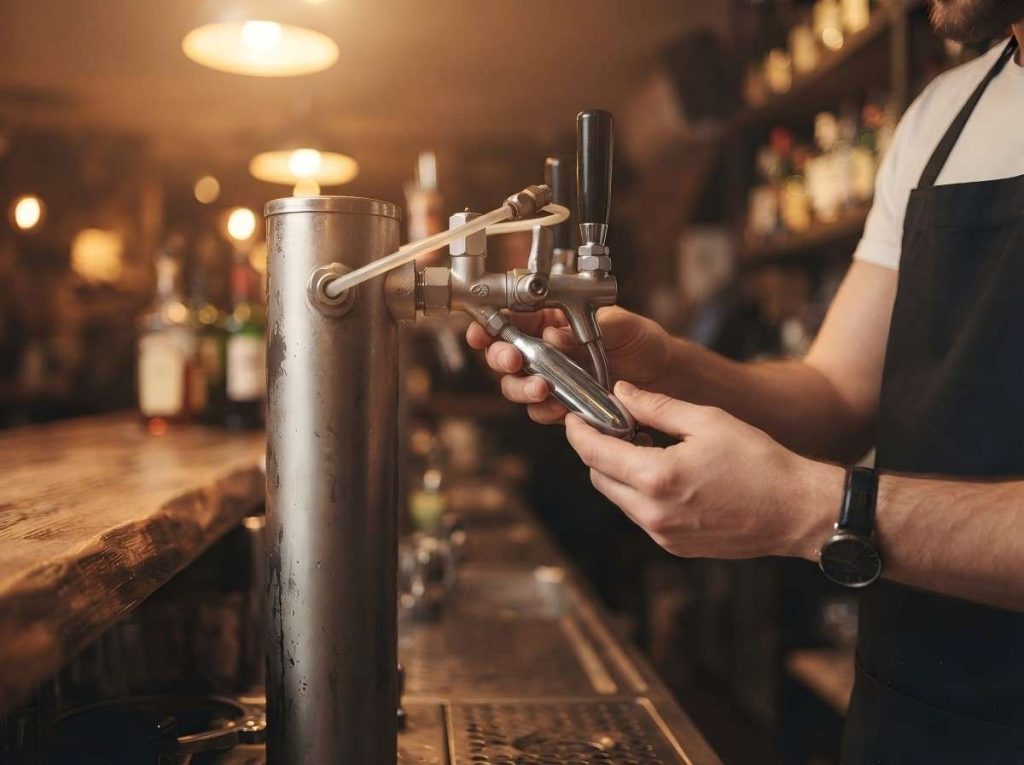
The 16g cartridge is built for higher demand. It delivers more pressure, typically in the 1,000 to 1,200 PSI range, and holds enough gas to keep commercial dispensers running through multiple cycles without constant cartridge changes. This is the size you’ll usually find behind the counter at bars, restaurants, and any operation carbonating in volume.
Most 16g cartridges use a threaded design, which allows them to be screwed into a valve and, in some systems, reused across multiple fills rather than discarded after one use. If you’re not sure whether your equipment takes a threaded or non-threaded cartridge, it’s worth checking compatibility before ordering.
How to Choose the Right CO2 Cartridge Size
The simplest way to narrow it down is by matching cartridge size to dispenser capacity and how often you’re using it:
- Occasional, small-batch use (a single dispenser bottle, personal soda maker): 8g is usually sufficient and avoids paying for gas you won’t use.
- Regular use in a home or small commercial setting (café counter, small bar, frequent home carbonation): 12g balances capacity and cost without oversizing.
- High-volume or commercial operation (restaurant, bar with steady turnover, industrial dispensing): 16g reduces how often cartridges need changing and holds up better under continuous demand.
Beyond volume, check thread compatibility before placing a bulk order. If the cartridge doesn’t fit the valve, you’re stuck with stock you can’t use—and returns on bulk CO2 orders aren’t always guaranteed, so it’s worth confirming fit upfront rather than dealing with it after the shipment arrives.
Frequently Asked Questions
Contact us now, and we’ll get back to you within minutes.