
Why Are Nitrous Oxide Flavor Products On The Market So Different In Taste?

Why Are Nitrous Oxide Flavor Products On The Market So Different In Taste?

Have you ever had such a confusion: you were looking forward to buying strawberries with a Nitrous Oxide flavor, but the whipped cream has a cheap saccharin taste, which is completely different from the fresh fruit puree you bought last time? Or was there a dessert you made that, the moment it took a bite, was spoiled by a strong chemical aftertaste, and even carried a hint of indescribable bitterness? When using nitrous oxide-flavored products, problems such as unstable taste, strong chemical sensation and distorted flavor are like stubborn little monsters, frequently spoiling our culinary experience.

How to Safely Empty a Nitrous Oxide Canister

How to Safely Empty a Nitrous Oxide Canister

Nitrous oxide (N2O), commonly known as laughing gas, is a versatile chemical compound with applications ranging from food production (as a propellant in whipped cream dispensers) and the medical field (as an anesthetic and analgesic) to various industrial processes. It is typically stored and transported in pressurized cylinders or canisters. While generally safe when used as intended, improper handling, especially when emptying these canisters, can pose significant risks. This article outlines the necessary steps and precautions for safely emptying a nitrous oxide canister, emphasizing the importance of adhering to manufacturer guidelines and local regulations.

Nitrous Oxide Flavors: The Sweet Twist Your Whipped Cream Has Been Waiting For

Nitrous Oxide Flavors: The Sweet Twist Your Whipped Cream Has Been Waiting For

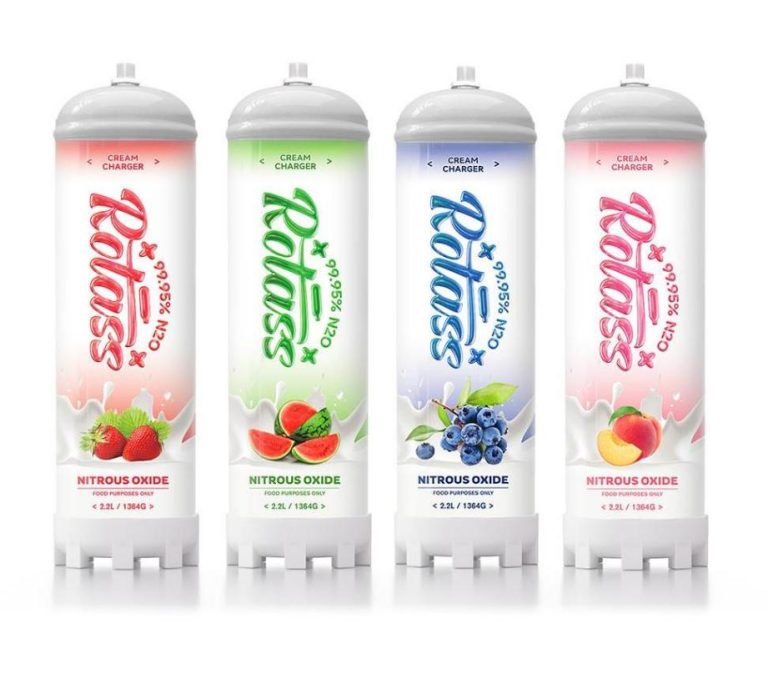
Whipped cream has always been a delightful finishing touch for desserts, drinks, and festive treats. But what if it could be more than just a fluffy topping? Imagine your whipped cream infused with the sweet taste of strawberry, the tart freshness of blueberry, or the juicy zing of watermelon.

E942 Nitrous Oxide Cylinders: China’s Role and the Rise of Flavored

E942 Nitrous Oxide Cylinders: China’s Role and the Rise of Flavored

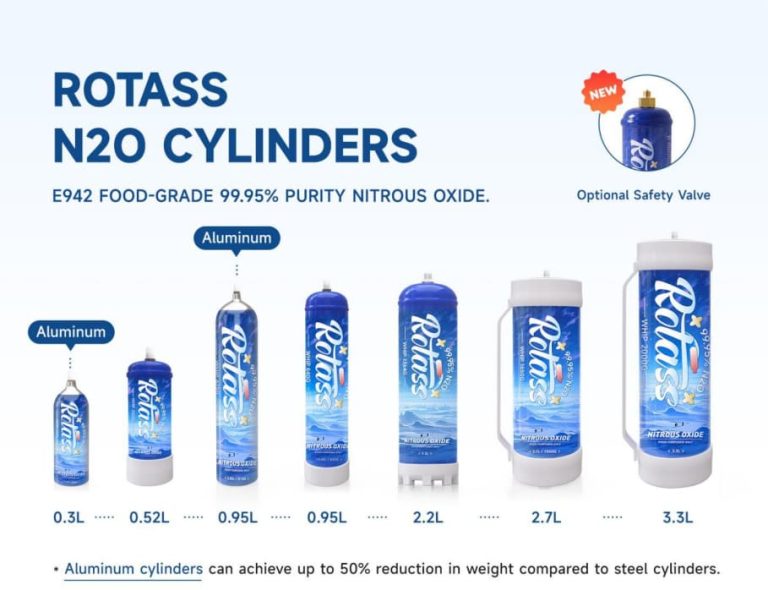
Nitrous oxide (N₂O), also known as laughing gas, has long been used for a wide range of purposes — from medical anesthesia to food-grade whipping agents. In recent years, global interest in food-grade nitrous oxide, particularly labeled as E942, has surged, thanks to the booming culinary, beverage, and hospitality sectors. With this growth, China has emerged as a leading force in the global nitrous oxide supply chain, playing a crucial role in the manufacturing and export of nitrous oxide cylinders, including emerging innovations such as flavored nitrous oxide.

Food Grade Nitrous Oxide vs. Industrial Grade Nitrous Oxide: 6 Key Differences

Food Grade Nitrous Oxide vs. Industrial Grade Nitrous Oxide: 6 Key Differences

Whipped cream is an integral component of many delicious desserts, from cakes and pastries to coffee toppings and fruit parfaits. But achieving its ideal consistency may not always be straightforward; many people experience difficulties while whipping cream, leading to uneven textures or stability issues that compromise its effectiveness.

China Nitrous Oxide: A Guide to Purchasing, Storing, and Transporting

China Nitrous Oxide: A Guide to Purchasing, Storing, and Transporting

Nitrous oxide (N₂O), commonly known as “laughing gas,” is a colorless, non-flammable gas with a slightly sweet smell. It has a wide range of applications in various industries, including medical anesthesia, food processing (such as whipped cream production), and industrial use. Despite its legitimate uses, N₂O is classified as a hazardous chemical due to its oxidizing properties and potential risks if misused.

China Nitrous Oxide Canister Applications and Its Market Landscape

China Nitrous Oxide Canister Applications and Its Market Landscape

In the contemporary food industry, particularly within the realms of desserts and beverages, N2O (nitrous oxide) canisters and cream whippers have emerged as indispensable tools. They provide an efficient and convenient method for transforming cream into a delicate, airy foam, enhancing the texture and visual appeal of a wide array of culinary creations.