2026 / 08 / 28
How to Properly Recycle Your Used N₂O Cream Chargers?
Table of Contents
N₂O cream chargers are commonly used to make whipped cream and infuse flavors into foods and beverages. Once a charger is empty, it should be disposed of properly to ensure the metal container is handled safely and responsibly.
Whether you are using standard 8g cream chargers or larger nitrous oxide cylinders, the recycling process depends on whether the container is completely empty and on the requirements of your local recycling facility. In this guide, we’ll explain how to properly recycle used N₂O cream chargers and what to consider when disposing of larger nitrous oxide cylinders.
What Are N₂O Cream Chargers Made Of?
N₂O cream chargers, both the 8g canisters and the larger 580g and 2000g nitrous oxide cylinders, are made from stainless steel. This choice is due to the material’s compressive strength and durability, allowing the containers to safely hold pressurized nitrous oxide.
Inside the cartridge is medical or food-grade nitrous oxide, and the charger is sealed with a narrow tip or valve that is punctured during use to release the gas. After the gas is released, the charger or cylinder becomes an empty steel shell—but this doesn’t mean it should be tossed in your household trash.
Are N₂O Chargers Recyclable?
The answer is yes, nitrous oxide cream charger and cylinders are recyclable—but only if completely empty. N₂O cream chargers are made of high grade stainless steel and thus, these chargers are classified as metal waste and can be taken to any metal recycling center.
However, in most places these chargers can’t be thrown into household recyclables. The main issue is safety: residual N₂O nitrous oxide gas greatly increases the odds of a charger exploding during the shredding phase. Subsequently, there is the risk of damaging equipment, endangering workers, or both. In addition, countless recycling centers don’t have the means to guarantee whether a cartridge is empty or not.
For this reason, ensuring the complete absence of gas becomes the most important factor, as it eliminates all risks of detonation. Only in that case the charger is safe to recycle. Moreover, any plastic caps or stickers disposed of should be treated with local disposal regulations.
What to Do With Unused or Partially Used Chargers
Unused or partially used chargers should be handled differently from empty ones. They may still contain pressurized nitrous oxide, so they should not be placed in regular trash or curbside recycling. A charger that still contains gas can be damaged during collection or processing and create a safety risk.
In many areas, pressurized gas containers are handled through local hazardous waste programs. The safest option is to:
- Do not puncture, cut, crush, or otherwise try to empty the charger yourself. Releasing the remaining gas this way can be dangerous.
- Check with your local hazardous waste facility to find out how these chargers should be disposed of. Some areas offer household hazardous waste drop-off sites or scheduled collection events.
- Ask the manufacturer or supplier whether they have a return or take-back program for unused chargers.
If you are unsure how to dispose of a charger that still contains gas, keep it intact and check with a local waste facility before putting it in any waste or recycling container.
Step-by-Step: How to Recycle Used N₂O Cream Chargers
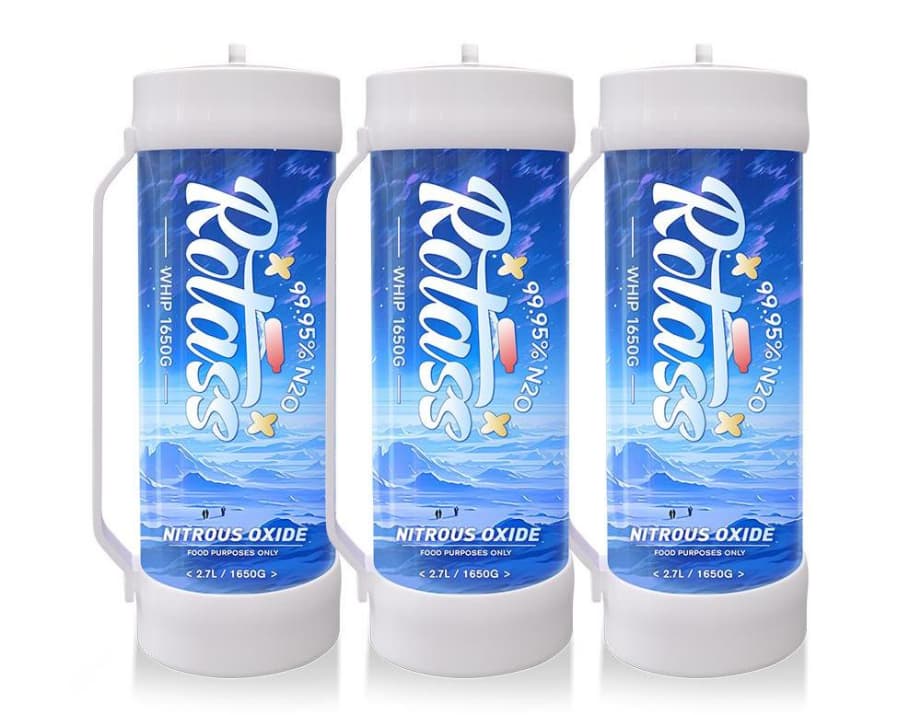
If you’re an eco-conscious user of whipped cream dispensers or soda-making machines, here’s how to safely and responsibly recycle your used nitrous oxide cream chargers:
Ensure They Are Completely Empty
Before recycling, make sure the charger is completely empty. For standard 8g chargers, use the charger as intended with a compatible dispenser so the N₂O is discharged during normal use.
For larger N₂O cylinders, follow the cylinder manufacturer’s instructions for emptying and disposal. Do not cut, drill, crush, or puncture a cylinder to release any remaining gas.
Collect Used Chargers Separately
Designate a container for your used N₂O cartridges or nitrous oxide cylinders. This makes it easier to bring them to a recycling point once you have accumulated a batch.
Contact Local Recycling Centers
Reach out to your local metal recycling or waste management facility to ask:
- Do they accept pressurized containers?
- Are N₂O cartridges or nitrous oxide cylinders accepted?
- Do they have specific drop-off instructions?
- Some scrap yards and recycling centers specialize in handling small gas cartridges and will gladly accept them.
Look for Manufacturer Take-Back Programs
Some brands or N₂O gas suppliers offer take-back or recycling programs for their larger cylinders, such as 580g or 2000g tanks. These programs may include:
- Free return labels.
- Scheduled pickup services.
- Deposit or credit toward your next purchase.
- Using these manufacturer programs ensures the chargers are safely processed and kept out of landfills.
Reuse Creatively
While not a replacement for recycling, some DIY enthusiasts repurpose empty steel chargers into creative projects like:
- Mini plant pots.
- Art installations.
- Furniture accents.
If you’re the artistic type, this could be another way to reduce waste.
Can You Recycle Large 2000g N₂O Cylinders?
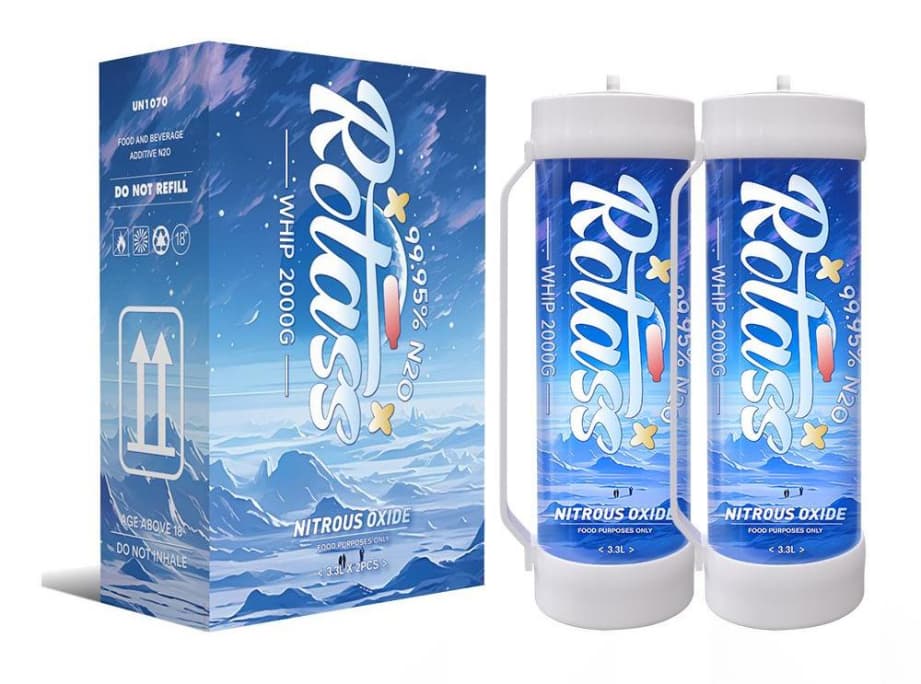
Yes, the cylinders are recyclable, but unlike the small 8g cream chargers, their size and gas volume requires a different protocol for processing.
Additional Relevant Information:
- Safety Procedures: Always ensure that before any attempt to recycle the 2000g N₂O cylinder, it is completely devoid of contents.
- Do Not Dismantle: Never attempt to open or cut into the cylinder yourself. This is both dangerous and unnecessary for recycling.
- Contact the Supplier: Primarily, these cylinders are sold by professional suppliers who may provide return, refill, or recycling options.
- Certified Scrap Yards: These larger tanks should be brought to a certified scrap metal yard which is equipped to deal with pressurized or formerly pressurized containers.
- Important Note: In some jurisdictions, there are restrictions or regulations regarding the recycling of gas cylinders, especially for larger sizes. Be aware of your local regulations.
Why Recycling N₂O Chargers and Cylinders Matters
Used N₂O chargers are usually discarded by most consumers without knowing the impact on the environment. The following are reasons why recycling is necessary:
- Reduces landfill waste: Steel does not decompose for centuries and can leak poisonous residues.
- Saves energy: Recycling metal takes a fraction of energy compared to producing new metal from ore.·
- Conserves resources: Steel can be recycled numerous times without compromising quality.·
- Encourages eco-friendly N₂O consumption: While nitrous oxide consumption increases in the culinary, recreational, and industrial contexts, so does the demand for proper disposal.
What NOT to Do With Used N₂O Chargers
Used N₂O chargers may look harmless once the gas has been released, but they can still cause problems during collection and recycling if they are handled incorrectly. In one European recycling facility, chargers that appeared to be empty ended up in a metal waste batch and contributed to a localized explosion, damaging equipment and putting workers at risk. This is one reason some recycling facilities do not accept cream chargers at all.
When disposing of used chargers, avoid the following:
- Do not put them in your household recycling bin unless your local recycling facility specifically accepts N₂O chargers.
- Do not puncture, cut, crush, or drill into a charger yourself. Even a used charger may still contain residual pressure.
- Do not burn chargers or expose them to high temperatures. Heat can increase the pressure inside the container.
- Do not store large numbers of used chargers near heat sources or in enclosed areas. Keep them in a cool, dry, well-ventilated place until they can be properly disposed of.
- Do not assume a charger is completely empty just because it feels light or makes no sound when shaken. If you are unsure whether it still contains gas, handle it as a pressurized container and follow your local disposal guidance.
Conclusion
N₂O cream chargers and nitrous oxide cylinders are made from recyclable stainless steel, but they should not be placed into a recycling stream while they still contain gas. The container needs to be fully depressurized first. After that, the appropriate disposal method depends on where you live, the size and type of the cylinder, and the requirements of your local recycling or waste facility.
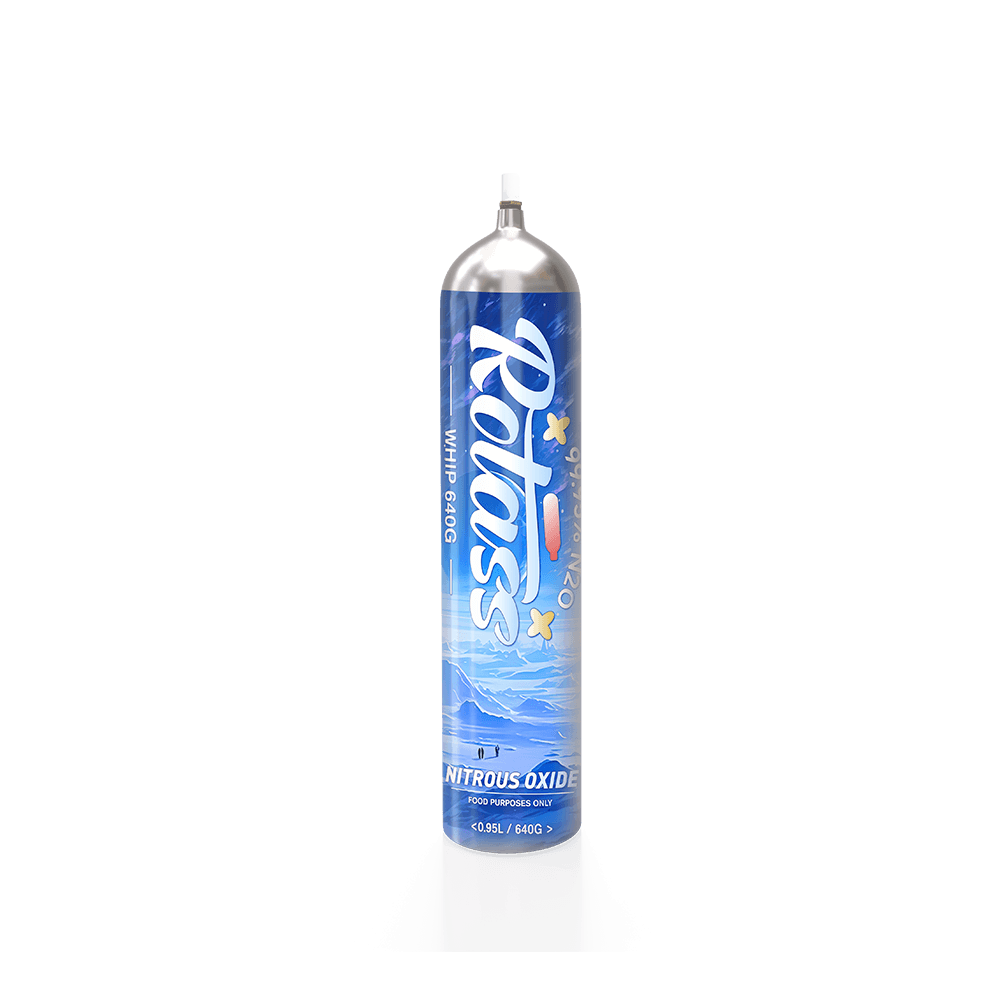
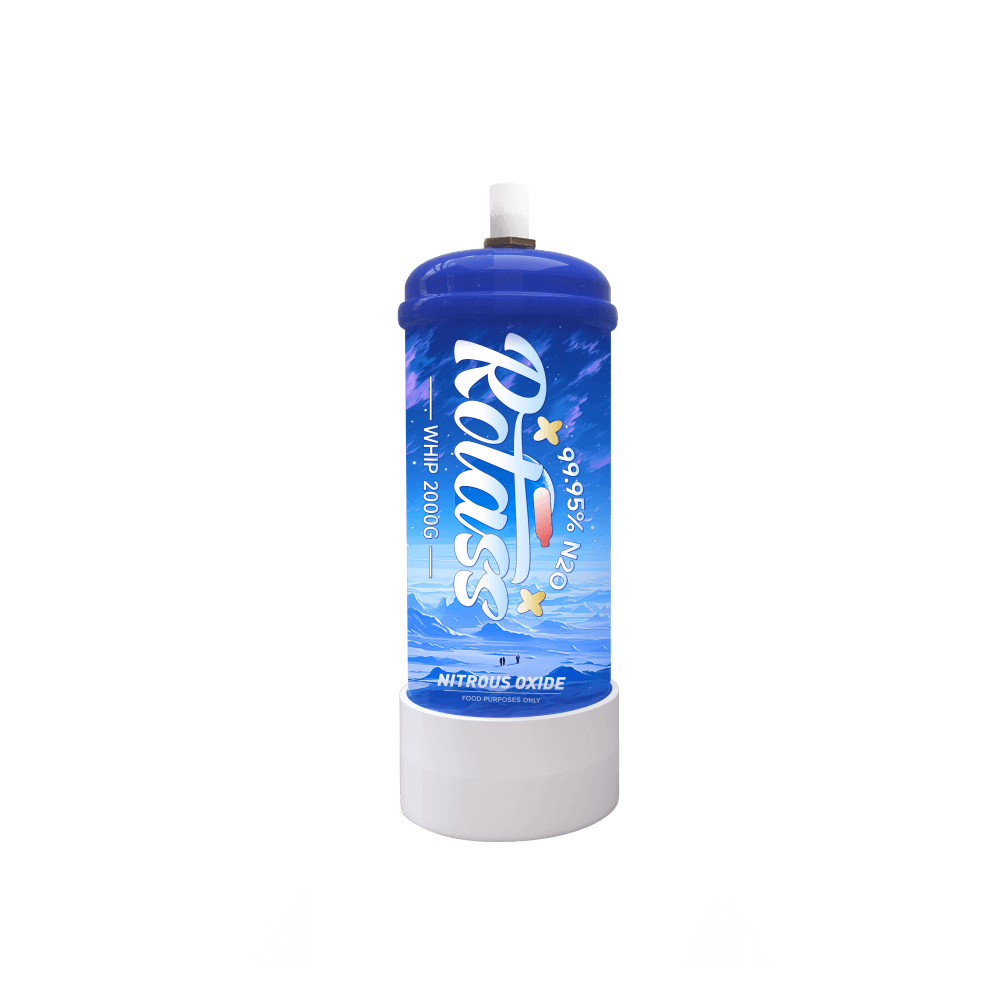
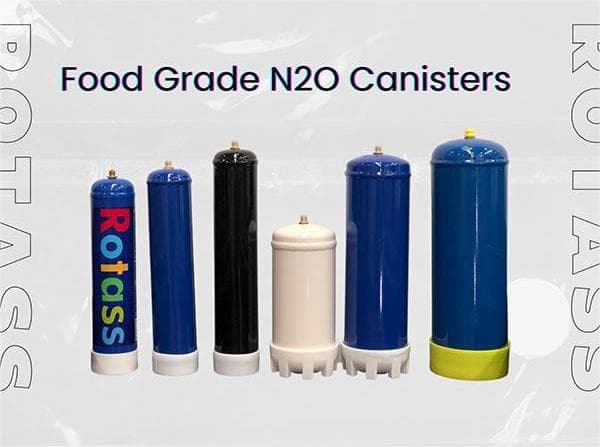
For kitchens and commercial operations that use N₂O regularly, ROTASS provides food-grade N₂O cylinders in different sizes, including the compact 200g aluminum cylinder and larger 3000g steel cylinder. The cylinders are made from recyclable materials and can be sent through the appropriate recycling or disposal channel once they are empty and handled according to local requirements.