8g N2O Cream Chargers: The Complete Guide to Culinary Uses
Table of Contents
If you’ve ever used a whipped cream dispenser, you’ve already worked with an 8g N2O cream charger even if you didn’t know it by that name. These small metal cartridges are a standard tool in kitchens around the world, from home bakers to professional pastry chefs. But what exactly are they, how do they work, and what can you actually do with them beyond a dollop of whipped cream?
This guide covers all of that, with a focus on real culinary applications.
What Is an 8g N2O Cream Charger?
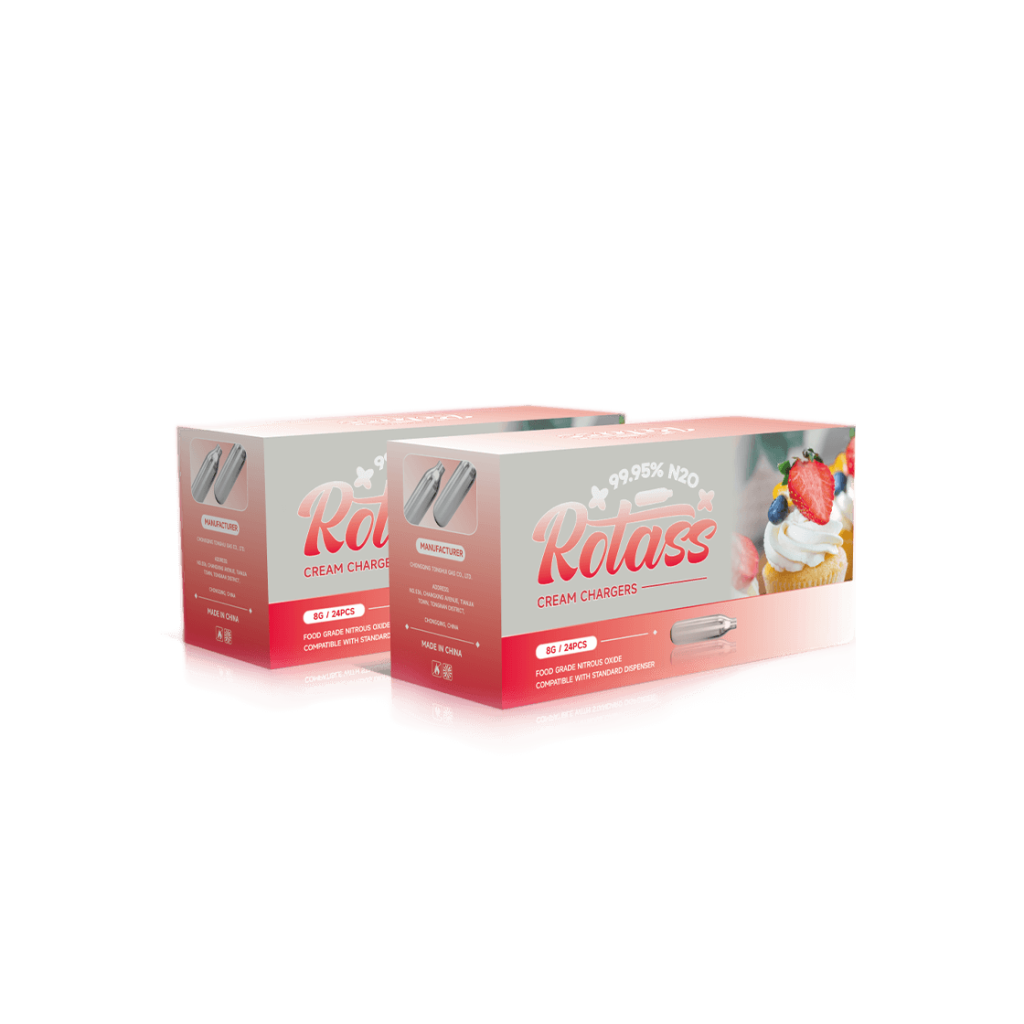
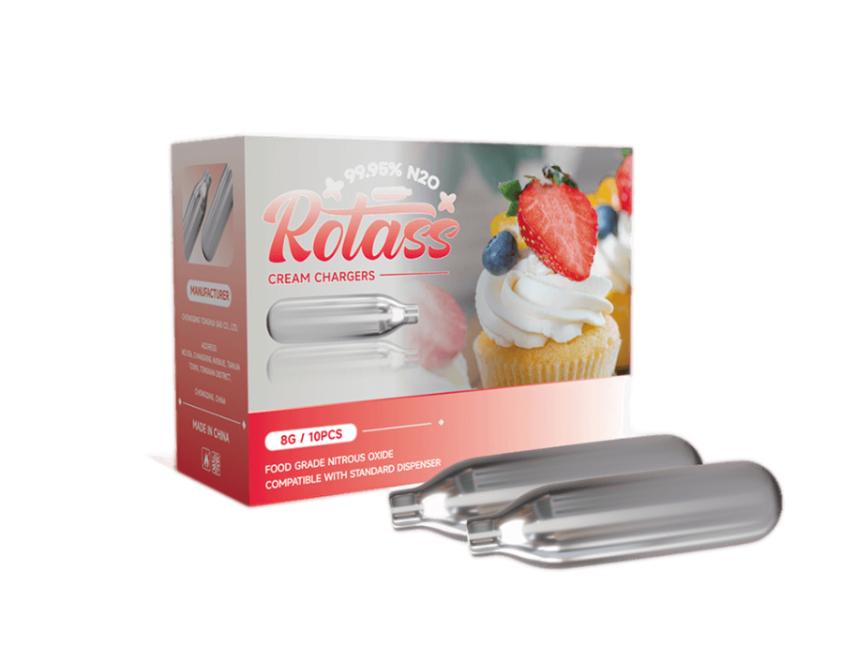
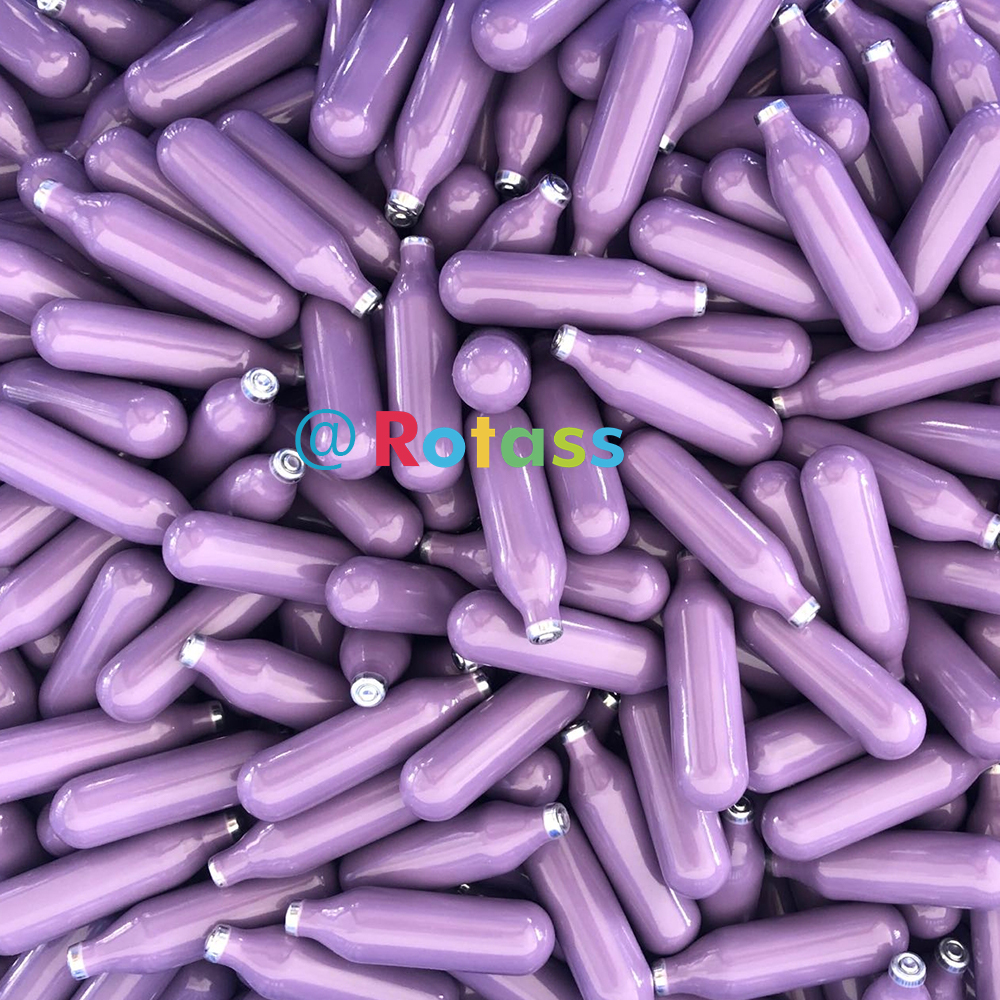
An 8g N2O cream charger is a small, single-use steel cartridge filled with 8 grams of nitrous oxide (N2O) gas under high pressure. The “8g” refers to the net weight of the gas inside not the cartridge itself, which typically weighs around 40–45g.
The gas used in culinary chargers is food-grade N2O, which means it meets purity standards for direct food contact. This is different from industrial-grade nitrous oxide, which can contain contaminants. When buying cream chargers, food-grade purity (typically 99.9%+) is worth checking, especially if you’re sourcing from less familiar brands.
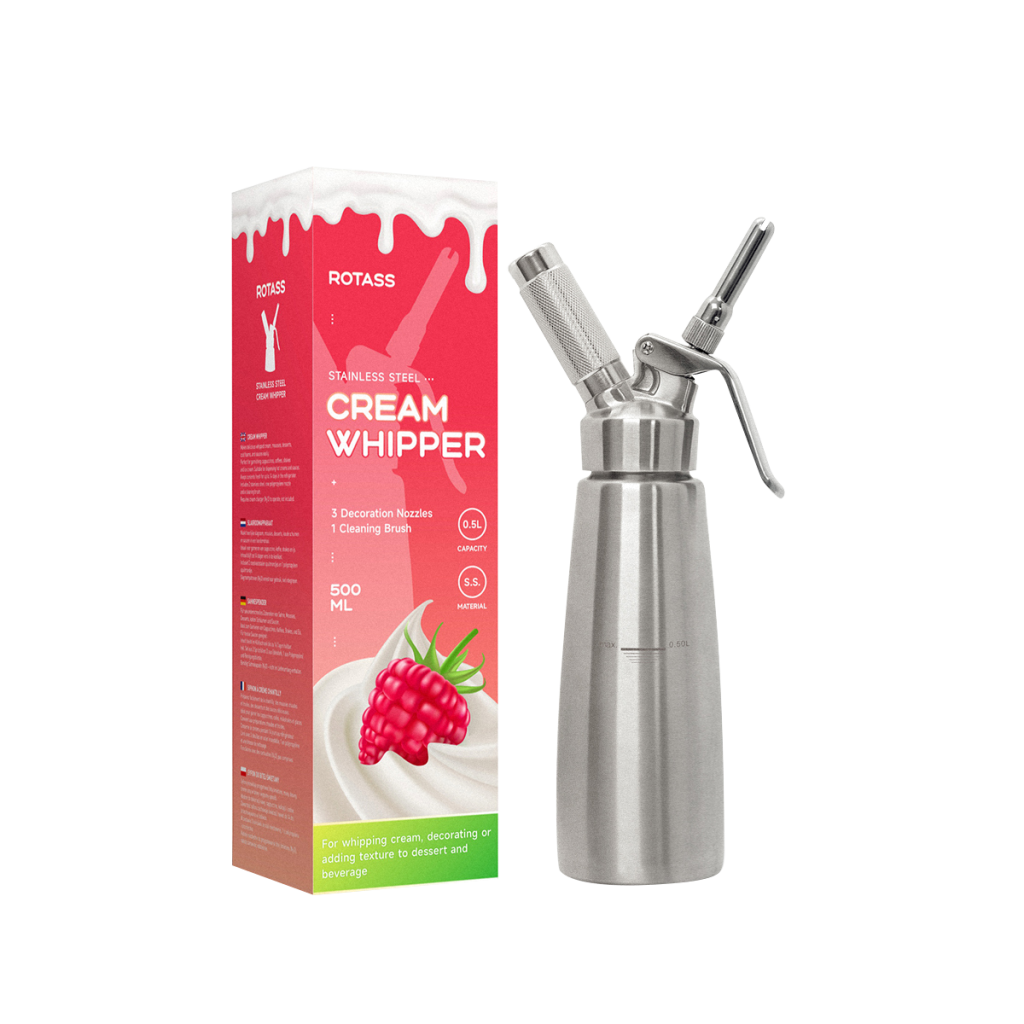
The cartridges are designed to be used with a cream dispenser, also called a whipped cream siphon. The dispenser has a built-in pin that punctures the cartridge seal when you screw it in, releasing the gas into the canister.
How Does 8g N2O Cream Charger Work?
Here’s the short version: nitrous oxide dissolves into fat under pressure.
When you charge a dispenser filled with heavy cream, the N2O absorbs into the fat molecules. The moment you press the nozzle and release that pressure, the dissolved gas expands rapidly and that expansion is what creates the light, airy texture of whipped cream.
The same principle applies to foams, infusions, and other techniques covered below. The gas doesn’t add any flavor on its own, it changes the texture and structure of whatever liquid you’re working with.
Related reading: How To Use 8g Cream Charger With Nitrous Oxide?
5 Culinary Uses of 8g N2O Cream Chargers
Most people think of whipped cream first, but that’s just the starting point. Here’s where 8g chargers actually show up in professional and home kitchens.
1. Whipped Cream
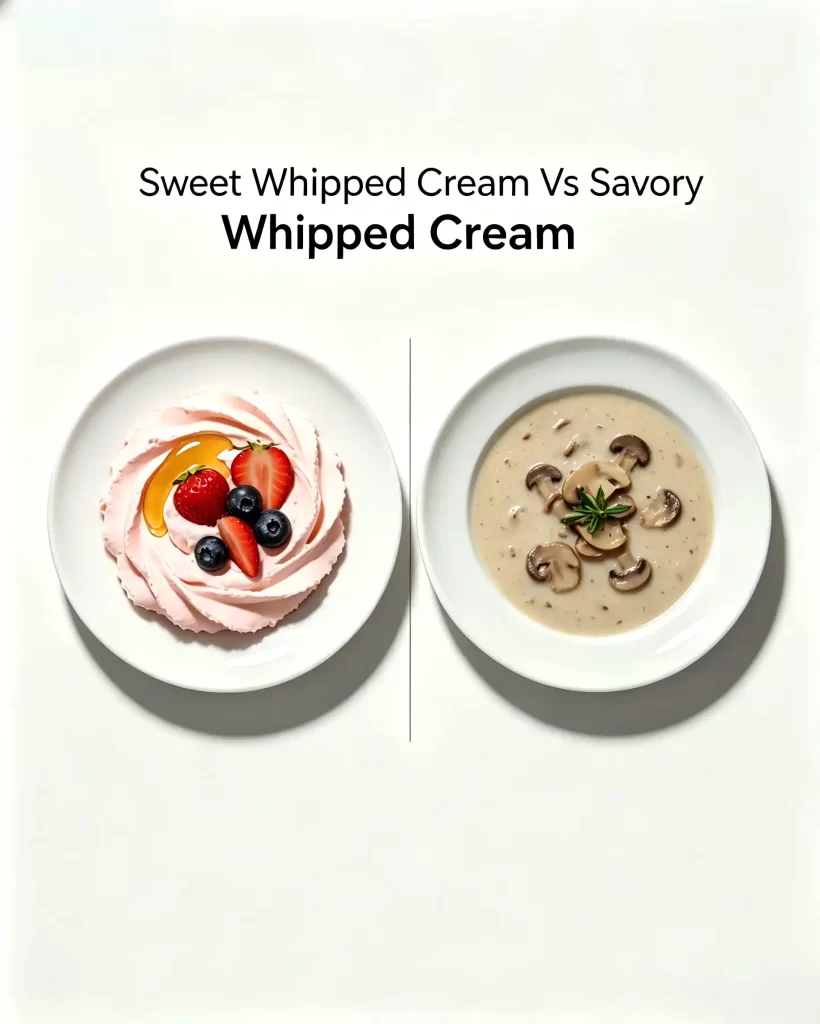
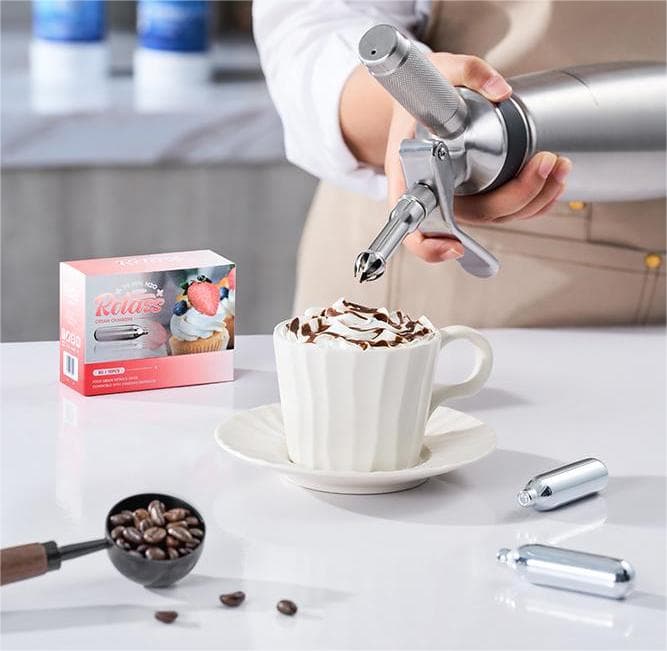
This is the most straightforward use. Pour cold heavy cream (at least 33% fat content) into your dispenser, add any sweetener or flavoring, charge with one 8g cartridge, shake 3–4 times, and you’re ready to go.
A standard 0.5L dispenser needs one charger. A 1L dispenser works best with two. The cream should be cold, ideally refrigerated for at least a few hours, because warm cream doesn’t hold the gas as well and produces a looser, less stable texture.
One thing worth noting: whipped cream made this way holds its shape longer than hand-whipped cream, which makes it a better option for plating desserts or prepping ahead of a busy service.
2. Culinary Foams
Foams became a fixture in modern restaurant menus for a practical reason, they add texture and flavor without adding weight to a dish. With an N2O charger, you can make stable foams from almost any liquid: fruit juices, vegetable stocks, herb oils, or even cheese sauces.
The key factor is fat or protein content. Pure water-based liquids don’t hold foam structure well on their own, so most recipes call for adding a small amount of lecithin, cream, or egg white to stabilize the result. Once your liquid is ready, the process is identical to making whipped cream: charge, shake, dispense.
A parmesan foam on pasta or a tomato foam on a cocktail are familiar examples, but the range of applications is wide once you understand the basic technique.
3. Rapid Flavor Infusions
This is one of the more surprising applications of a cream charger, and it’s become especially common in bars and craft cocktail programs.
Normally, infusing a spirit with herbs, fruit, or spices takes days. Under pressure, the process compresses into under two minutes. The pressurized gas forces liquid into the cellular structure of the ingredient, pulling out flavor compounds quickly when the pressure is released.
A simple example: add fresh mint and vodka to your dispenser, charge with one cartridge, wait 60 seconds, then release the pressure slowly through a strainer. The result is a cleanly flavored infused spirit without the wait. For those who want to go deeper into the technique, Serious Eats has a thorough guide on rapid infusions that’s worth reading.
4. Nitro Cold Brew Coffee
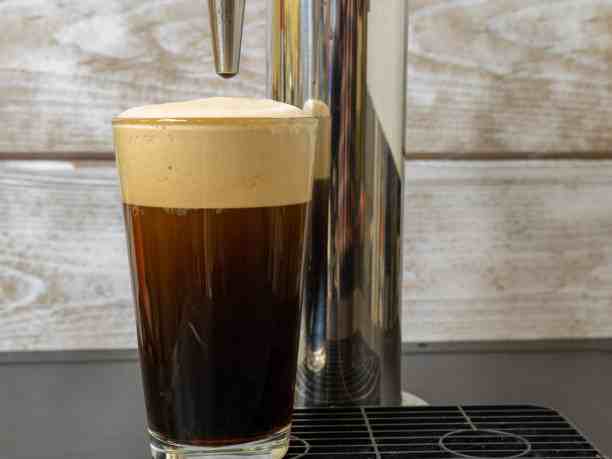
Cold brew charged with nitrogen has become a mainstream café offering, but you don’t need a commercial tap system to make it. An N2O cream charger gives cold brew that characteristic smooth, slightly creamy mouthfeel without adding any dairy.
The process is simple: add cold brew concentrate to your dispenser, charge, shake, and dispense over ice. The result isn’t identical to a full commercial nitro system, but it’s a practical option for home use or for small cafés that want to offer nitro cold brew without a significant equipment investment. According to the Specialty Coffee Association, nitrogen-charged cold brew has seen consistent growth in specialty coffee menus, making it a relevant addition to any café’s offering.
5. Carbonated Fruits and Desserts
Less common, but genuinely effective for special menus or events. When you charge a dispenser containing cut fruit — strawberries, melon, or citrus segments — the N2O infuses a subtle effervescence into the cells of the fruit. The result is a slightly fizzy, fresh texture that works well as a garnish or a palate cleanser between courses.
The same approach applies to light mousses and chilled soups, where the gas adds aeration that makes the final texture noticeably lighter without changing the flavor.
8g Cartridges vs. Large N2O Cylinders: What’s the Difference?
If you’re using chargers on a regular basis, the format you choose makes a practical difference in both cost and convenience.
An 8g cartridge is designed for single use, one cartridge per dispenser charge, disposed of after use. It works well for home kitchens and lower-volume settings where whipped cream or foams are occasional rather than constant.
A large N2O cylinder such as a 580g or 615g canister connects to your dispenser via a regulator and provides the equivalent of roughly 70–75 standard charges. For any professional kitchen or café going through more than a box of cartridges per week, the per-unit cost difference adds up quickly.
If you’re looking to bulk order or explore larger-format options for higher-volume use, the Rotass cream charger range covers both 8g cartridges and bulk cylinder options.
Food grade · Recyclable steel · OEM · Local delivery
Safety & Storage
Food-grade N2O is safe for culinary use when handled correctly. A few straightforward points to keep in mind:
Store cartridges in a cool, dry place, away from direct sunlight and heat sources. Elevated temperatures can increase internal pressure beyond safe limits.
Always use chargers with compatible, purpose-built equipment. Do not attempt to puncture a cartridge outside of a proper dispenser.
Check that the chargers you’re buying carry a food-grade certification. Reputable suppliers, including Rotass, list purity levels and relevant certifications on their product pages.
Once empty, steel cartridges are recyclable through standard metal recycling programs. The European Aluminium association notes that steel and aluminum packaging is among the most recyclable materials in the food industry.
FAQ
How much whipped cream does one 8g charger make?
One 8g cartridge is suited for a 0.5L (1 pint) dispenser. It will produce approximately 0.5L of finished whipped cream from that volume of liquid cream.
Are 8g cream chargers compatible with all dispensers?
Most standard cream dispensers use a universal thread size and are compatible with 8g chargers from any brand. If you’re using a proprietary dispenser, check the manufacturer’s specifications first.
Do 8g cream chargers expire?
The gas doesn’t expire, but the cartridge seal can degrade over time. Most manufacturers recommend using chargers within 3–5 years of production and storing them properly in the meantime.
What’s the difference between N2O and CO2 chargers?
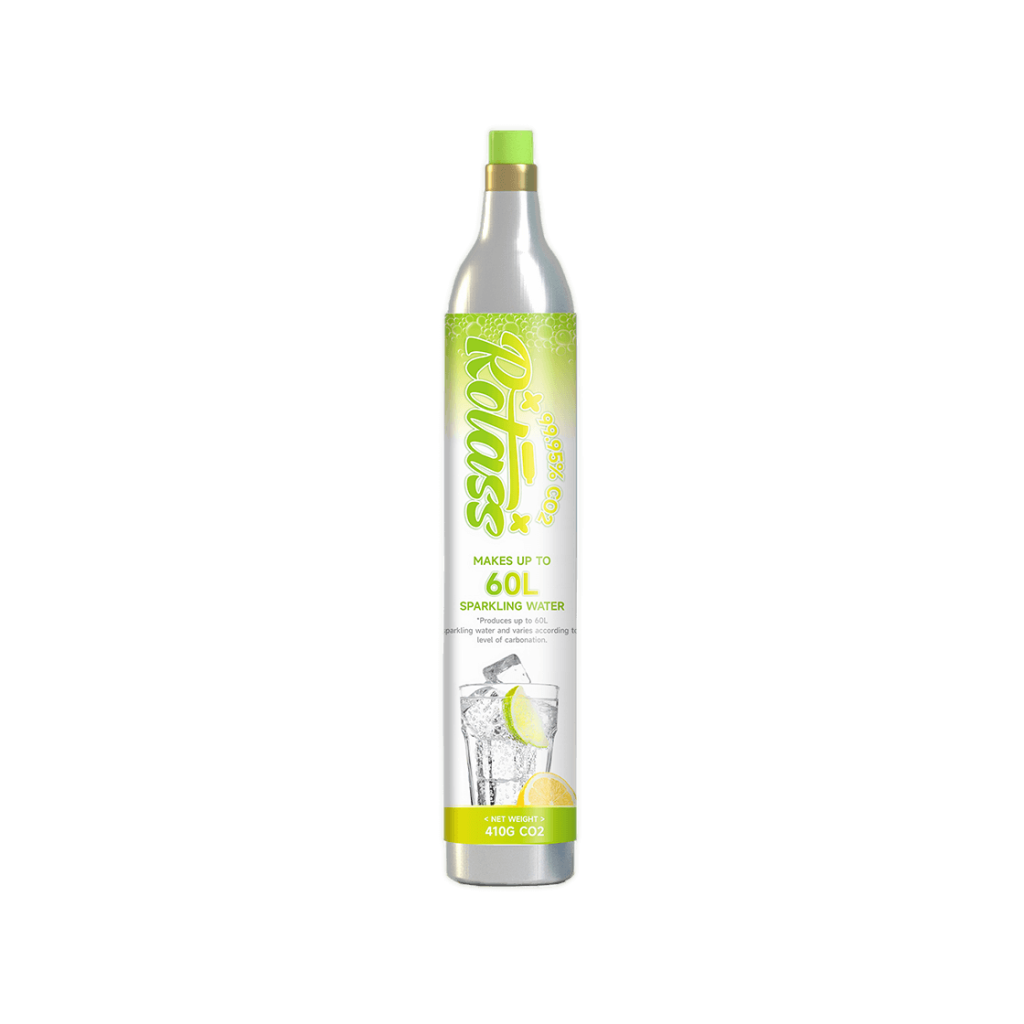
CO2 chargers are used for carbonation — sparkling water, sodas, beer. N2O is used for aeration and whipping. They are not interchangeable and should not be substituted for one another.
How do I know if a charger is food-grade?
Look for food contact compliance on the packaging — EU Regulation (EC) No 1935/2004, FDA food contact compliance, or an equivalent certification depending on your region. A stated purity of 99.9% or higher is also a reliable indicator.