2026 / 02 / 26
What Is the Best Way to Keep Sparking Water From Going Flat? 5 Simple Tips For You
Table of Contents
Few things are more disappointing than opening a bottle of sparkling water to discover that the bubbles have nearly vanished. The process of carbonation loss occurs when you use a home soda maker or keep a purchased soda bottle in your refrigerator.
The good news is that flat sparkling water is rarely a mystery. Once you understand why carbonation escapes, it becomes much easier to preserve it. We will first explain the science of bubbles before we present the effective methods that will lead to positive results.
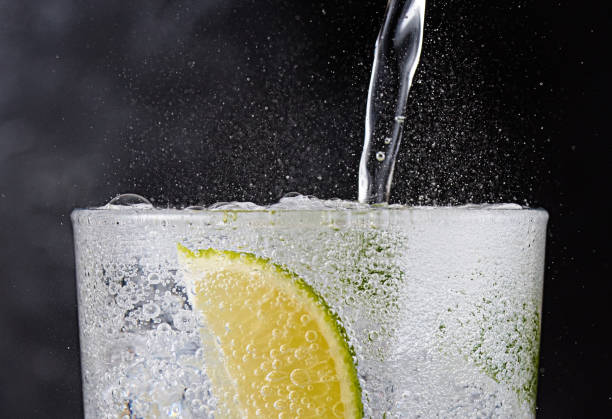
Why Does Carbonated Water Go Flat in the First Place?
Carbonated water contains dissolved carbon dioxide (CO₂) that exists in solution because of the pressure which maintains its presence. The bottle maintains gas dissolution because the internal pressure of the bottle keeps the gas dissolved in the liquid until the bottle is opened. When you open the container, the pressure reduction causes CO₂ to escape the liquid in the form of bubbles.
The system loses gas through its exit until it reaches equilibrium because pressure reduction happens when a bottle gets opened. The solubility of gases decreases at higher temperatures because warm sparkling water loses its carbonation faster than cold water.
In simple terms:
- Lower pressure = more gas escapes
- Higher temperature = less gas stays dissolved
- More exposure to air = faster carbonation loss
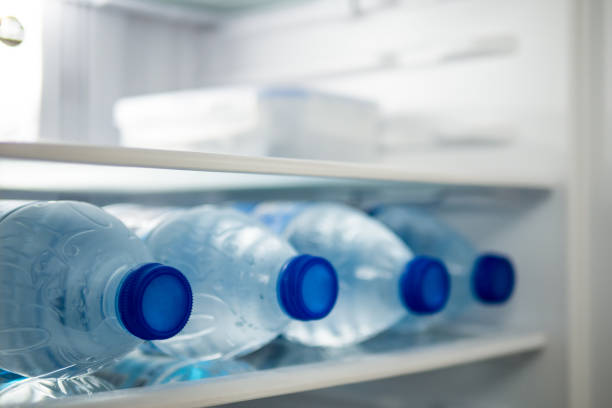
5 Simple Ways to Keep Sparkling Water Fizzy Longer
This is where practical habits matter most. Small adjustments in how you store and handle your sparkling water can significantly extend its fizz.
1. Keep It Cold
Cold liquids hold dissolved gases more effectively than warm liquids because cold temperatures maintain better gas solubility. The refrigerator provides the best temperature for sparkling water because it makes the beverage taste more refreshing and sharper.
Home carbonation requires you to chill your water before carbonating it. The process of cold water carbonation creates better CO₂ absorption because it increases cold water’s ability to hold gas. You should place an opened bottle back into the fridge immediately instead of letting it sit at room temperature.
The fizz shows significant decrease after only two hours of sitting on the counter.
2. Seal It Tight
Carbonation escapes through pressure loss. Gas will escape through any seal that has a slight opening.
For store-bought bottles, tighten the cap firmly after every pour. The following requirements must be confirmed before using soda maker bottles:
- The cap gasket is intact
- The threading is clean
- The bottle is not warped or damaged
Worn seals become the primary reason for flat sparkling water after their use reaches a certain duration. The process of replacing caps or bottles when necessary represents a minor expense that stops continuous carbonation leakage.
3. Avoid Shaking
The process of shaking which appears safe actually increases the release of gas. The process of agitation creates new bubbles which make CO₂ escape from the liquid at a faster rate.
Allow a bottle to settle for a period of time after it has been moved before you open it. The method decreases the rapid pressure drop which forces carbonation to escape from the container.
The proper way to pour a drink is to gently tilt the glass instead of pouring the drink with strength. The bubbles will vanish at a faster rate because you created more disturbance in the system.
4. Minimize Air Exposure
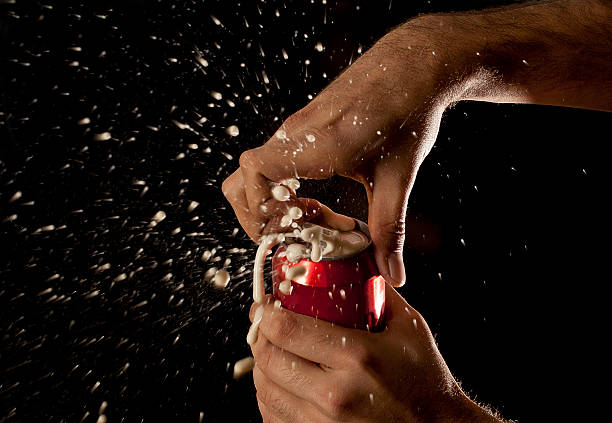
Every time you open a bottle, you replace pressurized CO₂ with normal air. The more empty space inside the bottle, the faster carbonation dissipates.
To slow this process:
- Choose smaller bottles if you don’t finish them quickly
- Avoid leaving bottles half-full for extended periods
- Close the cap immediately after pouring
For home carbonation users, it’s often better to carbonate smaller batches more frequently instead of storing large volumes for days.
5. Use High-Quality CO₂ Cartridges
Different sources of CO₂ emissions produce different levels of emission results. The carbonation strength of the gas depends on two factors which are its purity and the pressure stability of its output.
The high-quality cartridges deliver three essential functions which include constant internal pressure and dependable gas flow and food-grade purity.
The water becomes flat within a shorter time period because inconsistent pressure problems start from the initial stage of carbonation process. The problem of sparkling water losing its fizz too fast should not be attributed to storage because the actual cause lies in the quality of CO₂ supply.
Soda maker users need to check cartridge compatibility with their machines because this step helps to stop micro-leaks which create carbonation loss throughout the machine’s lifespan.
Does the Type of CO₂ Cartridge Matter?
Yes, it can.
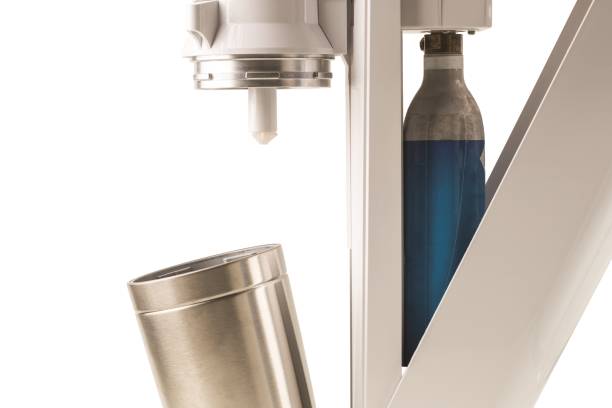
Pressure stability and gas retention depend on three factors which include threaded and non-threaded cartridges and refillable and disposable cartridges and different manufacturing standards.
A well-manufactured CO₂ cartridge maintains steady release during carbonation. The water will not achieve its peak saturation level when internal pressure changes. The result produces weak bubbles with rapid disappearance because of initial strength.
Cartridge leaks emanate from inadequate sealing that connects the cartridge with the regulator. The hidden leaks decrease the overall CO₂ that enters the water system.
When selecting cartridges, please consider:
- Food-grade certification
- Proper compatibility with your soda maker
- Consistent fill weight
- Reliable sealing design
- Stable input leads to stable carbonation output.
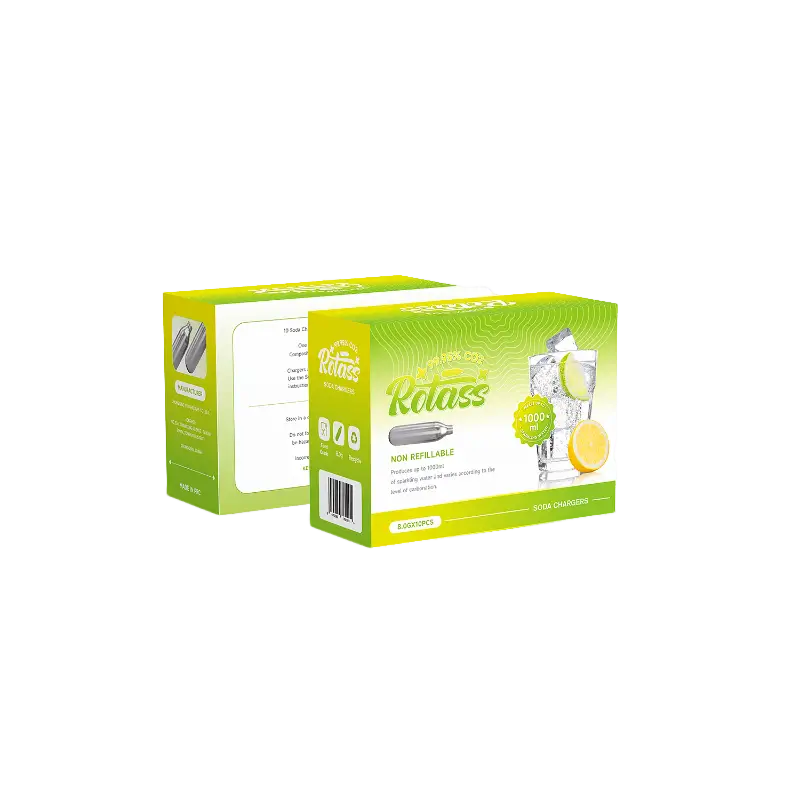
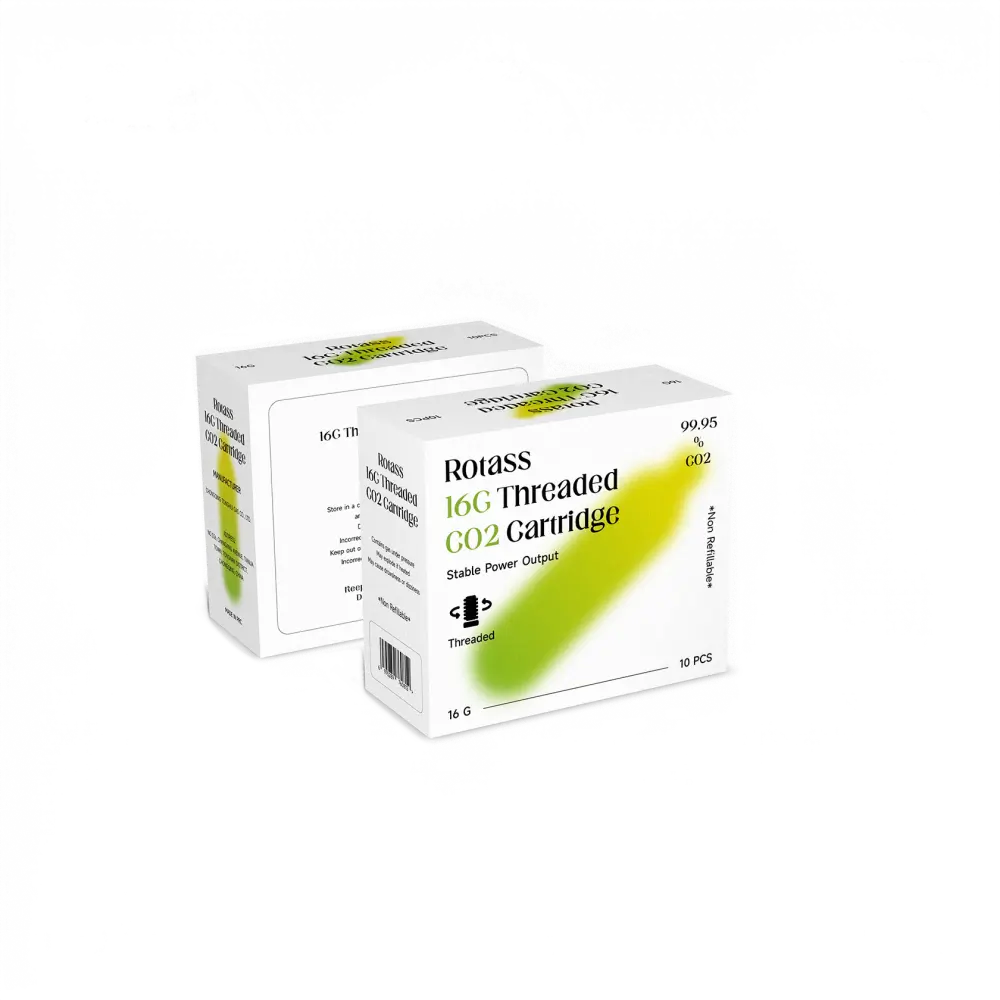
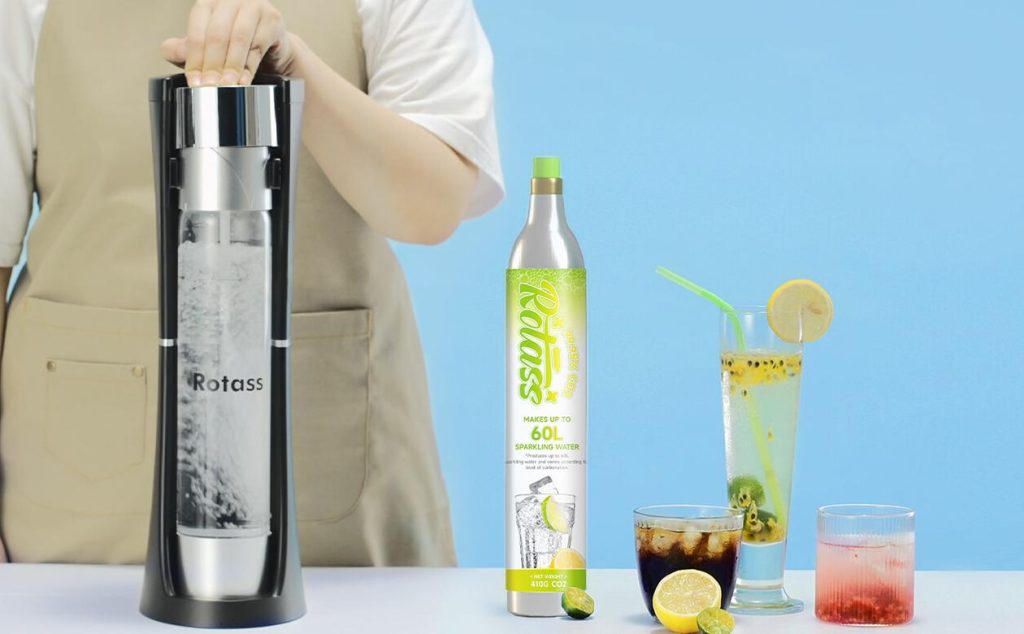
Compared to some unbranded or low-quality chargers, Rotass chargers usually offer a more consistent pressure supply, allowing for a more uniform absorption of CO₂ in water, thereby enhancing the saturation and persistence of carbonated water bubbles.
For instance, if an unstable air pump is used, even if the operation method is correct, the bubbles of carbonated water may disappear more quickly due to insufficient initial saturation. However, choosing an air source with better stability like Rotass can improve the sparkling quality at the source, thereby allowing the entire storage and consumption process to maintain active bubbles for a longer period.
How Long Should Properly Carbonated Water Stay Fizzy?
The answer depends on storage conditions. Unopened store-bought sparkling water can stay carbonated for months. Once opened and refrigerated, it typically maintains noticeable fizz for 1–3 days. Homemade carbonated water, if properly chilled and sealed, should remain pleasantly fizzy for at least 24–48 hours.
If your elaborately prepared sparkling water turns flat within a couple of hours, then certainly there is some requirement to fine-tune the process: say, temperature control, sealing or carbonation strength. Normally, when the required adjustment is made, water should not lose all its effervescence soon after it is opened and resealed-it will drop in effervescence over time, which is normal; however, the process would not be so dramatic.