Last Updated: 2026 / 07 / 28
Best Home Soda Makers for Wholesalers in 2026
Table of Contents
Best Home Soda Makers for Wholesalers in 2026
Retailers expanding into home beverage appliances face a sourcing decision that goes well beyond picking a popular product. Private-label demand for soda makers has grown steadily over the past two years, and this guide is built for that exact buyer who trying to figure out MOQ, private labeling options, and which supplier will actually respond to a bulk inquiry.
This guide looks at eight brands that show up consistently in consumer rankings and breaks down what actually matters if you’re sourcing: how each one handles wholesale inquiries, whether private labeling is realistic, and who each brand tends to work best for.
What Makes a Good Wholesale Soda Maker Supplier?
Before comparing brands, it’s worth defining what matters most during supplier selection. A product with excellent retail reviews may still be difficult to source if ordering requirements are rigid or distribution channels are tightly controlled.
For most wholesale buyers, the following factors usually have the biggest impact:
- Flexible minimum order quantities for market testing
- OEM and private-label manufacturing options
- Stable production capacity and predictable lead times
- International compliance and product certifications
- Responsive communication throughout the purchasing process
Depending on your business model, these priorities may carry more weight than brand recognition alone.
List of Home Soda Makers for Wholesale Buyers
Rotass
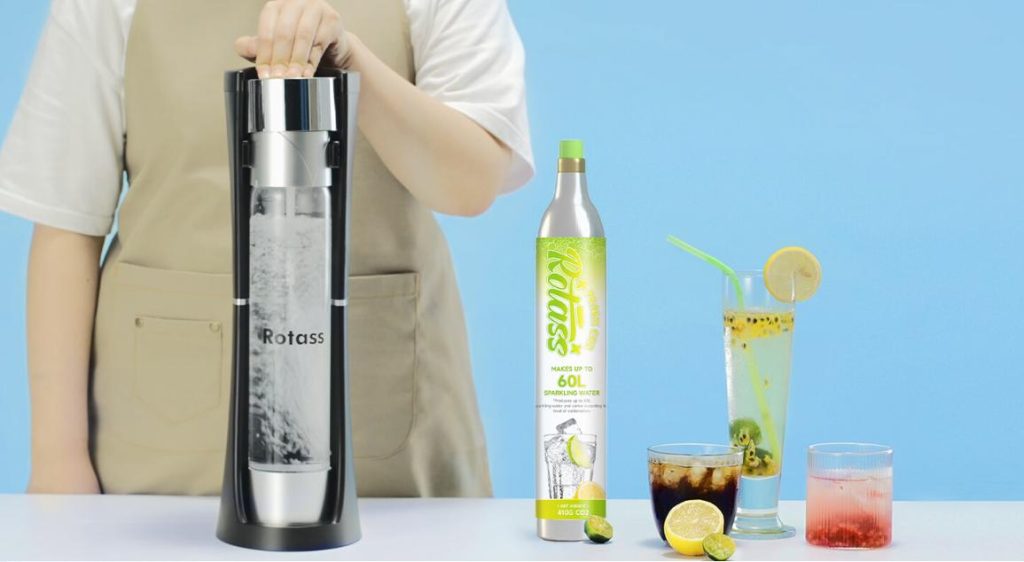
Rotass works directly with wholesalers, distributors, and private-label businesses, which tends to make communication a lot more straightforward for buyers who aren’t trying to negotiate through a middleman.
Order quantities can usually flex based on project size instead of demanding a large retail-style commitment upfront. That’s made it a common starting point for newer brands or Amazon sellers testing the category before committing to larger production runs.
Logos, packaging, user manuals, and product appearance can all be customized as part of the normal sourcing process. For businesses trying to build their own product line rather than reselling something that already exists under someone else’s name, that matters more than it might seem at first.
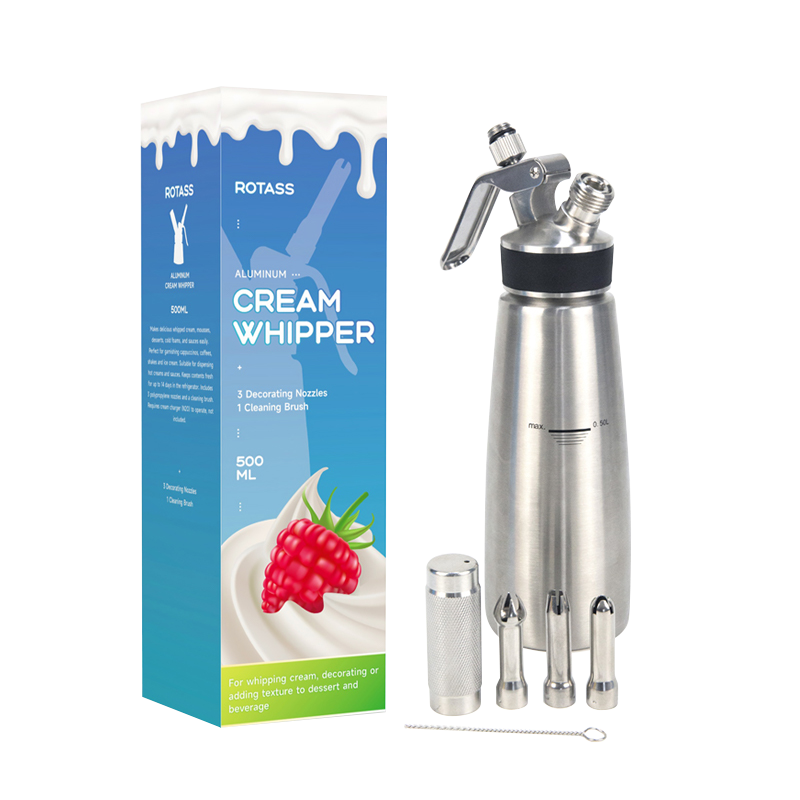
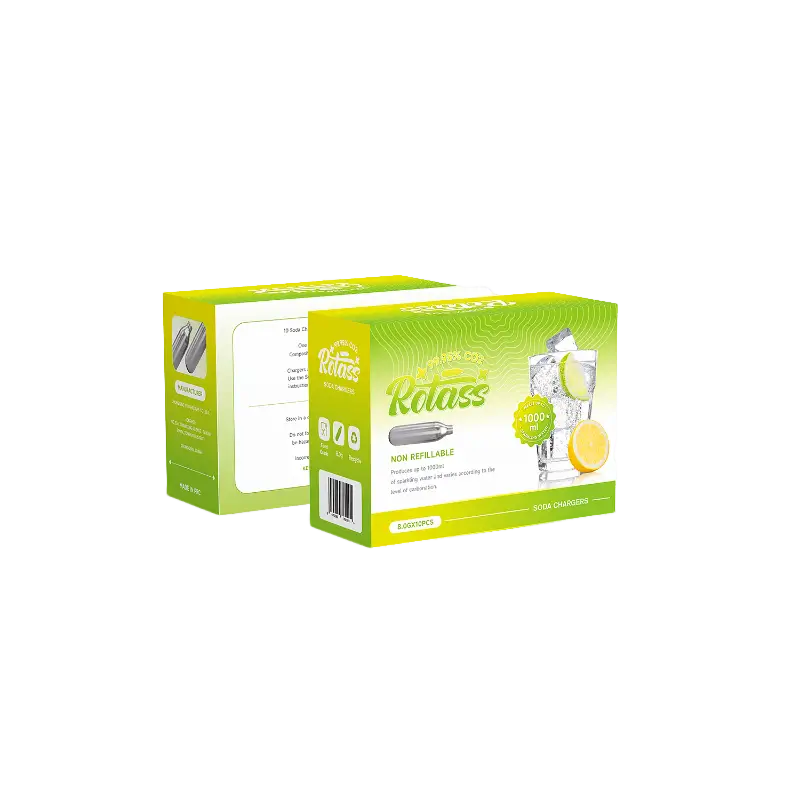
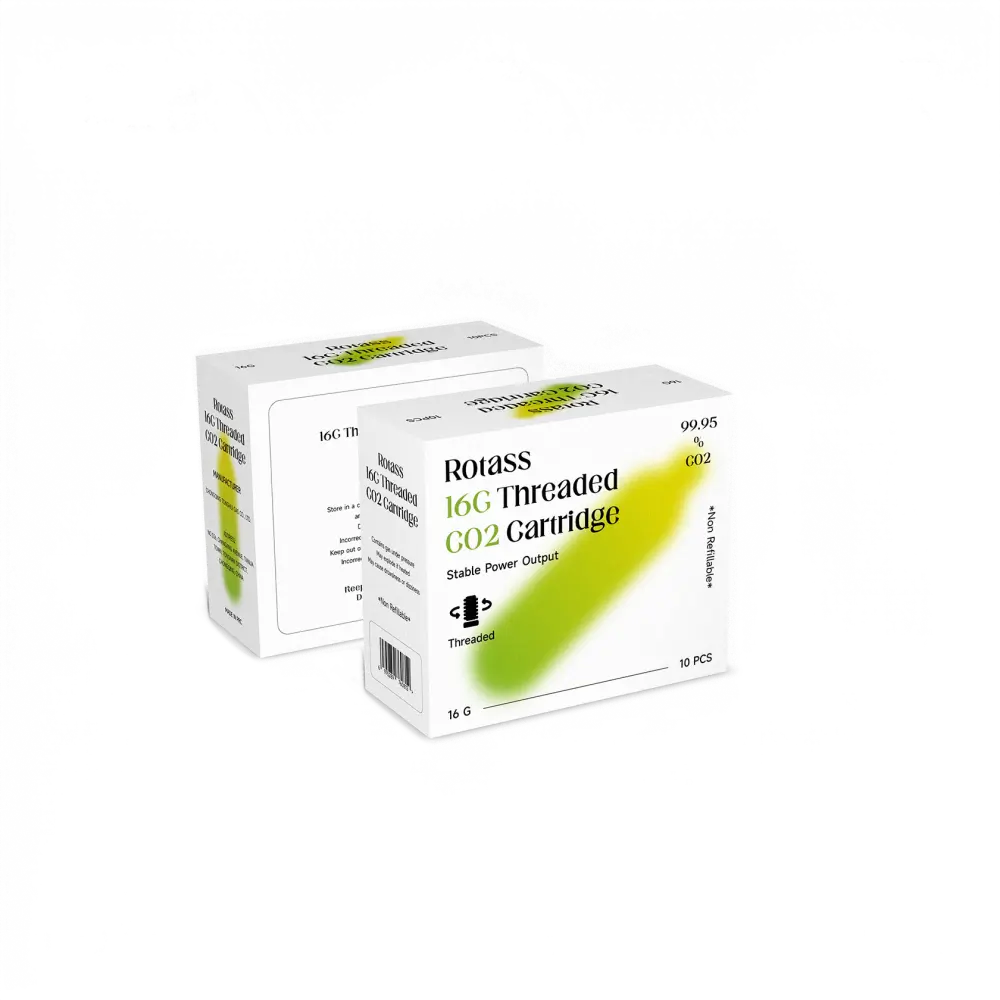
Rotass also manufactures related beverage products like CO₂ cylinders, so buyers sourcing multiple items can often consolidate through a single supplier instead of juggling logistics across several.
Best suited for: Private-label brands, wholesalers, distributors, and importers looking for factory-direct cooperation.
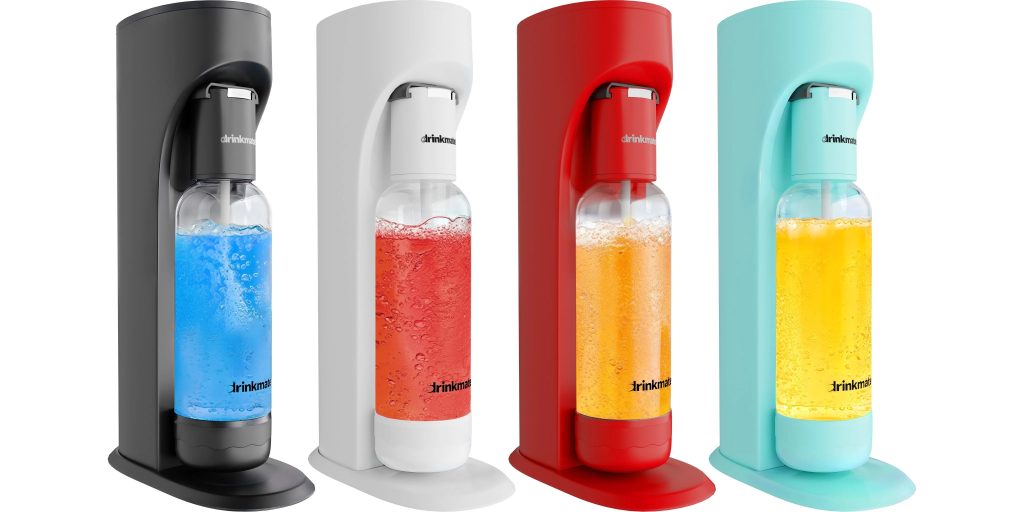
Drinkmate
Drinkmate’s biggest draw is that it isn’t limited to water, juices, cocktails, and other cold drinks can all go through the carbonation process, which most traditional soda makers simply aren’t built for.
Sourcing gets more complicated once geography enters the picture, though. Distribution in a lot of markets runs through regional partners instead of direct factory sales, so pricing, inventory, and minimum order requirements can shift quite a bit depending on which distributor a buyer ends up working with..
Best suited for: Specialty kitchen retailers, beverage equipment distributors, and regional wholesalers seeking differentiated products.
SodaStream
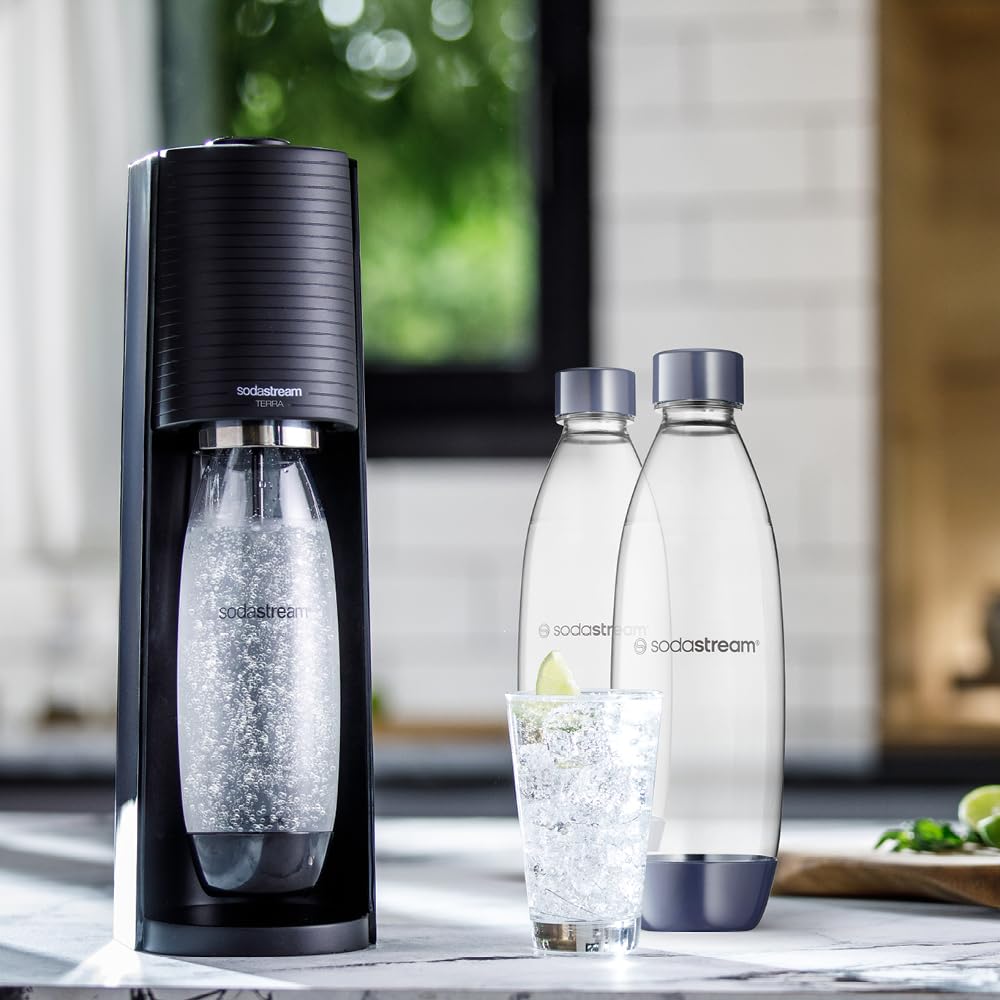
SodaStream doesn’t need much of an introduction — decades of retail presence have made it a familiar name across North America, Europe, and plenty of other markets.
SodaStream’s business runs largely through established retail partnerships and authorized distributors, and depending on the region, wholesale inquiries often get routed through local distribution networks instead of going straight to the manufacturer. That can make pricing less transparent and purchasing less flexible than working with a factory-direct supplier.
Private-label manufacturing isn’t really part of what SodaStream does. Buyers hoping to develop their own branded product will likely need to look elsewhere.
Best suited for: Retailers that prefer selling globally recognized consumer brands rather than developing private-label products.
Breville
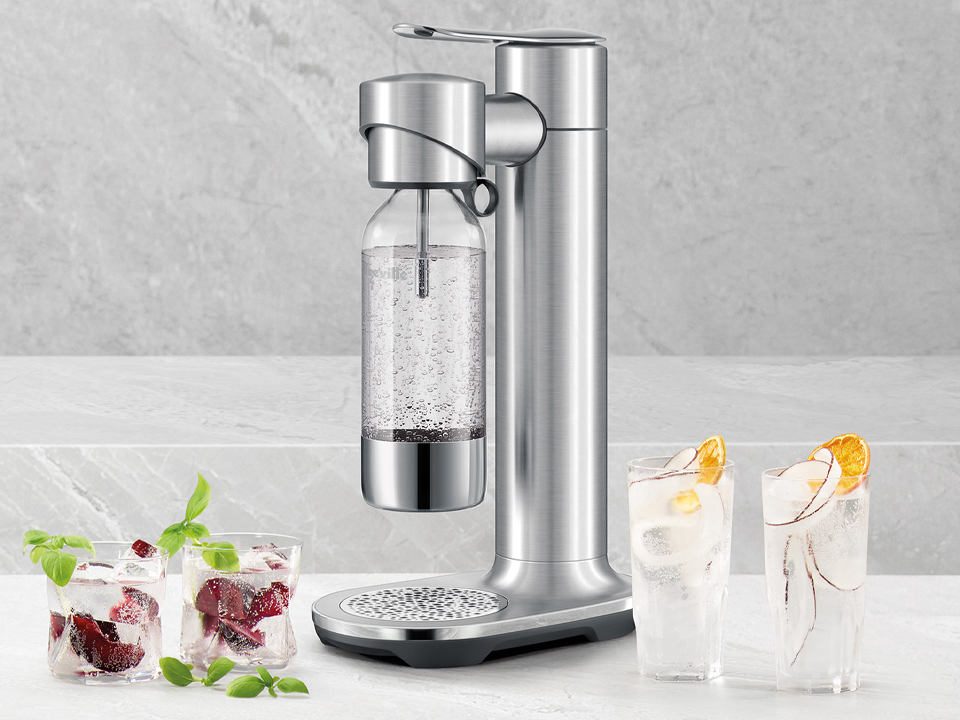
Breville’s InFizz line runs on the same engineering standards the company applies to its coffee equipment, and FusionCap technology lets it carbonate juice, tea, cocktails, and wine. That premium positioning extends to how the brand handles sourcing: distribution runs through an established dealer network, and there’s no visible private-label pathway for smaller buyers.
Best suited for: Appliance retailers and premium kitchen equipment dealers that prioritize established consumer brands.
Aarke
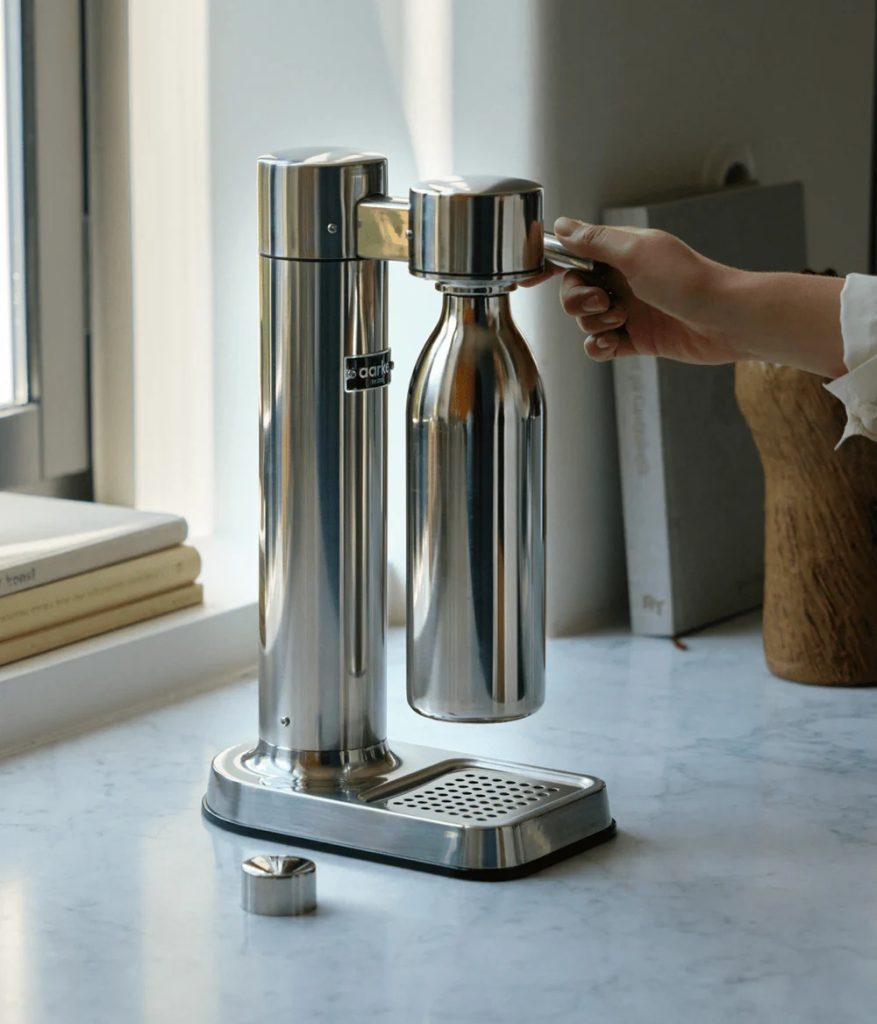
Aarke leans hard into minimalist Scandinavian design instead of chasing product line expansion, and its soda makers usually sit next to premium kitchen appliances rather than budget countertop gadgets — the kind of positioning that draws in buyers who care as much about how something looks as what it does.
That carries over into how the brand handles wholesale, too. There isn’t much public information about OEM cooperation or formal wholesale programs, and in a lot of cases, buyers end up going through premium distributors or specialty retailers rather than the manufacturer directly.
Pricing doesn’t leave much room either, especially on smaller orders, the gap between wholesale and retail can be narrow enough that volume-focused distributors won’t find the margins particularly attractive.
Best suited for: Premium homeware stores, design retailers, and lifestyle boutiques targeting higher-end consumers.
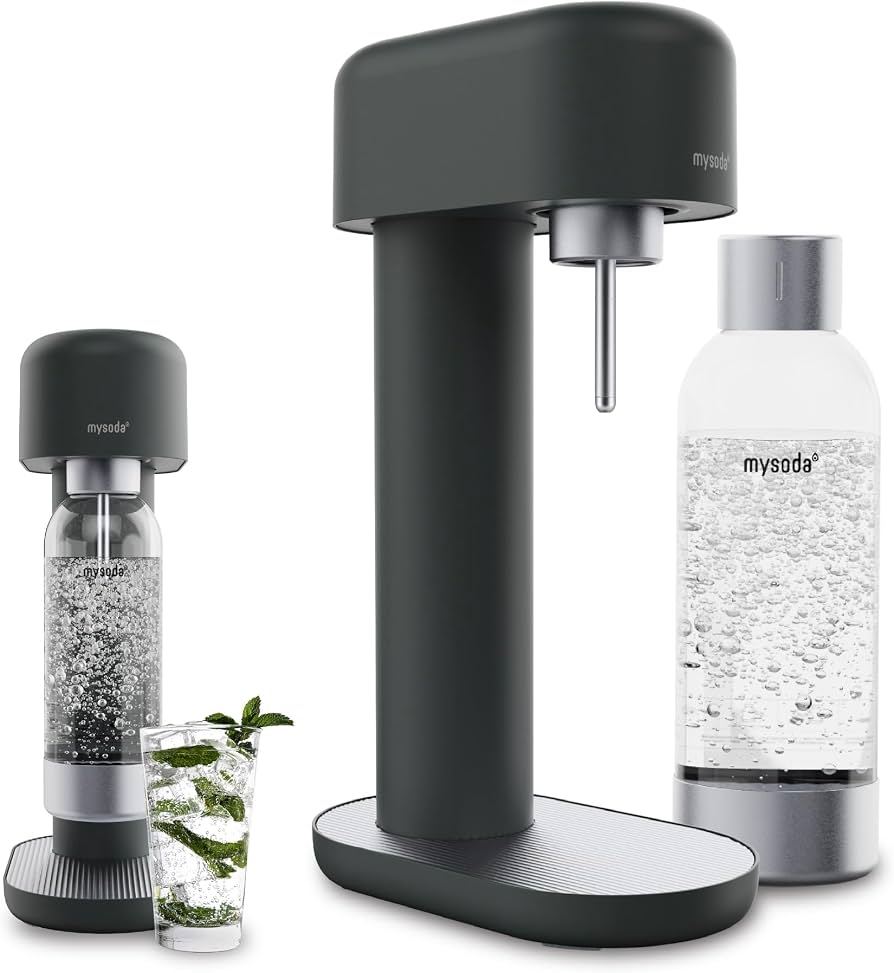
Mysoda
Mysoda’s gotten a lot of traction in Europe on the back of minimalist Nordic design and sustainability, and environmentally conscious branding aren’t side notes for this brand,
Wholesale-wise, the company stays fairly concentrated in Europe, so buyers outside the region may run into longer response times or end up working through local partners instead of dealing with Mysoda directly.
Best suited for: European retailers, sustainability-focused brands, and specialty stores serving environmentally conscious consumers.
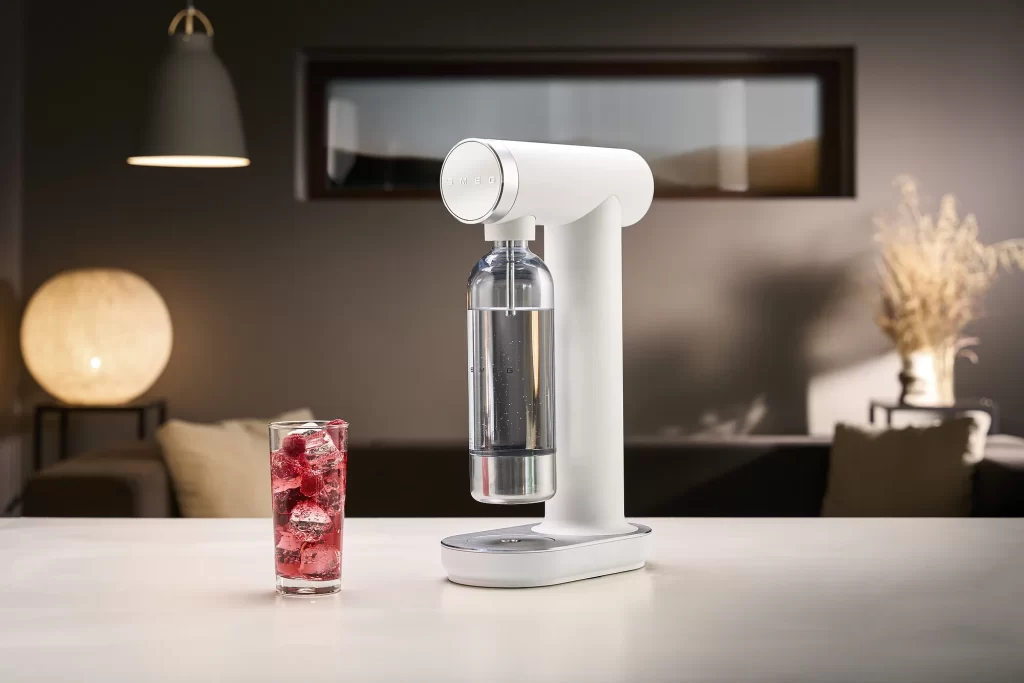
SMEG
SMEG’s appeal lives entirely in its retro design language, and that positioning shapes its wholesale accessibility. Distribution is retail-focused, MOQs run high, and there’s no meaningful private-label option.
Fits luxury appliance boutiques but may not suit cost-sensitive bulk buyers looking to build margin through volume.
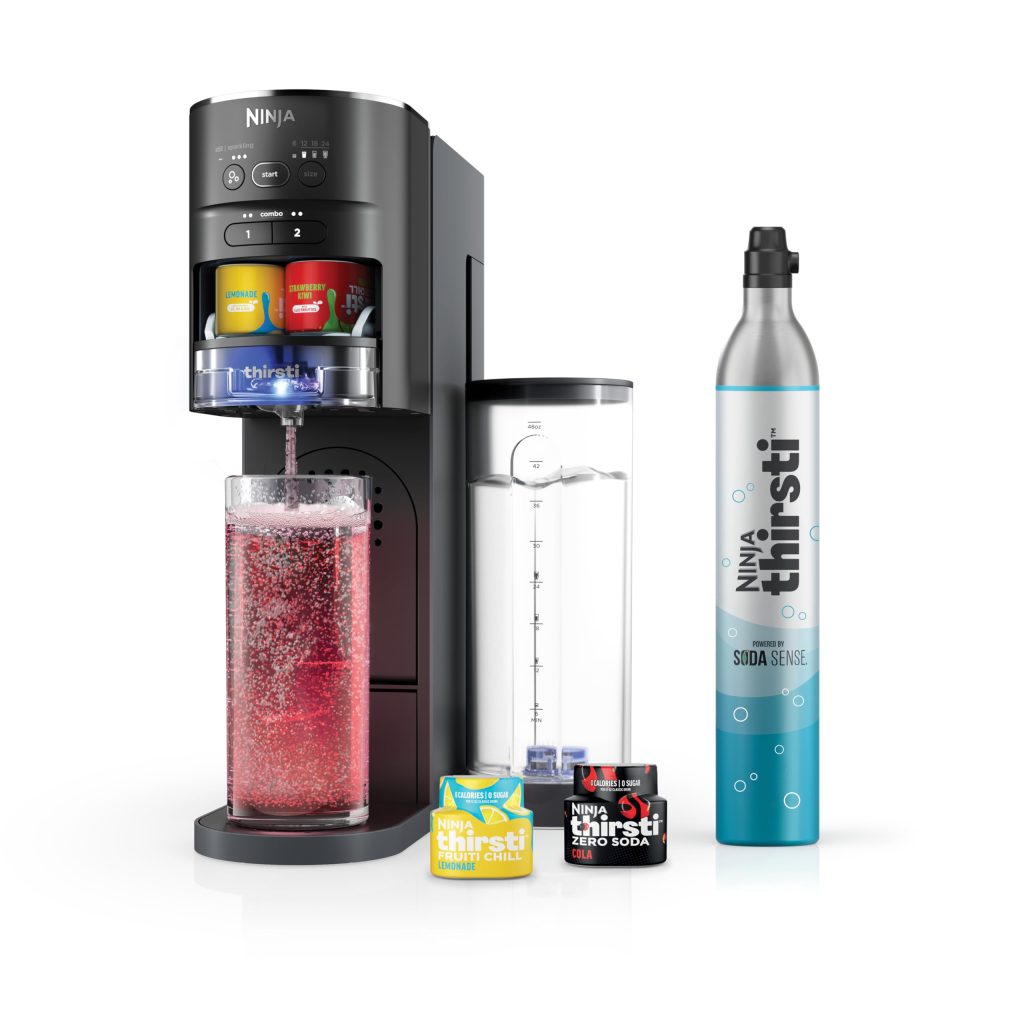
Ninja
Ninja brings scale that most brands on this list can’t match — a distributor network built for large retail chains. Standardization is the brand’s strength: consistent SKUs, predictable supply, and minimal customization. There’s no private-label pathway, and MOQs are structured for chain-level ordering rather than smaller distributors.
Best suited for large retail chains with standardized procurement processes rather than buyers looking to differentiate through branding.
| Brand | MOQ | Private Label | Distribution Model | Supply Reliability |
| Rotass | Low, negotiable | Yes | Factory Direct | High |
| Drinkmate | Medium | Limited | Regional Distributor | Medium |
| SodaStream | High | No | Retail Brand | High (retail only) |
| Breville | High | No | Distributor Network | Medium |
| Aarke | Undisclosed | No | Retail Brand | Medium |
| Mysoda | Medium | Limited | Regional Distributor | Medium |
| SMEG | High | No | Retail Brand | Medium |
| Ninja | High | No | Distributor Network | High |
How to Choose the Right Soda Maker Supplier
There is no single supplier that fits every wholesale business. The right choice depends on how you plan to sell, who your customers are, and how much flexibility you need throughout the purchasing process.
Amazon and independent site sellers generally need low MOQ, fast replenishment cycles, neutral packaging they can rebrand, and barcode support for marketplace listings.
Corporate gifting and custom programs prioritize logo printing, custom packaging options, and the ability to bundle CO2 cylinders into a complete gift set.
Retail chains care most about inventory stability, predictable annual pricing, and clear warranty policies that don’t create service headaches down the line.
Design-focused retailers weigh premium appearance and shelf presentation over cost, often accepting higher MOQs in exchange for brand recognition that sells itself.
The “best” soda maker for wholesale sourcing depends less on consumer ratings than on priorities like MOQ, branding flexibility, and long-term supply stability, the questions that never show up in a typical buying guide. If you’re evaluating factory-direct sourcing options or planning a private-label soda maker program, Rotass can provide tailored recommendations based on your order volume and target market.
FAQs
What’s the typical MOQ for wholesale soda maker orders?
It varies widely by brand and structure. Factory-direct manufacturers like Rotass often negotiate MOQ based on order type, while retail-focused brands tend to set high, fixed minimums that don’t flex for smaller buyers.
Can soda makers be private-labeled for resale?
Some can. Factory-direct manufacturers are far more likely to offer this than brands built around established retail distribution, where private labeling usually isn’t part of the business model at all.
Is private labeling worth it for small wholesale buyers?
It depends on order volume and how much control you want over branding. For buyers testing a new product line, a factory-direct supplier with flexible MOQ tends to make more sense than committing to a large private-label run upfront.
Should I source directly from manufacturers or distributors?
Sourcing direct from a manufacturer usually means better pricing and more flexibility on customization, but it requires more due diligence. Distributors offer convenience and lower minimums, often at the cost of margin and branding control.
How do wholesale prices scale with order volume?
Most suppliers offer tiered pricing that improves at higher volumes, though the exact breakpoints vary. Factory-direct relationships tend to offer more room to negotiate than fixed retail-distribution pricing.
What lead time should wholesale buyers expect?
This depends on production capacity and whether customization is involved. Standard orders from established suppliers typically move faster than private-label runs, which require additional setup time.