2026 / 03 / 10
Refillable vs Disposable N2O Cylinders: Which Option Is Better for Your Business?
Table of Contents
Most modern cafes and cocktail bars and professional kitchens use N2O nitrous oxide which operates silently throughout their facilities. N2O has become an essential equipment for restaurants and food services because it allows them to whip cream within seconds and create smooth cold brew drinks and enable bartenders to extract fresh flavors during drink preparation.
The right cylinder selection for your business needs should receive more attention because it remains extremely important. The choice between refillable and disposable N2O cylinders isn’t just a matter of convenience. Your decision impacts four areas which include operational expenses and environmental impact and storage capacity and daily supply management.
This guide will help you cut through the noise and make a decision that actually fits your business — not just today but over the long term.
Disposable N2O Cylinders
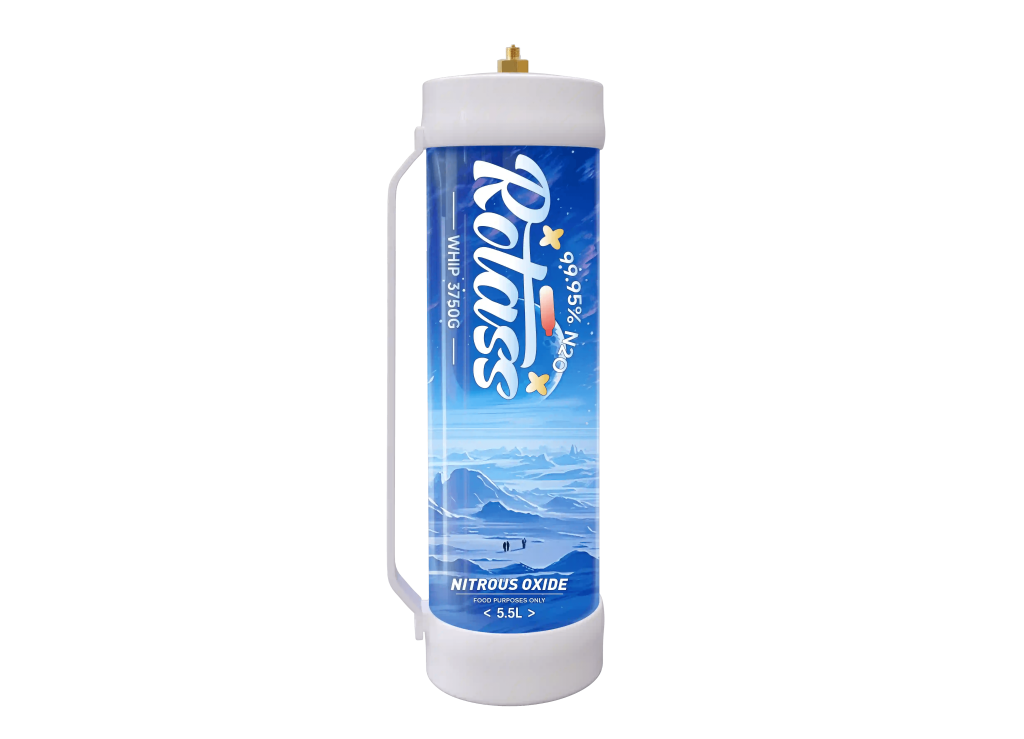
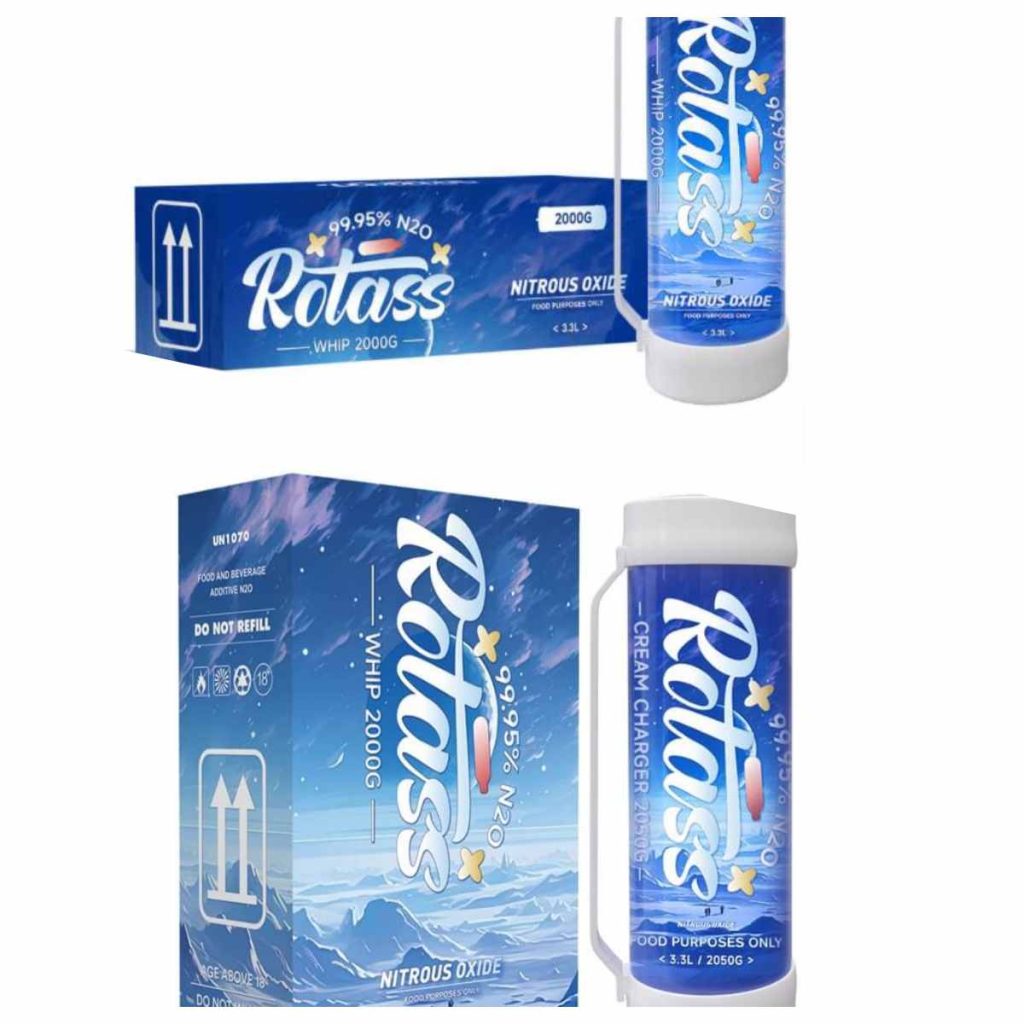
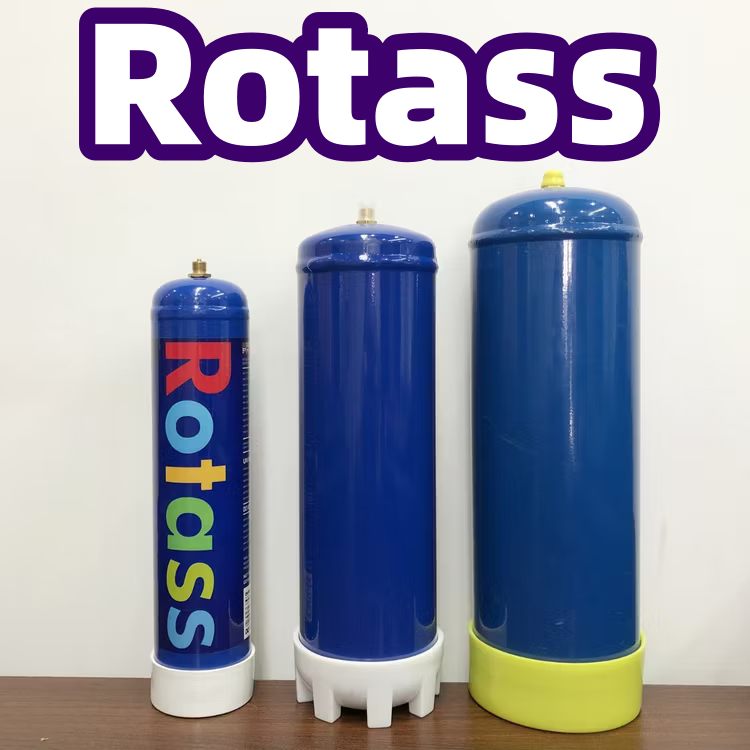
When you want just a one-time convenient opportunity to do your thing, then disposable cylinders are those supply shops for you. Whipped cream dispensers are where they’re used the most 8g in sizes. Similarly, some of the trendy ingredients bars and coffee bars really like are 580g and 640g. You could use them for heavy base needs from cafes in January.
The charm lies in the fact that it does not demand refill logistics, a forfeited sum, no attention at all. You have to order a box, use them, and order again when you run out. This is significant simplicity in utility for small businesses or highly fluctuating activities.
Refillable N2O Cylinders
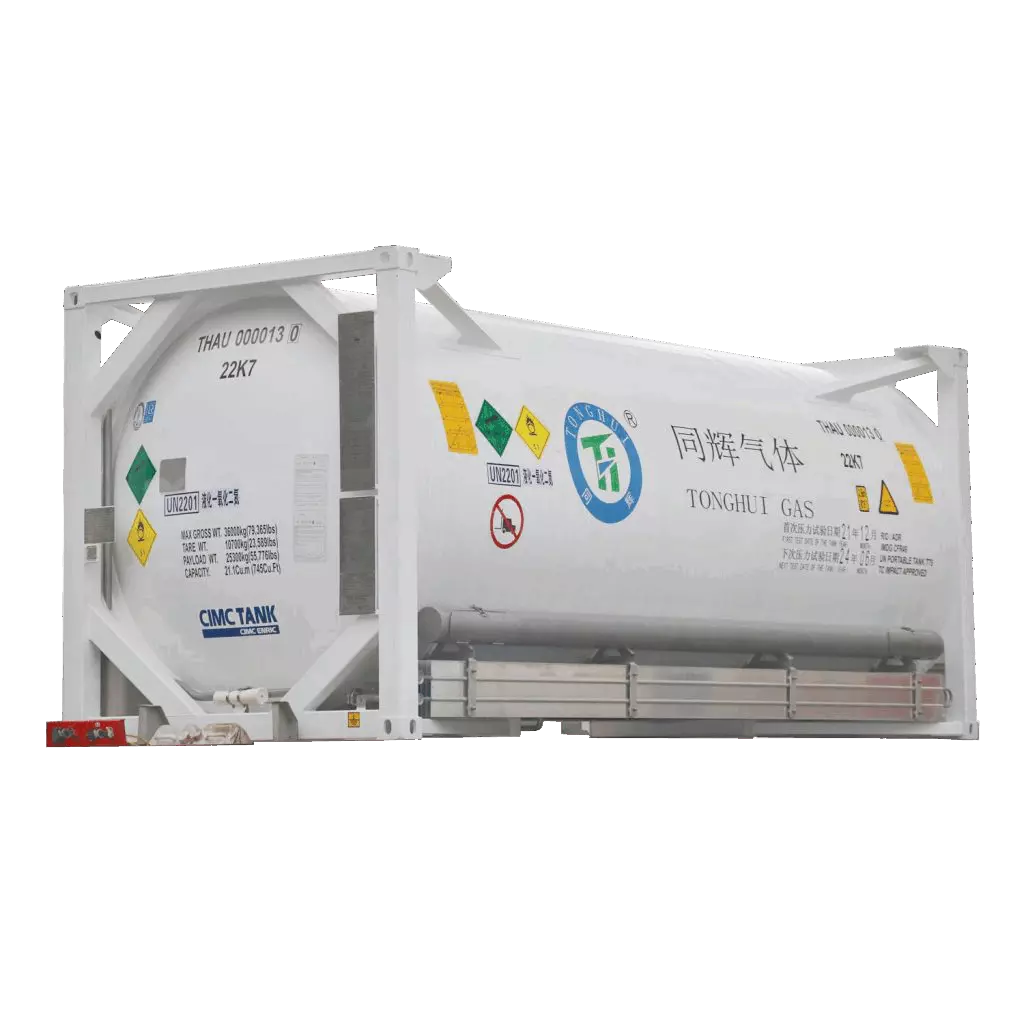
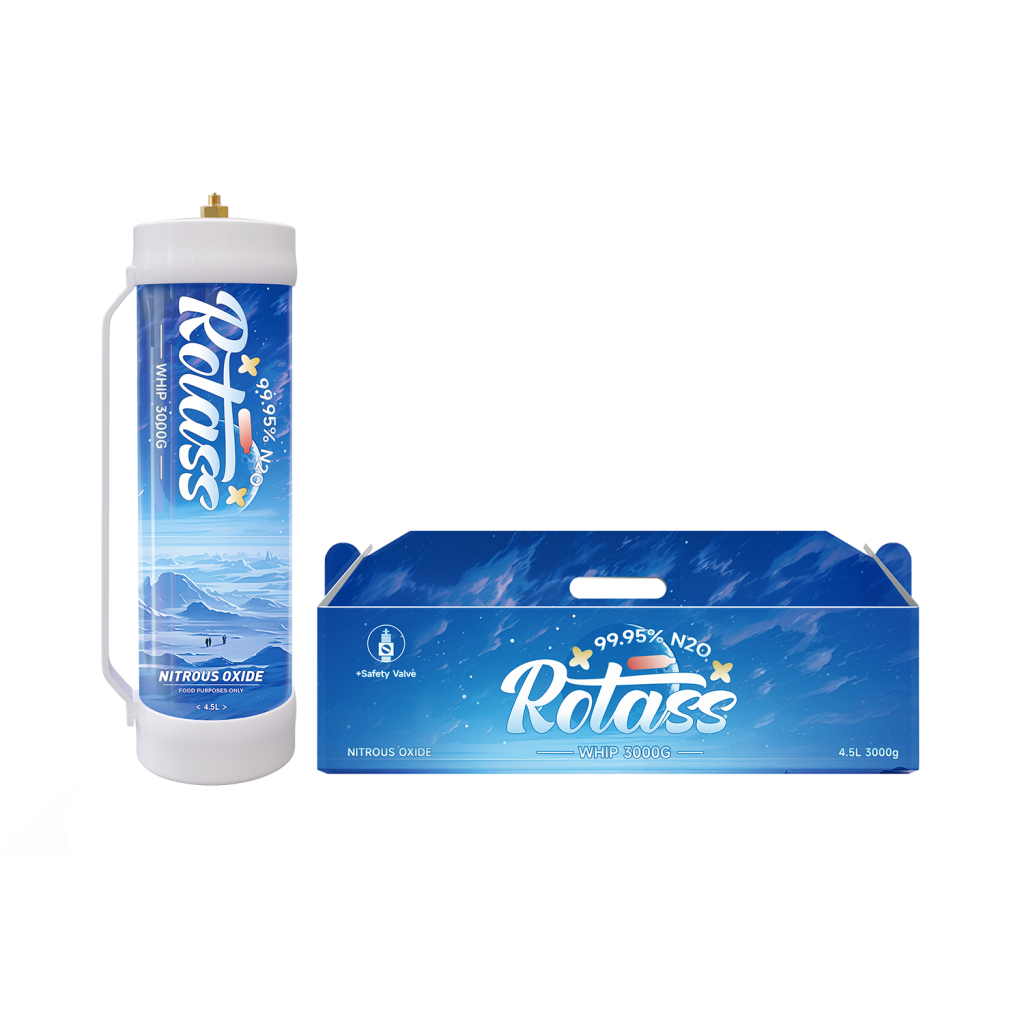
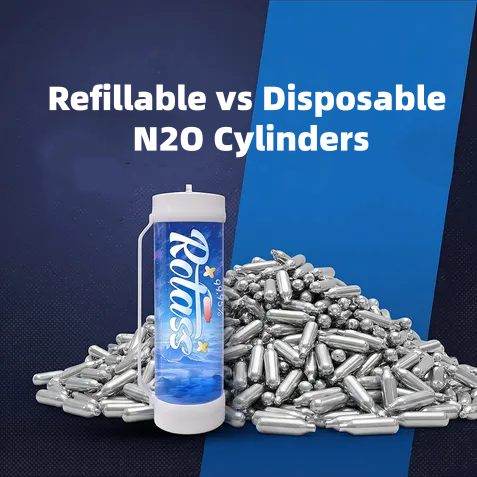
A refillable cylinder-type tanks are robust, having capacities that range widely, from 2 kg to even 10 kg and above. Your cylinders can be refilled at an authorized outlet or by participating in the supplier’s exchange program. This method costs more initially, but it includes more things to keep track of in storage, handling, and refilling routines.
In return, your expense in gas over time receives a lower cost per liter, and much less packaging goes to waste. It adds up very quickly for businesses with regular high-volume N2O usage.
Refillable vs Disposable N2O Cylinders: Side-by-Side Comparison
| Dimension | Disposable | Refillable |
| Upfront Cost | Low | High |
| Long-term Cost | High | Low |
| Ease of Use | ★★★★★ | ★★★☆☆ |
| Environmental Impact | Poor | Good |
| Storage & Safety | Simple | Needs management |
| Supply Control | Order-dependent | Self-managed |
This table gives you the broad strokes, but the real story is in the numbers — and in which of these factors matters most for your specific situation.
Cost Analysis: Short-Term vs Long-Term
Generally speaking, cost is the first factor that enterprises consider – and this is where people most often make mistakes.
The use of disposable gas cylinders has a very low threshold. No equipment needs to be purchased, no deposit is required, and you can start using them immediately. If you are a new enterprise that manages cash flow carefully, or if you are operating a temporary stall, then this is indeed very useful.
The problem is that the unit cost of disposable gas products is significantly higher than that of refillable gas products. If your company uses 100 gas tanks per month, from a mathematical perspective, the cost advantage of using disposable gas tanks will soon disappear. Within 12 months, the difference in gas costs alone would be enough to offset the initial investment required for the refillable system.
Apart from the gas itself, there are also some hidden costs that need to be taken into consideration:
- Frequency and cost of transportation – One-time products require frequent reordering, and transportation costs will accumulate continuously.
- Storage space – The storage of a large number of one-time ink cartridges will occupy more space than a single reusable filled ink cartridge.
- Waste disposal – In some regions, empty ink cartridges require specific disposal methods, which may incur costs.
Use rule of thumb: if you ever spend over a few hundred dollars monthly on disposable nitrous oxide, it’s time for a proper cost comparison with a refillable system. Actually, the point of breakeven is often quite near to what people think.
Environmental and Regulatory Considerations
The environmental benefits of reusable gas cylinders are self-evident. The use of disposable steel gas tanks generates a large amount of waste. Although they can technically be recycled, not all municipal authorities accept them, and not all enterprises have the corresponding facilities to properly sort and handle these wastes.
In several markets, regulations concerning disposable N2O containers are also becoming increasingly strict. The EU has imposed restrictions on the sale of large-capacity disposable cartridges due to abuse issues, and similar discussions are underway in other regions. This does not mean that disposable products will immediately disappear, but it does indicate that enterprises that heavily rely on such products should pay attention to it.
In contrast, the refillable system can significantly reduce packaging waste and typically has lower carbon emissions when delivering the same volume of gas. For those enterprises that aim to achieve environmental, social and governance goals, or for companies that simply wish to make more responsible purchasing choices, this is of great significance, and it is also receiving increasing attention from consumers.
Purchasing and Operational Considerations
Whether you plan to use reusable gas containers or continue to use disposable ink cartridges, you need to pay attention to the following issues.
First of all, make sure that your N2O supplier has obtained certification and that the gas is of food-grade quality. These are the basic safety and quality standards that must be followed in any application involving food or beverages.
For cylinders that can be refilled repeatedly, it is necessary to understand in advance how the supplier you have chosen handles replenishment or cylinder replacement. How far is the nearest supplementary point? How long is the turnaround time? Can a spare cylinder be prepared to avoid service disruptions? These logistics-related issues must be clarified before placing the order.
Storage is also an aspect that needs attention. The pressure tanks must remain upright, kept away from heat sources, and placed in a well-ventilated area. Different countries and regions may have local regulations or requirements regarding how and where these tanks should be stored. Therefore, before purchasing, make sure your storage method complies with the relevant requirements.
Finally, it is also necessary to consider the potential impact that a change in suppliers might have on your existing equipment. Most distributors and mixers are compatible with standard accessories, but it is advisable to confirm their compatibility before making the switch.
Which Option Is Right for Your Business?
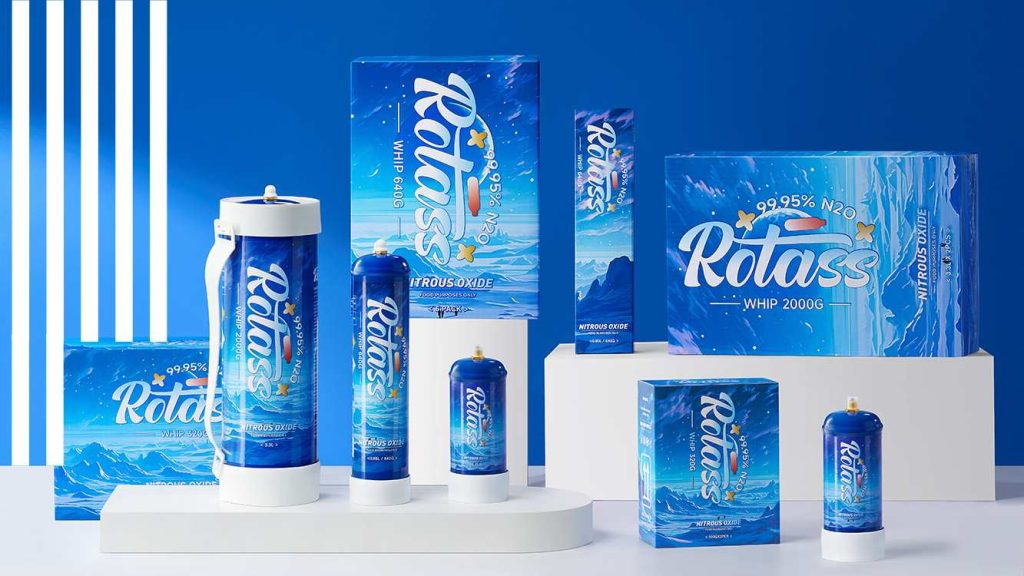
There is no single answer that applies to everyone. Rotass has listed some applicable scenarios for your reference.
Disposable gas cylinders are more suitable for use in the following situations:
- If you operate a small café or food truck and the required amount of N2O is limited and unstable.
- If you are conducting temporary events or providing catering services and need something portable.
- If you are in the early stages of starting a business and want to minimize upfront costs.
- If you do not have sufficient storage space or safety facilities to accommodate larger gas tanks.
Refillable steel cylinders are more suitable for use in the following scenarios:
- If you operate a restaurant, bar or café and have a stable and high demand for N2O usage.
- You operate in multiple locations and wish to achieve standardization of the supply chain.
- Cost-effectiveness is your top priority and you are willing to make a moderate upfront investment.
- Your enterprise has sustainable development goals, or you simply want to reduce packaging waste.
In short, neither of these two options is an absolute good or bad choice. The correct choice depends on your usage volume, budget, storage capacity, and operational priorities.
If you are using a small amount of nitrogen oxide, a single-use gas cylinder has the advantages of being easy to operate and having a low initial cost. These advantages are undeniable. However, if you use a large amount of this gas every month, a reusable system will almost certainly save you money in the long run and also reduce the environmental impact.
We suggest that you first estimate the monthly cost of nitrogen oxides, and then choose the supplier you like and request them to provide a comparison quote for reusable devices. No matter what decision you make, be sure to ensure that the materials purchased come from reputable and certified suppliers, and your team must be well aware of the correct handling and storage methods.
If possible, we would be honored to be your reliable choice. Please feel free to contact Rotass.
FAQs
Is there a difference in N2O purity between disposable and refillable cylinders?
In most cases, both types should meet food-grade standards (99.9% purity or above) when sourced from a legitimate supplier. The difference lies not in the cylinder type, but in the supplier’s credentials. Regardless of which format you choose, always ask for certification documentation and a quality report before purchasing.
How long does it typically take to get a refillable cylinder recharged?
It depends on your supplier and location. Some suppliers offer a cylinder swap service — exchanging your empty for a full one — with a turnaround of one to three business days. Others require you to bring the cylinder to a designated refill point, which may take longer. Before signing any agreement, clarify the refill SLA and consider keeping a spare cylinder on hand to cover peak demand periods.
How should I dispose of used disposable cylinders?
Empty N2O cartridges are made of steel and are technically recyclable, but the handling process varies by region. Some areas require the cartridge to be punctured before recycling; others have dedicated industrial gas container collection channels. Contact your local waste management authority for specific guidance — and avoid disposing of them in regular household or commercial bins.
Are Rotass cylinders suitable for commercial use, and which category do they fall into?
Rotass offers a range of N2O products covering multiple formats, from small 8g cartridges to larger cylinders designed for commercial applications. Their products meet food-grade standards and have been adopted by a number of food service and café operators. If you’re in the process of evaluating suppliers, Rotass is worth including in your comparison.