Share your requirements with Rotass now!
Is Sparkling Water Good for Coffee? What Coffee Lovers Should Know
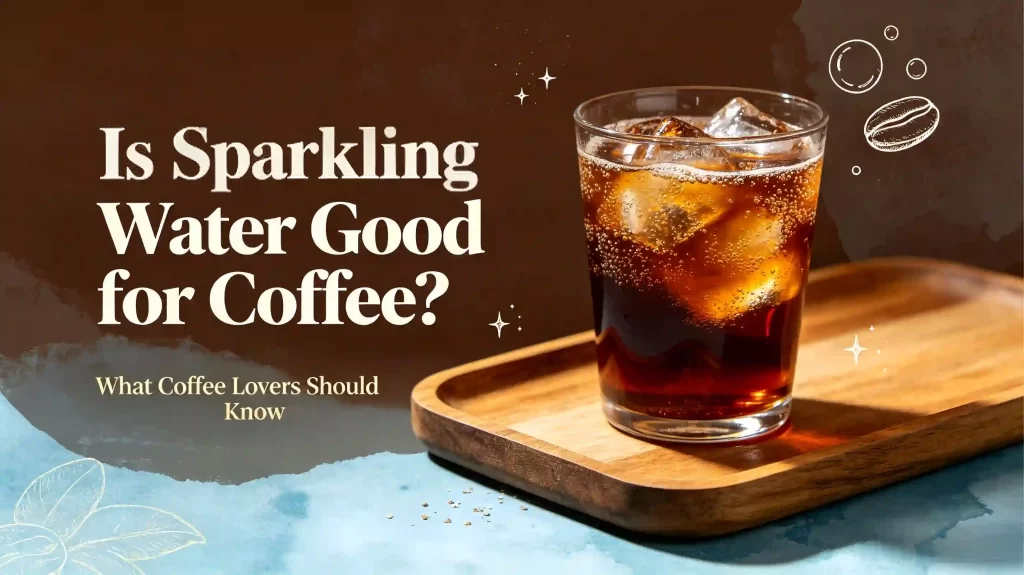
Coffee is usually associated with hot water, cold brew, or a glass of milk. But sparkling water has also found its way into coffee drinks, especially in cafés and at-home recipes that aim for something lighter and more refreshing.
So, can you really mix carbonated water with coffee? And does the carbonation actually improve the drink?
The short answer is that it depends on how you use it. Sparkling water is not necessarily a better replacement for regular brewing water, but it can work well as an ingredient in certain cold coffee drinks. The bubbles, acidity, and lighter mouthfeel can give familiar coffee flavors a very different character.
What Does Sparkling Water Do to Coffee?
Sparkling water contains dissolved carbon dioxide (CO₂). Once the water is exposed to normal pressure, some of that CO₂ escapes as bubbles. The dissolved gas also contributes to the slightly acidic taste associated with sparkling water.
When carbonated water is combined with coffee, you are not simply adding water. You are changing the drink’s texture and the way its flavors are perceived.
The carbonation can make coffee feel more lively and refreshing. It may also bring out a sharper contrast between the coffee’s acidity, bitterness, sweetness, and roasted notes. For some drinks, that extra brightness works particularly well with ice and citrus flavors.
However, carbonation does not automatically make coffee taste better. Coffee is highly sensitive to brewing conditions, and the result will still depend on the beans, roast level, extraction, temperature, and other ingredients.
Can You Mix Sparkling Water With Coffee?
Yes, but the method matters.
One of the simplest combinations is espresso with sparkling water. A small amount of espresso served with chilled sparkling water creates a very different drink from a traditional espresso. The carbonation adds a crisp, refreshing sensation, while the concentrated coffee keeps its strong roasted character.
Cold brew is another good match. Because cold brew is already served chilled and often has a smoother flavor profile, sparkling water can make it feel lighter without completely covering the coffee’s character.
You can also combine iced coffee with sparkling water, particularly when other ingredients such as lemon, orange, or a small amount of syrup are involved. These drinks are often closer to coffee-based refreshments than traditional brewed coffee.
For hot coffee, however, carbonated water is less practical. Heating drives dissolved CO₂ out of the water, so much of the carbonation would be lost before or during brewing.
Why Do Some Coffee Drinks Taste Better With Sparkling Water?
The main reason is not that sparkling water adds a new coffee flavor. Instead, it changes the overall drinking experience.
First, carbonation adds a refreshing sensation. The bubbles make a cold coffee drink feel lighter and more energetic, which can be especially appealing on a warm day.
Second, it changes the mouthfeel. Regular iced coffee is still and smooth, while carbonated coffee has a noticeable fizz. That difference can make a familiar drink feel completely new.
Third, carbonation can create contrast. Coffee naturally contains bitter, acidic, sweet, and roasted notes. The slight acidity and effervescence of carbonated water can make some of these characteristics more noticeable.
What Types of Coffee Work Best With Carbonated Water?
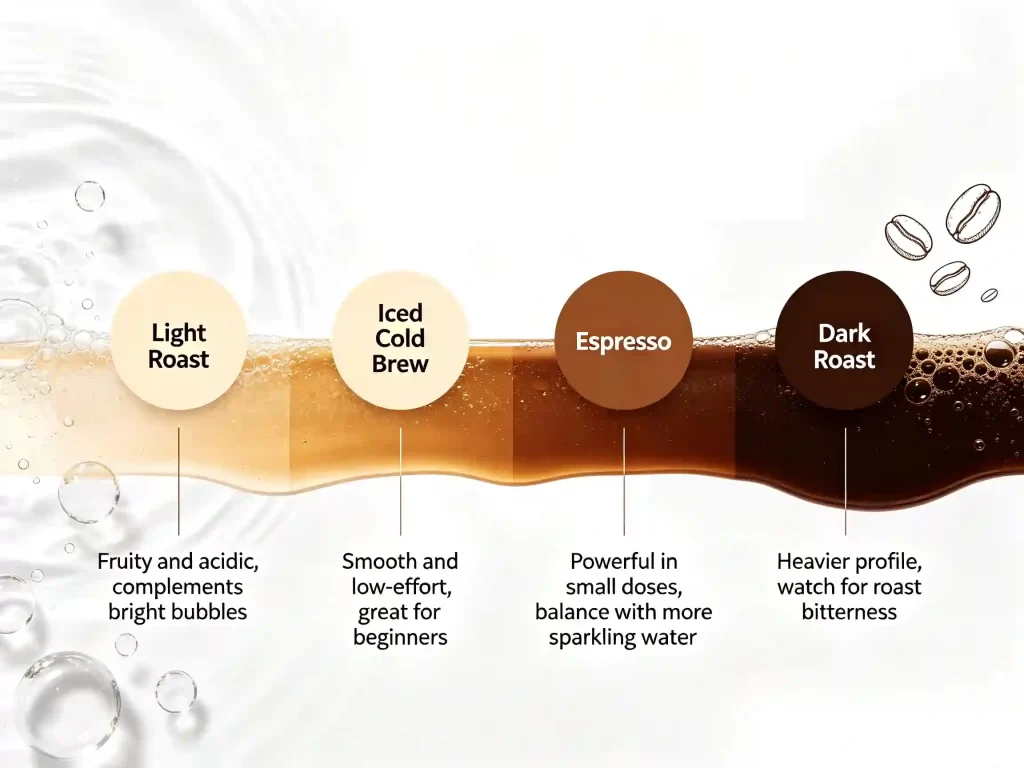
Cold brew is one of the easier options to experiment with. Its relatively smooth character works well with chilled sparkling water, particularly when the drink is not too concentrated.
Espresso can also work, especially when used in a small amount with plenty of chilled carbonated water. A bright, lightly roasted espresso may produce a more noticeable contrast, while darker roasts can create a stronger roasted and bitter profile.
Lightly roasted coffee may also be interesting in sparkling drinks because its fruitier or more acidic notes can complement carbonation.
With dark-roasted coffee, the result can be heavier. Strong roasted, smoky, or bitter notes may become more pronounced, so the amount of coffee and sparkling water may need some adjustment.
There is no single ratio that works for every coffee. If you are experimenting at home, start with a small amount of coffee and add chilled sparkling water gradually.
Does Carbonated Water Change the Taste of Coffee?
It can change how you perceive the drink, but that does not mean it changes the coffee itself.
Carbonation can add a slight acidic sensation and make the drink feel more refreshing. The bubbles can also affect how aromas and flavors are released while you drink it. As a result, the same coffee may seem brighter, sharper, or lighter when served with carbonation.
Temperature matters as well. Carbonated water generally retains its fizz better when it is cold, which is one reason sparkling coffee drinks are more commonly served chilled.
If you prefer a rich and traditional coffee profile, carbonated water may not be what you are looking for. If you enjoy cold brew, fruit-forward coffee, or lighter summer drinks, however, it is worth trying.
Can You Make Sparkling Coffee at Home?
You can make a simple version without changing your normal coffee routine too much.
Start with cold brew or freshly brewed coffee that has been cooled. Add ice if desired, then slowly add chilled plain sparkling water. Taste it before adding anything else. A little lemon, orange, or syrup can be added if the coffee needs more sweetness or acidity.
It is better to experiment with chilled coffee rather than trying to carbonate hot coffee. Carbonation is easier to retain at lower temperatures, and you can control the final taste more easily.
If you are using a carbonation machine or CO₂ cylinder, always follow the equipment manufacturer’s instructions and use gas intended for food and beverage applications.
What Kind of Carbonated Water Is Best for Coffee?
Plain sparkling water is usually the easiest place to start because it adds carbonation without introducing another strong flavor.
Flavored sparkling water can also work, but it changes the drink more significantly. Citrus-flavored water, for example, may complement a light roast, while sweeter or heavily flavored products can easily overpower delicate coffee notes.
Mineral content is another factor. Different sparkling waters have different mineral profiles, and those minerals can influence taste. If you are comparing several products, try them with the same coffee and keep the other variables as consistent as possible.
For coffee drinks, the goal is not simply to find the water with the most carbonation. It is to find a balance between the coffee, water, temperature, and other ingredients.
Is Food-Grade CO₂ Important for Coffee and Beverage Applications?
Yes. Gas used in a beverage application should be suitable for food contact and meet the requirements applicable to its intended use. FDA regulations specify that carbon dioxide used in food must have purity suitable for its intended use and may be used as a gas, propellant, aerating agent, processing aid, and other permitted functions.
For commercial users, it is therefore worth checking more than the price of a cylinder. Gas purity, cylinder specifications, filling practices, compatibility with the equipment, and supplier documentation can all matter.
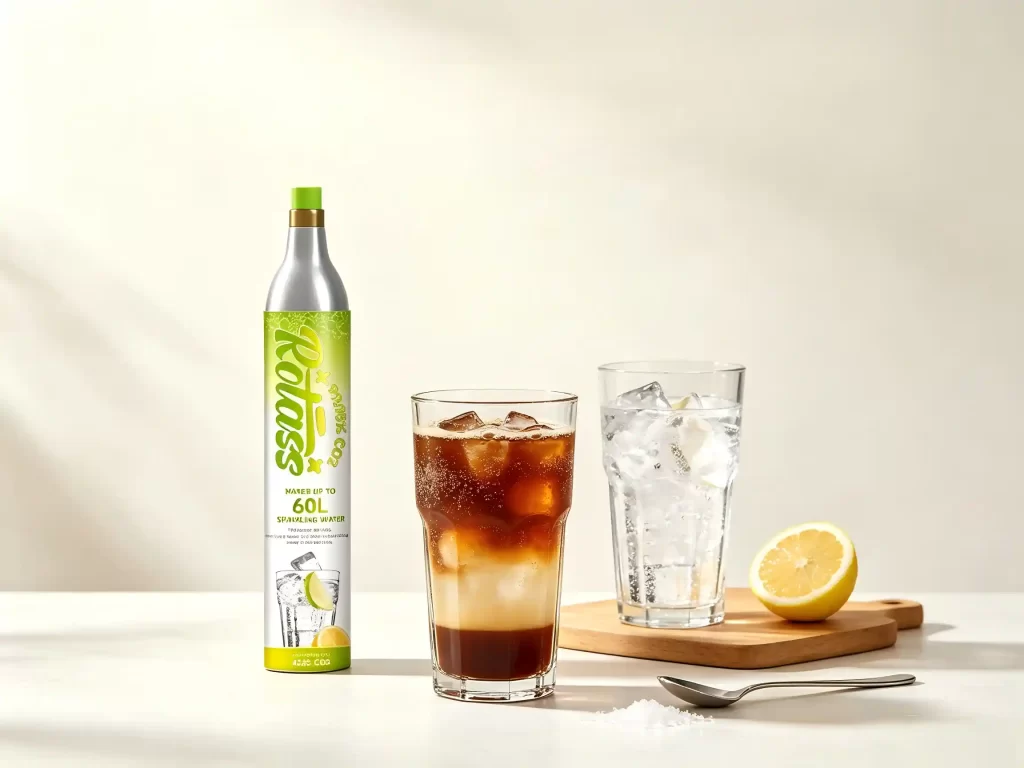
Rotass supplies food-grade CO₂ products for beverage applications, including CO₂ carbonators and cartridges. Its 60L CO₂ carbonator, for example, is listed with 99.95% purity food-grade CO₂.
So, Is Sparkling Water Good for Coffee?
Sparkling water is not a universal replacement for regular coffee brewing water. For traditional hot coffee, there is usually little reason to choose it, since much of its carbonation will disappear when heated.
But for cold brew, espresso-based refreshments, iced coffee, and other specialty drinks, carbonation can be worth exploring. It changes the mouthfeel, adds a refreshing sensation, and can create an interesting contrast with coffee’s natural flavors.
The most important point is that carbonation should support the coffee rather than cover it up. Start with a balanced coffee, use chilled sparkling water, and adjust the ratio to suit the drink.For cafés and beverage businesses, the same principle applies on a larger scale: the right gas depends on the application. CO₂ is used when carbonation is the goal, while N₂O has different uses in foaming and food preparation. Choosing food-grade gas from a supplier that can provide appropriate product specifications is an important part of maintaining consistent beverage quality.
Contact us now, and we’ll get back to you within minutes.