2026 / 11 / 23
Which Non-Beer Alcoholic Beverages Are Trending in 2026?
Table of Contents
Beer has long been a popular choice for casual drinking, but it is no longer the only category attracting consumers. Tequila, ready-to-drink (RTD) cocktails, wine-based drinks, and other spirits are gaining attention as drinking habits change. Some consumers are looking for new flavors, while others prefer smaller servings, convenient formats, or drinks suited to a particular occasion.
The shift is also reflected in recent market data. According to IWSR, global beverage alcohol volumes fell by 2% in 2025, marking the third consecutive year of decline. RTDs were the only major category to record volume growth. So, which non-beer alcoholic beverages are worth watching in 2026?
Which Non-Beer Alcoholic Beverages Are Trending Right Now?
Right now, a few non-beer categories are getting real attention. Tequila and other agave spirits keep showing up in Margaritas and Palomas, and people seem more interested in the higher-end and regional stuff than the basic bottles. Ready-to-drink cocktails in cans or bottles are everywhere—basically the “I don’t want to mix anything” option. Wine-based versions are doing well too: canned wine cocktails, spritzers, that kind of easy Sangria. Craft and regional spirits (small-batch stuff, soju, local flavors) have their fans. And hard seltzers plus other light, flavored drinks still pull in people who just want something different from beer.
The growth isn’t even across the board, though. RTD cocktails and the wine-based ones are clearly moving faster, while some of the older categories have slowed down.
Tequila and Agave Spirits
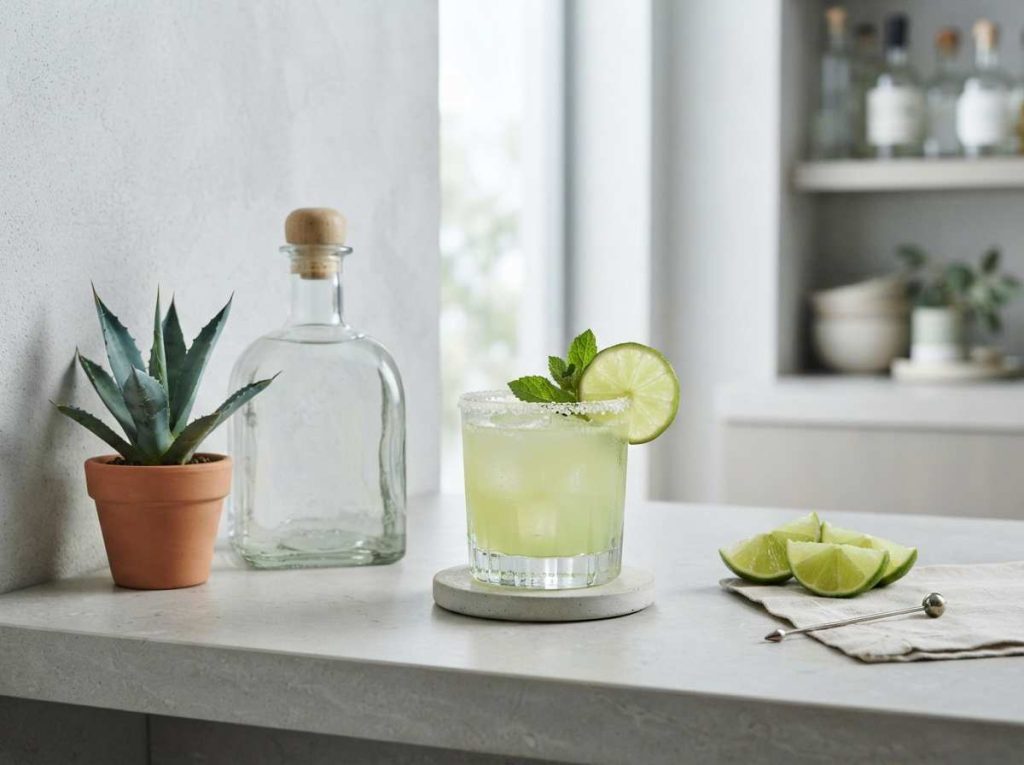
Tequila’s still one of the spirits categories worth keeping an eye on in 2026. People aren’t just drinking it neat or shooting it anymore, it’s become a go-to base for a lot of cocktails, especially the citrusy, fruity ones.
The Margarita’s the obvious example, but the Paloma (tequila mixed with grapefruit soda) has been picking up steam too. Both work just as well on a serious cocktail list as they do at a casual hang.
Mezcal’s getting more attention as well. Most tequila comes from blue Weber agave, but mezcal can be made from a bunch of different varieties. That smoky edge gives it a completely different vibe, which is appealing if you’re looking to try something outside the usual suspects.
According to BCG’s 2026 alcohol market analysis, tequila actually grew its share of the US off-premise market between 2022 and 2025. That’s notable in a market where plenty of older categories have been losing ground.
RTD Cocktails
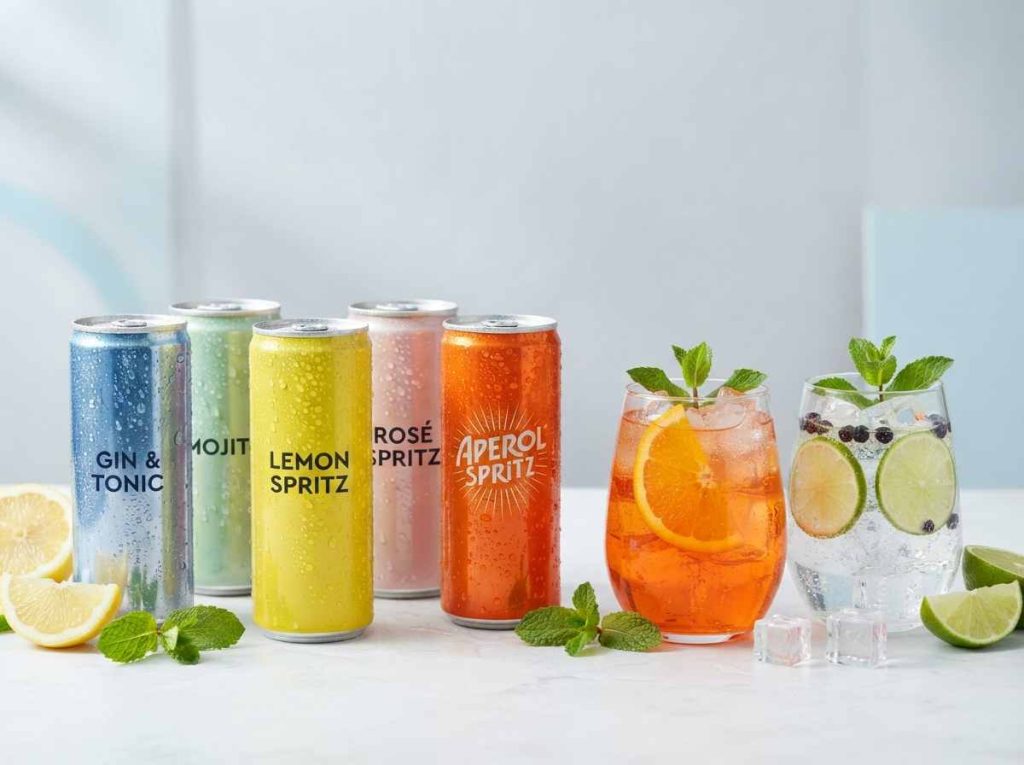
RTD cocktails are one of the clearest bright spots in the drinks market right now. They’re basically pre-mixed cocktails in a can or bottle—no measuring spirits, no hunting down mixers, no shaker required.
You’ll see the usual suspects: canned Margaritas, Mojitos, Moscow Mules, and all kinds of vodka fruit drinks. Tequila versions are showing up more often too, especially ones that lean into Mexican-style flavors.
A big part of the appeal is pure convenience. Grab a can, toss it in a cooler, and you’re set for a picnic, backyard hang, party, or just a low-effort night in. The smaller formats are handy if you just want to try a few different flavors without committing to a bunch of full-sized bottles.
Cost is another factor. Making cocktails at home usually means buying several ingredients, while an RTD is a single, straightforward purchase.
The numbers back it up. BCG found that spirit-based RTD cocktails grew at a 22.6% compound annual rate in US off-premise sales from 2022 to 2025, and picked up 1.7 percentage points of market share along the way.
Wine-Based RTDs and Spritz Drinks
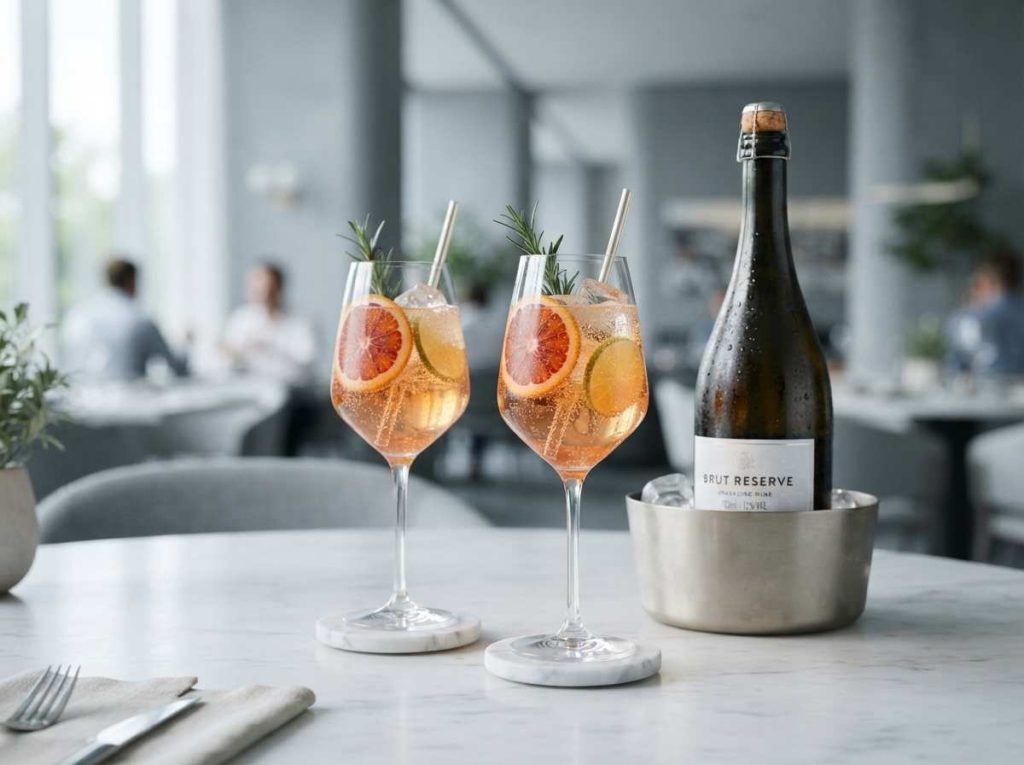
Wine is also finding new ways to reach consumers beyond traditional bottles. Wine-based RTDs, including canned spritzers and pre-mixed wine cocktails, offer a convenient format for people who enjoy wine but want something easier to serve.
Sangria is one familiar example. Made with wine, fruit, and other ingredients, it has also inspired ready-to-drink products in cans and bottles. Wine spritzers are another popular option, combining wine with sparkling water or soda for a lighter, refreshing drink.
The spritz trend has also expanded beyond traditional wine-based recipes. Italian-inspired Aperol Spritz-style drinks, for example, have helped bring sparkling cocktails into more casual settings.
BCG’s analysis found that US wine-based RTDs recorded a 28.1% compound annual growth rate from 2022 to 2025, although traditional sparkling wine did not experience the same growth.
Craft Spirits and International Alcoholic Drinks
Beyond the big mainstream spirits, more people are looking for drinks with actual character—stuff that tastes distinct and has some regional story behind it.
Craft spirits fit right into that. Small-batch gins, local rums, flavored liqueurs, specialty whiskies—they give you more to choose from than the usual suspects on the shelf. A lot of the appeal comes from the ingredients, how they’re made, or the place they’re from.
International drinks are popping up more too. Soju, the Korean spirit traditionally made from rice or other starches, is pretty well known outside Korea now. It’s usually poured into those little glasses, but the flavored versions and fruit mixes have helped it reach a wider crowd.
Japanese shochu and various herbal liqueurs are in the same boat, they give people something different from the spirits they’ve always known. A lot of that interest just tracks with the broader curiosity around international food and drinking culture.
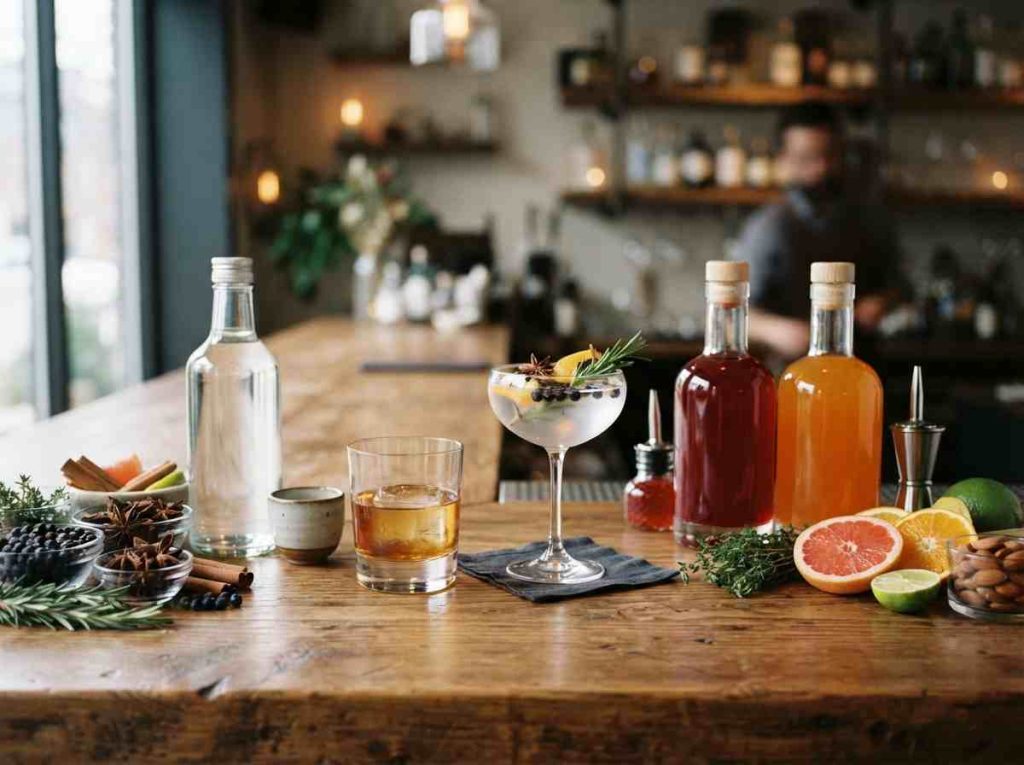
Hard Seltzers and Other Beer Alternatives
Hard seltzers are another popular alternative to beer. Made with carbonated water, alcohol, and flavorings, they are usually light, fizzy drinks sold in cans. Flavored malt beverages (FMBs) are also part of this market. Unlike hard seltzers, they use a malt-based alcoholic base and often contain fruit flavors, sweeteners, and other added ingredients.
It’s worth noting that neither category is necessarily made with spirits. The difference comes down to the alcohol base and how the drink is produced. Hard seltzers and FMBs are generally considered alternatives to traditional beer, rather than types of non-beer spirits.
Their popularity has also shifted in recent years. According to IWSR’s 2026 US RTD analysis, hard seltzer volumes dropped by 8% in 2025, while RTD cocktails grew by 17%. This suggests that consumers are showing more interest in canned drinks with cocktail-style flavors, rather than simply switching from beer to other carbonated alcoholic beverages.
Low-ABV and Non-Alcoholic Alternatives
Not everyone wants a stronger drink. Some prefer something lighter, while others are cutting out alcohol entirely.
Low-ABV cocktails offer a good middle ground. They use less alcohol than standard cocktails, often through smaller spirit servings, lighter mixers, or lower-alcohol ingredients. The familiar cocktail flavors are still there, just with less alcohol.
Non-alcoholic spirits, alcohol-free wine, and mocktails are also becoming easier to find in bars, restaurants, and supermarkets. They give people more choices when they want to enjoy a drink without consuming alcohol.
IWSR has also highlighted no- and low-alcohol beverages as a growing part of the drinks market. More consumers are paying attention to how much they drink and choosing beverages that better suit their preferences.
What Is Driving Non-Beer Alcoholic Beverage Trends?
People are drinking a bit more carefully these days. Some are cutting back overall, while others just switch up what they order depending on the occasion.
Flavor preferences have shifted too. Fruit-forward cocktails, agave spirits, Asian drinks, and regional specialties give people more to choose from than the same old beer and standard spirits.
Convenience and the smaller formats have been a big boost for RTDs. You can grab a ready-made cocktail without buying a bunch of ingredients or standing around mixing anything.
Price still matters, of course. Some people stick to the affordable single-serve options, while others are happy to spend more if the flavor or ingredients feel special.
Frequently Asked Questions
What Is the Most Popular Alcoholic Drink Besides Beer?
Tequila is one of the most popular alcoholic drinks besides beer, particularly in the spirits market. RTD cocktails are also gaining popularity, especially among consumers looking for convenient, ready-to-drink options.
Are RTD Cocktails More Popular Than Hard Seltzers?
Yes, RTD cocktails are currently performing better than hard seltzers in terms of market growth in the US. According to IWSR, RTD cocktail volumes increased by 17% in 2025, while hard seltzer volumes declined by 8%.
Are Non-Alcoholic Drinks Part of the Alcoholic Beverage Market?
No, non-alcoholic drinks are not classified as alcoholic beverages. However, they are often included in broader beverage market discussions because they compete for similar drinking occasions and appeal to consumers seeking alternatives to alcohol.
Send us your requirements and we will get back to you with specifications and pricing.