Share your requirements with Rotass now!
Which Gases Are Used in Food Packaging?
Food packaging helps protect products from contamination and physical damage, but the air inside the package also plays an important role in keeping food fresh. Oxygen can cause oxidation, while certain microorganisms continue to grow under suitable conditions. To slow these processes, food manufacturers often use specific gases to control the atmosphere inside the package.
The three main gases used in food packaging are nitrogen (N₂), carbon dioxide (CO₂), and oxygen (O₂). Nitrogen helps prevent oxidation and protects products from crushing, carbon dioxide slows the growth of certain bacteria and molds, and oxygen is used in some applications to maintain the color of fresh meat and other products.
The right gas depends on the food being packaged, its sensitivity to different gases, and the required shelf life.
What Gases Are Used in Food Packaging?
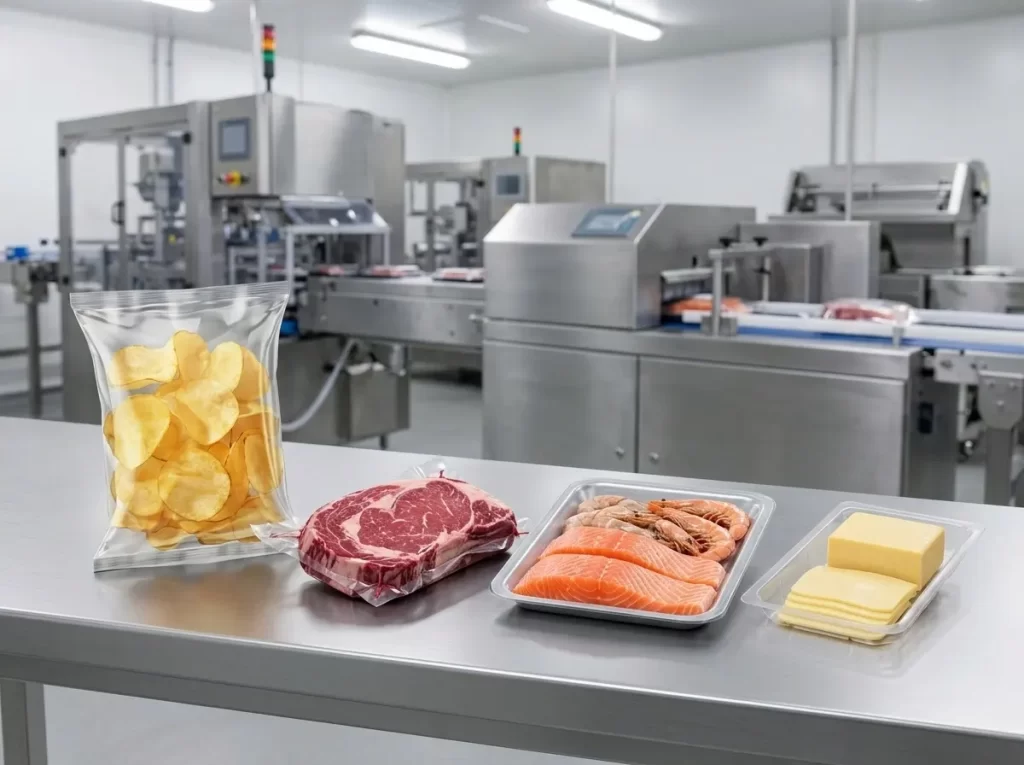
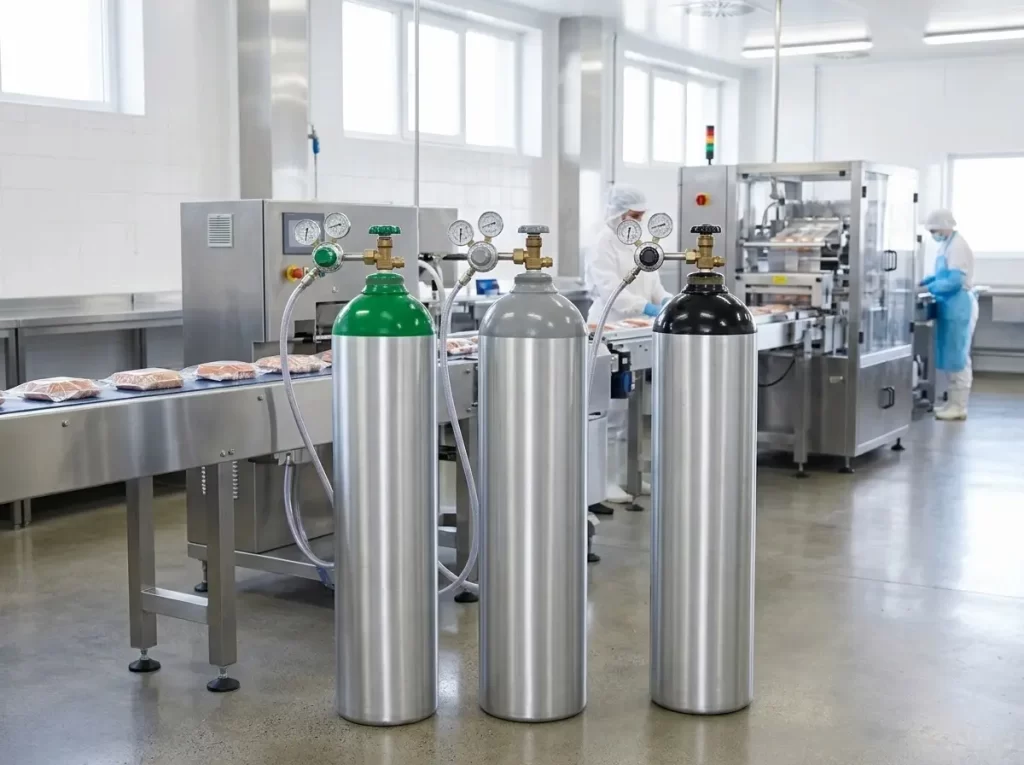
Nitrogen, carbon dioxide, and oxygen are the three main gases used in modified atmosphere packaging (MAP). They can be used separately or mixed in different proportions, depending on the food and its storage requirements.
1. Nitrogen (N₂)
Nitrogen is widely used to package snacks, nuts, coffee, and other dry foods. It is an inert gas under normal packaging conditions and does not readily react with food components.
Its main purpose is to displace oxygen inside the package. Exposure to oxygen can cause fats and oils to oxidize, leading to rancid odors, changes in flavor, and shorter shelf life. Replacing much of the oxygen with nitrogen helps slow this process and maintain product quality.
Nitrogen also helps protect fragile foods from physical damage during transportation. For example, potato chip bags are filled with nitrogen to create a cushioning effect that reduces breakage.
Common applications include:
- Potato chips and other packaged snacks
- Nuts and seeds
- Coffee beans and ground coffee
- Breakfast cereals
- Dried foods and powdered products
2. Carbon Dioxide (CO₂)
Carbon dioxide is mainly used in food packaging to slow the growth of spoilage microorganisms, particularly aerobic bacteria and molds. This helps extend the shelf life of foods that are sensitive to microbial activity.
When CO₂ dissolves in moisture on the food surface, it forms carbonic acid and lowers the local pH. This makes conditions less favorable for the growth of certain microorganisms, helping food stay fresh for longer.
However, CO₂ can also dissolve into the food, especially in products with high moisture content. If too much CO₂ is absorbed, the package may shrink or collapse. To prevent this, manufacturers often mix CO₂ with nitrogen, which helps maintain the package’s volume.
Common applications include:
- Fresh meat and poultry
- Fish and seafood
- Cheese
- Certain bakery products
The right CO₂ concentration depends on the type of food and its storage conditions. Too much CO₂ may affect the product’s taste or texture, so the gas mixture needs to be adjusted accordingly.
3. Oxygen (O₂)
Although oxygen can accelerate oxidation and food spoilage, it is sometimes deliberately included in food packaging to maintain product quality.
Fresh red meat is one example. A controlled level of oxygen helps preserve the bright red color that consumers associate with freshness. When oxygen levels are low, meat may turn a darker purplish color, even if it is still suitable for consumption.
Fresh fruits and vegetables also need an appropriate oxygen level because they continue to respire after harvest. They take in oxygen and release carbon dioxide. If oxygen levels become too low, anaerobic respiration may occur, leading to fermentation, off-flavors, and other quality changes.
Common applications include:
- Fresh red meat
- Fresh fruits and vegetables
- Certain fresh-cut produce
The required oxygen level varies by product. Unlike nitrogen, which is mainly used to displace oxygen, oxygen must be carefully controlled to balance product quality and shelf life.
Why Is Nitrogen Gas So Widely Used in Food Packaging?
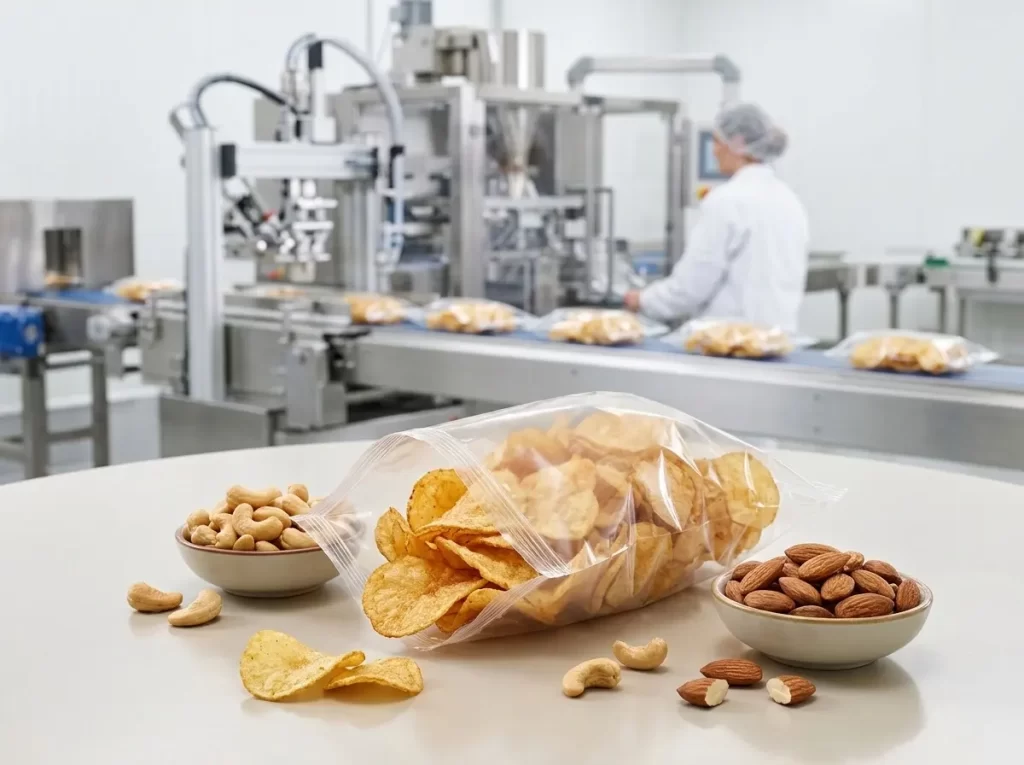
Nitrogen is widely used in food packaging because it helps limit oxygen exposure without reacting easily with most food products. It is also poorly soluble in food, making it suitable for filling sealed packages and maintaining their internal volume. Food manufacturers mainly use nitrogen for three reasons.
1. Reduces Oxidation
Oxygen reacts with fats and oils in food, which can cause rancid flavors, unpleasant odors, and a decline in quality.
Replacing most of the oxygen inside a package with nitrogen slows these reactions. This is particularly useful for foods rich in unsaturated fats, such as nuts, potato chips, and roasted coffee beans.
2. Protects Fragile Foods from Breakage
Nitrogen also acts as a cushioning gas in flexible packaging. It fills the space inside the package, helping keep fragile products from being crushed during storage and transportation.
Potato chips are a familiar example. The nitrogen-filled space inside the bag helps reduce breakage during handling and delivery.
3. Helps Preserve Flavor and Freshness
By limiting oxygen exposure, nitrogen helps slow changes in a food’s flavor, aroma, and texture. This is especially important for products such as roasted coffee and nuts, where oxidation can gradually affect their characteristic taste and smell.
However, nitrogen alone cannot prevent all forms of food spoilage. Proper temperature control, moisture management, packaging materials, and sealing are also important for maintaining product quality.
Which Gas Is Best for Food Packaging?
The best gas depends on the type of food and what needs to be preserved. Some products need protection from oxidation, while others require control of microbial growth or respiration.
Here are some common gas choices for different foods:
Potato Chips and Nuts: Nitrogen is the preferred choice for most packaged snacks. It displaces oxygen to slow oxidation and provides cushioning to reduce breakage.
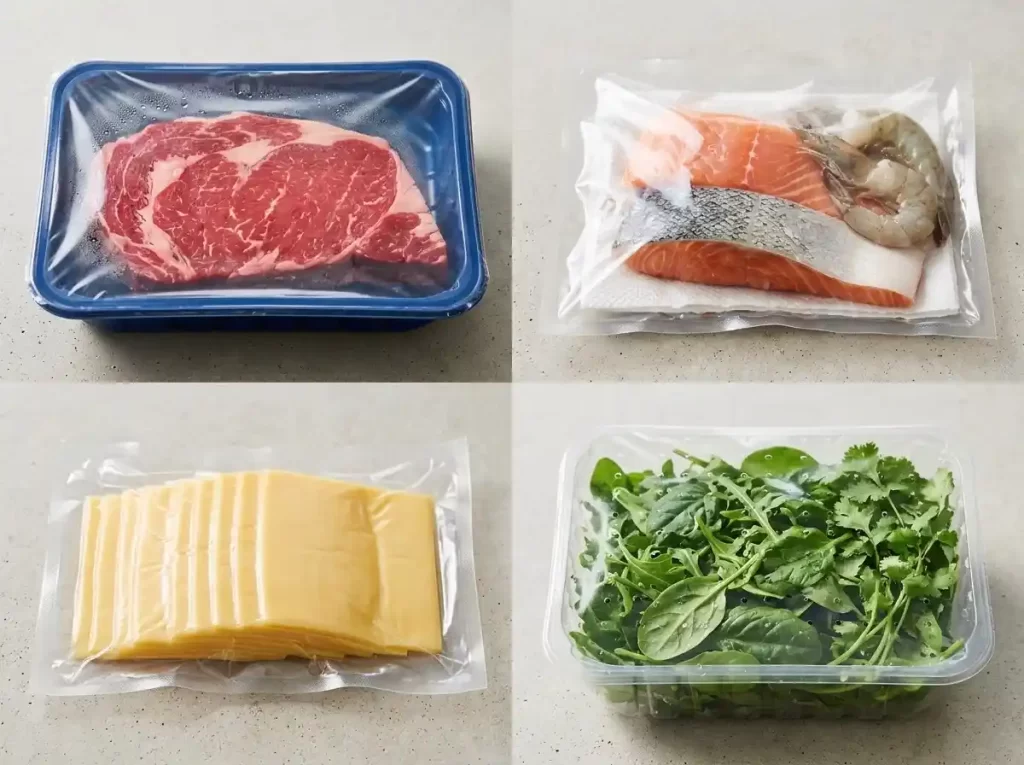
Fresh Meat: A mixture of oxygen and carbon dioxide is often used for fresh red meat. Oxygen helps maintain its bright red color, while carbon dioxide slows the growth of spoilage microorganisms. The exact mixture depends on the type of meat.
Fish and Seafood: Carbon dioxide helps slow bacterial spoilage, while nitrogen is added to maintain package volume. The gas mixture varies with the seafood product and its storage requirements.
Cheese: Carbon dioxide helps control mold and bacterial growth, while nitrogen can be added to balance the gas mixture and prevent the package from collapsing.
Fresh Fruits and Vegetables: Controlled levels of oxygen and carbon dioxide help regulate respiration and slow quality loss during storage.
There is no universal gas mixture for all foods. The right combination depends on the product, its moisture content, storage temperature, and required shelf life.
Frequently Asked Questions About Gases in Food Packaging
1. What Is the Most Common Gas Used in Food Packaging?
Nitrogen is one of the most widely used gases in food packaging, especially for snacks, nuts, coffee, and other dry foods. Carbon dioxide and oxygen are also used in modified atmosphere packaging (MAP), depending on the product.
2. Why Is Nitrogen Gas Used in Food Packaging?
Nitrogen replaces much of the oxygen inside a package, helping slow oxidation and preserve food quality. It also fills the package and cushions fragile products such as potato chips during storage and transportation.
3. Is Nitrogen Gas Safe for Food Packaging?
Yes. Food-grade nitrogen that meets applicable purity and regulatory requirements is widely used in food packaging. It is relatively inert and does not normally affect the taste or smell of food.
However, nitrogen does not replace proper food handling. Hygiene, packaging quality, and suitable storage temperatures are still essential for food safety.
4. Can Carbon Dioxide Be Used Instead of Nitrogen in Food Packaging?
Yes, but the two gases are not interchangeable in every application. Carbon dioxide helps slow the growth of certain spoilage microorganisms, while nitrogen mainly displaces oxygen and helps maintain package volume.
Food-Grade Gas Supply from Rotass
Nitrogen and carbon dioxide are widely used in food packaging, while other food-grade gases serve different purposes in food preparation and beverage applications. For businesses sourcing these gases, choosing a supplier with suitable products and supply options is just as important as selecting the right gas.
As a leading gas supplier and manufacturer in China, Rotass specializes in food-grade nitrous oxide (N₂O) and carbon dioxide (CO₂) for commercial food and beverage applications. If you are looking for a food-grade N₂O or CO₂ supplier, contact Rotass to explore our products range and discuss your order requirements.
Contact us now, and we’ll get back to you within minutes.