2026 / 03 / 19
7 Things to Tell Your N2O Manufacturer Before You Place an OEM Order
Table of Contents
Placing an OEM order for food-grade N2O sounds straightforward until the back-and-forth emails start. The manufacturer asks about canister specs, you’re not sure which certification they mean, and three days later you still don’t have a quote.
Most of these delays come from one thing: missing information upfront. This guide covers exactly what your filling manufacturer needs to know before the first call, so you can move faster and avoid surprises later.
1. Product Specifications
This is the foundation of any OEM order. Before anything else, your manufacturer needs to know what they’re actually filling.
Canister size and format
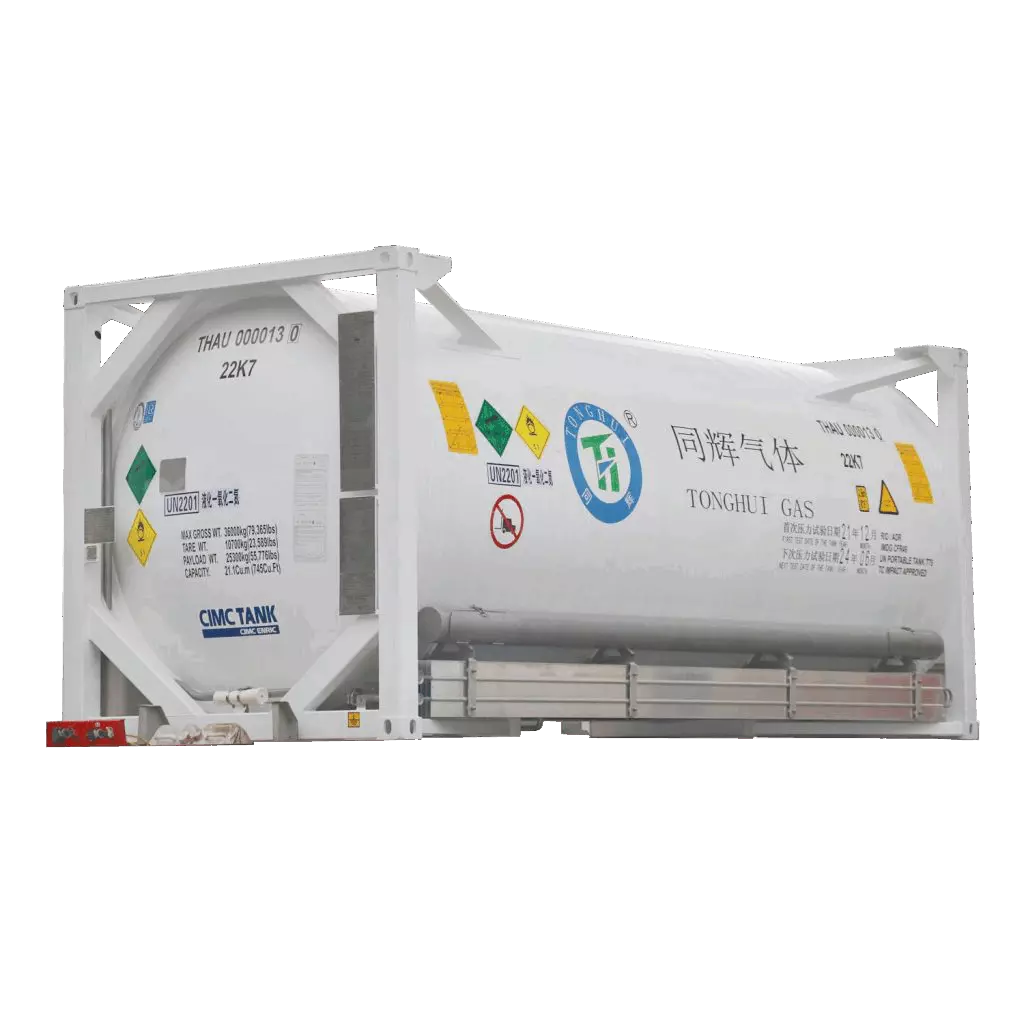
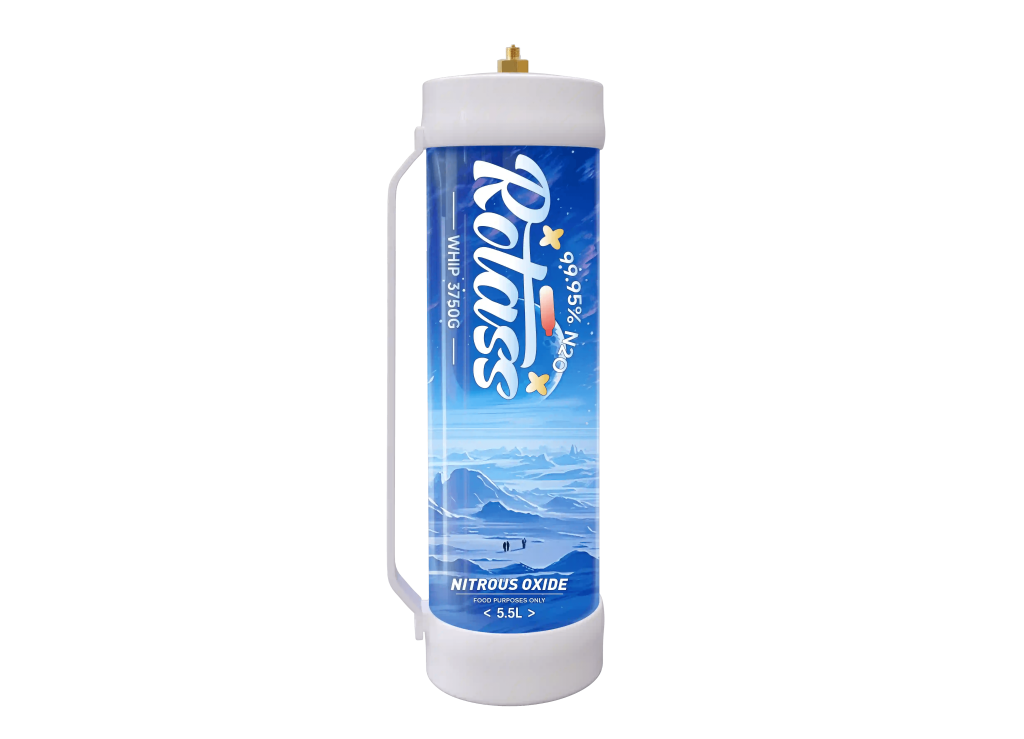
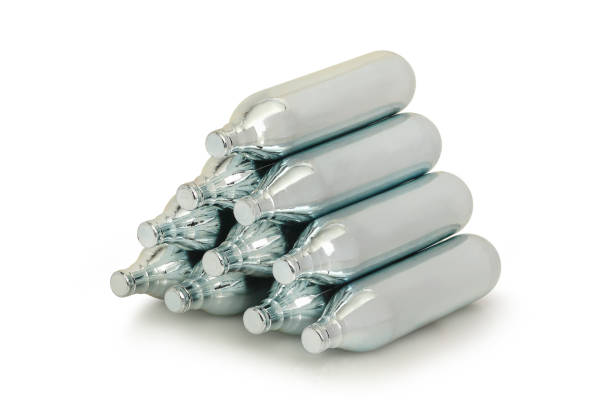
The most common sizes for food-grade N2O are 8g, 580g, and 640g cartridges, along with bulk tanks. Each has different filling equipment requirements, so this isn’t something the manufacturer can assume.
If you’re sourcing the canisters yourself, have the dimensions and valve type ready. If you need the manufacturer to supply them, be clear about your volume expectations, it affects their procurement as much as yours.
Fill weight tolerance
How precise does the fill need to be? A tolerance of ±0.5g is tighter than ±1g, and it affects both equipment calibration and quality control time. For most food applications, ±1g is acceptable, but if your downstream customers are particular about consistency, tighter tolerances may be worth specifying.
Gas purity requirements
Food-grade N2O typically needs to meet 99.9% purity or higher, but the specific standard matters. Common references include:
- E942 (EU food additive standard)
- FDA 21 CFR (US food contact requirements)
- GB standards (China national food safety requirements)
If you’re selling into multiple markets, confirm which standard applies. A product certified under E942 isn’t automatically compliant for the US market, and vice versa.
2. Canister Source
There are two options: you supply the empty canisters, or the manufacturer provides them. Both are common arrangements, but they come with different information requirements.
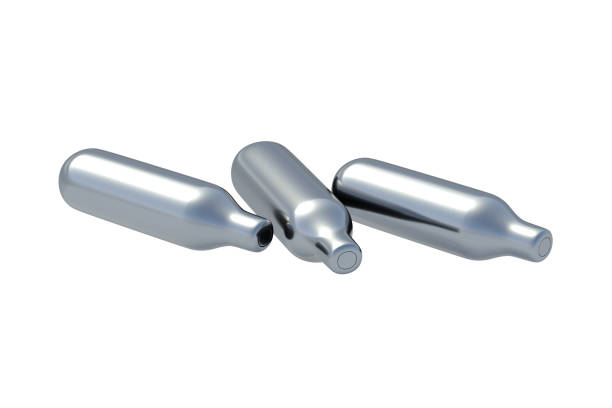
If you’re supplying the canisters
The manufacturer will need documentation to verify the canisters are safe for filling. This typically includes:
- Material certification (confirming food-contact compliance)
- Hydraulic pressure test records
- Filling history, if the canisters have been used before
Don’t assume the manufacturer will accept canisters without this paperwork. If the documentation is incomplete, they may decline the order entirely — not out of inconvenience, but because it’s a liability issue.
If the manufacturer is supplying the canisters
In this case, clarify the certification standard you need. European exports typically require TPED-certified canisters. US distribution usually expects DOT compliance. If you’re shipping to multiple regions, confirm whether you need separate canister stock for each market or whether one certification covers your full distribution footprint.
3. Branding and Packaging
OEM means your brand on the product, so the manufacturer needs to understand exactly what that looks like.
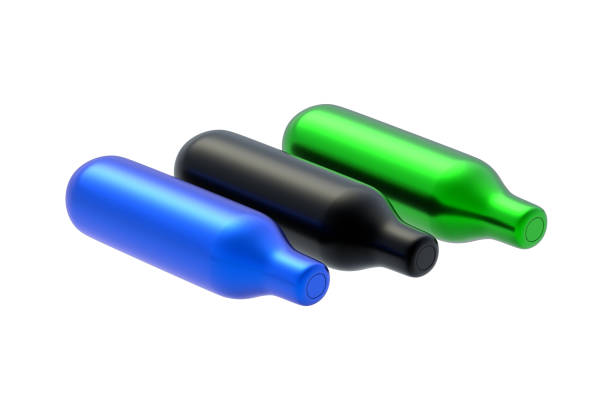
Label and print requirements
The three most common methods are screen printing (directly on the canister), label application, and spray coating. Each has a different minimum order quantity and per-unit cost. If you haven’t decided yet, ask your manufacturer what they support, not all facilities offer all three.
If you’re exporting, multilingual labels are often required. Provide the approved translations early, since label artwork changes near a production deadline tend to cause delays.
Packaging format
How do you want the finished product shipped? Bulk loose, in display boxes, or in retail cartons? Specify box dimensions if you have warehouse or shelf requirements, and confirm whether you need any insert materials including instruction cards, safety notices, etc.
4. Compliance and Documentation
This section is easy to overlook until an order gets held at customs or a buyer requests paperwork you don’t have. It’s worth getting ahead of.
Target market determines your compliance stack
The documentation your manufacturer needs to provide varies depending on where you’re selling. At minimum, most orders require:
- Certificate of Analysis (CoA) — confirming gas purity per batch
- Safety Data Sheet (MSDS/SDS)
- Food contact material declaration
For regulated markets, you may also need HACCP compliance documentation and full production traceability records. If your buyers or distributors have specific audit requirements, collect those requirements before placing the order, not after.
Certifications the manufacturer should hold
It’s reasonable to ask for copies of your manufacturer’s food safety certifications before committing to an order. ISO 22000, FSSC 22000, and HACCP are the most relevant for food-grade gas filling. If a manufacturer is reluctant to share these, that’s worth noting.
5. Order Volume and Delivery Timeline
These two pieces of information directly affect how your order is prioritized and priced.

Minimum order quantities
MOQs vary significantly between manufacturers. Some facilities set their threshold at a few thousand units; others require tens of thousands before they’ll run a custom fill. If you’re testing a new SKU or a new market, ask about sample orders or trial runs.
Projected volume over time
A one-time order is quoted differently than a recurring monthly order. If you can share your expected quarterly or annual volume — even as a rough estimate — manufacturers can offer better pricing and plan capacity accordingly. It also signals that you’re a serious buyer, which matters when production slots are limited.
Lead time and seasonal planning
Production lead times for OEM gas filling typically run 3–6 weeks depending on volume and canister availability. If you have a seasonal peak, you should build that buffer in. Telling your manufacturer in October that you need 50,000 units by December is a difficult conversation to have.
6. Logistics and Storage Requirements
Because N2O is classified as a dangerous good under most shipping frameworks, logistics isn’t just a delivery detail, it’s part of the compliance picture.
Domestic vs. export shipments
For domestic orders, your manufacturer typically handles the necessary dangerous goods documentation. For export, the requirements vary significantly by destination country. Clarify early whether you need the manufacturer’s help with export paperwork, or whether you have a freight forwarder handling that side.
Storage conditions at your end
Food-grade N2O should be stored in ventilated, temperature-controlled environments away from heat sources. If your facility has any non-standard conditions — limited ventilation, high ambient temperatures, or restricted access requirements, please let the manufacturer know. It may affect how they package or label your shipment.
7. Quality Control Expectations
How much oversight do you want over the production process? This is worth deciding before the order, not during a dispute.

On-site inspection vs. documentation review
Some buyers want the option to visit the facility before or during production. Others rely entirely on batch records and third-party testing. Either approach is valid, but your manufacturer needs to know which you prefer, and whether you’ll require advance notice of production runs.
Sampling and rejection procedures
Agree upfront on the acceptable quality level (AQL) for sampling, typically expressed as a percentage of units inspected per batch. Also agree on what happens when a batch doesn’t pass: does the manufacturer rework and reship, or issue a credit? Having this in writing before the first order avoids a lot of friction if something goes wrong.
The more clearly you can describe what you need such as the format, the market, the volume, the timeline, the more accurately a manufacturer can match their capabilities to your requirements. And if there’s a gap, you find out before production rather than during it.If you’re evaluating N2O filling partners and want to understand what a complete OEM specification looks like in practice, feel free to reach out. We work through this process with buyers regularly, and we’re happy to share what a well-structured order looks like from our side.