
Share your requirements with Rotass now!
Beer Carbonation System: Complete Guide to CO2 Chargers (2026)
Getting carbonation right is one of those things that separates a good beer from a great one. Too flat and the beer feels lifeless. Too fizzy and it’s all foam with very little flavor. The good news? With the right beer carbonation system, this part of the process is far more controllable than most people expect.
This guide focuses on CO2 chargers — what they are, which size to use, how pressure affects your results, and why they tend to be the most practical choice for home setups.
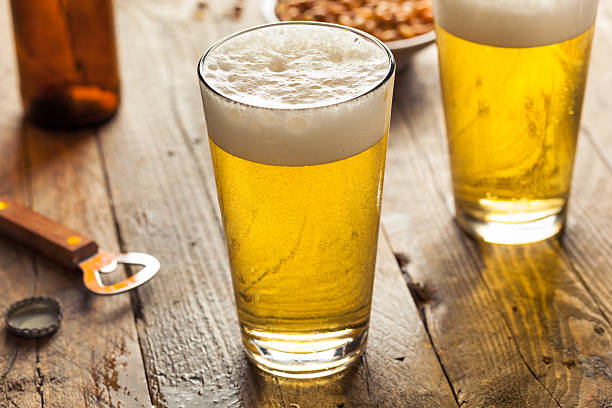
Types of Beer Carbonation Systems
There are three main ways to carbonate beer:
| Method | Pros | Cons | Best For |
| Natural carbonation | Low cost, traditional | Slow, inconsistent | Traditional homebrewers |
| CO2 tank system | Precise, high volume | Bulky, expensive setup | Breweries, bars |
| CO2 charger | Compact, easy to use, affordable | Best for small batches | Home use, homebrewing |
Natural carbonation relies on residual yeast to produce CO2 inside the bottle — it works, but it takes weeks and the results vary batch to batch. CO2 tank systems give you full control, but they’re better suited to commercial operations. CO2 chargers sit in the middle: accessible, straightforward, and requiring no dedicated infrastructure.
If you want to understand the full range of applications for CO2 cartridges in brewing, our earlier guide covers that in detail →
CO2 Charger Sizes — Which One Do You Need?
This is where a lot of people get stuck. CO2 chargers come in different sizes, and picking the wrong one means either under-carbonated beer or unnecessary cost.
8g vs 16g vs 33g CO2 Chargers
| Size | Compatible Devices | Approximate Yield |
| 8g | Single bottles, portable carbonators | ~1–2 liters |
| 16g | Mini kegs, small home dispensers | ~2–4 liters |
| 33g | Home kegerators, larger containers | ~5 liters+ |
The 8g charger works well for single-serve situations — portable carbonators or capping individual bottles. The 16g is the most common choice for homebrewers using mini kegs or small draft setups. If you’re running a larger home kegerator, the 33g covers the job without needing multiple cartridges.
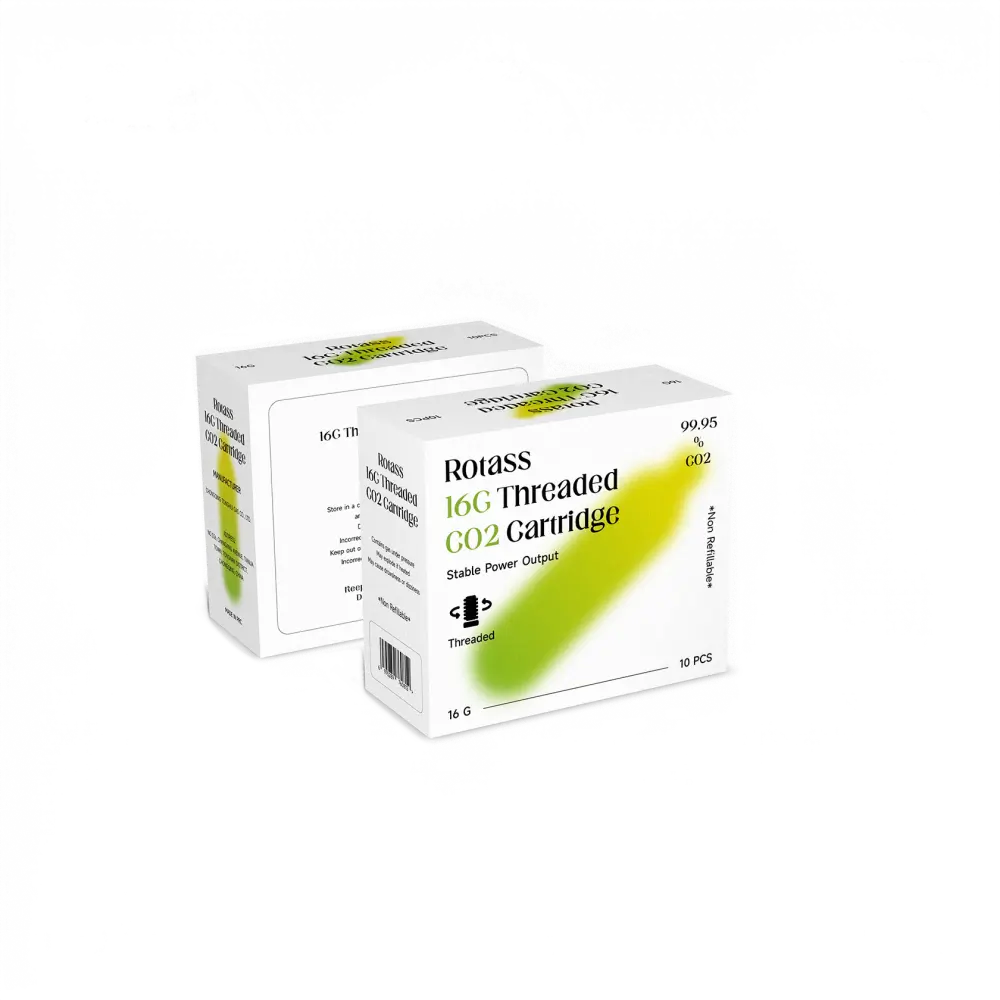
99.95% purity · OEM · Low MOQ · Local delivery
Threaded vs Non-Threaded CO2 Chargers
Beyond size, check the connection type. Threaded chargers screw directly into the regulator for a secure seal — standard on most modern dispensers. Non-threaded chargers use a puncture-style mechanism, more common in older or simpler equipment.
Always check your device’s manual before ordering. Using the wrong type wastes CO2 and can damage the regulator.
Browse our range of threaded and non-threaded CO2 chargers →
Beer Carbonation Pressure — The Key to Getting It Right
CO2 chargers don’t come with a pressure dial, but that doesn’t mean pressure stops mattering. The amount of CO2 that actually dissolves into your beer depends on two things — temperature and the volume of gas introduced. Get either wrong and the result won’t match what you were going for.
How Temperature Affects CO2 Absorption
Cold beer absorbs CO2 faster and holds more of it. According to Brewer’s Friend carbonation charts, carbonating at 2°C versus 12°C requires a noticeably different amount of CO2 to reach the same carbonation level.
The practical takeaway: always chill your beer before carbonating. Get it down to 2–4°C and let it rest for a few hours first. This one step alone makes a measurable difference in consistency.
Recommended Carbonation Levels by Beer Style
Different styles call for different levels of carbonation, measured in volumes of CO2. Here’s a useful reference:
| Beer Style | Carbonation (volumes CO2) | Recommended Temp |
| Lager | 2.4 – 2.6 | 2°C |
| IPA | 2.2 – 2.5 | 2°C |
| Stout | 1.8 – 2.2 | 2°C |
| Wheat Beer | 2.8 – 3.2 | 2°C |
Wheat beers need more CO2; stouts need less. If your homebrew is consistently coming out flat, the issue is often lower carbonation volume rather than anything wrong with the beer itself. If it’s pouring as mostly foam, the beer was probably too warm when charged, or it was over-carbonated.
For a deeper look at carbonation volumes and what affects them, the American Homebrewers Association has solid reference material worth bookmarking.
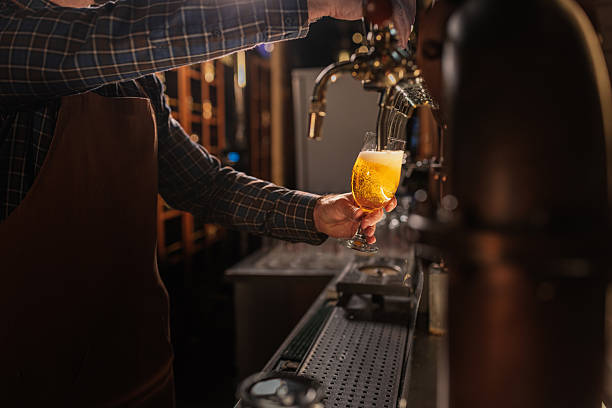
How to Carbonate Beer with a CO2 Charger
- Chill your beer to 2–4°C
- Fill your keg or container, leaving minimal headspace
- Attach the CO2 charger and release the gas slowly
- Shake gently to help CO2 dissolve into the liquid
- Let it rest for several hours before serving
Getting these steps in the right order matters more than most people realize — skipping the chill step is the single most common reason carbonation doesn’t hold.
Related reading: How to Carbonate Beer with CO2 Chargers
CO2 Charger vs CO2 Tank — Which Makes More Sense?
If you’ve looked into carbonation systems at all, you’ve likely come across full-size CO2 tanks. They’re standard in most bars and commercial breweries, and for good reason — they hold a large volume of gas and offer precise pressure control through a regulator.
That said, for home use, they’re often overkill.
| CO2 Charger | CO2 Tank | |
| Upfront cost | Low | High |
| Portability | High | Low |
| Best for | Small batches, home use | Commercial / high volume |
| Maintenance | Minimal | Regular |
If you’re carbonating a few liters at a time and don’t want to deal with refilling or storing large cylinders, CO2 chargers are the more practical route. They’re easier to store, require no specialist equipment, and the cost of entry is much lower.
Final Thoughts
Also, one question that comes up regularly: can you use the same CO2 charger for beer and soda? The short answer is — it depends, and the differences between the two are worth understanding before you assume they’re interchangeable.
We’re covering this topic in full detail soon. Stay tuned!
A beer carbonation system doesn’t have to be complicated. For most home setups, the right CO2 charger size combined with a properly chilled beer gets you consistent, reliable results — without a lot of equipment or guesswork involved.
Keep the core variables in mind: match the charger size to your container, chill the beer before carbonating, and adjust the carbonation level to suit the style you’re making. That’s really most of what you need to get it right.
Ready to get started? Browse our food-grade CO2 chargers →
FAQ
How many CO2 chargers do I need to carbonate a keg?
It depends on the keg and charger size. A standard 5L mini keg typically needs one 33g charger or two 16g chargers to reach proper carbonation levels.
What size CO2 charger is best for homebrewing?
The 16g charger covers most homebrew setups. If you’re working with a larger kegerator, go with 33g.
What is the ideal pressure for carbonating beer at home?
Rather than targeting a specific PSI, focus on temperature and the CO2 volume appropriate for your beer style. The table above is a practical starting point.
Can I use a soda CO2 charger for beer?
Only if it’s food-grade certified. Always check the product specifications before using any CO2 charger with a beverage.
How long does it take to carbonate beer with a CO2 charger?
With the beer properly chilled, you’ll have reasonable carbonation within a few hours. For best results, allow 12–24 hours before serving.
Chat with us on Whatsapp, we’ll sort you out in minutes.