Share your requirements with Rotass now!
Rotass Cream Charger Not Working? 7 Common Problems & How to Fix Them
You’ve loaded your Rotass cream charger, screwed everything in, pressed the lever — and nothing happens. Or maybe you get a hiss, a little splutter, and cream that comes out thin and sad.
Before you assume the product is defective, it’s worth knowing that the majority of issues reported with cream chargers — regardless of brand — trace back to a small set of fixable causes: a missed step during setup, a worn gasket, or a clogged nozzle. The Rotass charger itself is built to a consistent standard, and outright failures at the hardware level are uncommon.
This guide walks through the seven most common problems, what’s causing each one, and the exact steps to fix them.
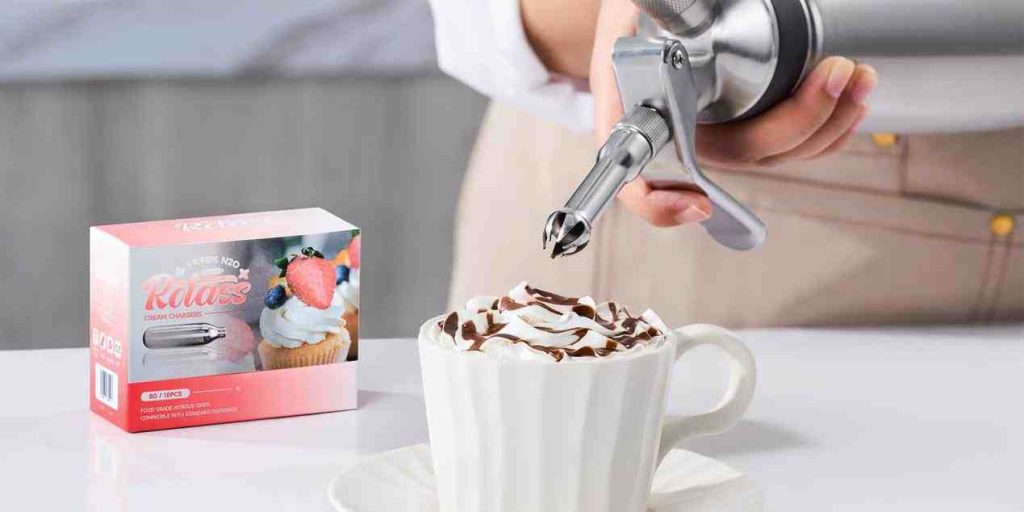
Before You Start: Run Through This Checklist
It sounds basic, but a surprising number of issues disappear once you go back to the fundamentals. Run through these five points first if any of them is the culprit, you’ll save yourself a lot of unnecessary troubleshooting.
- The charger is screwed in until you hear or feel the gas release (a short hiss)
- The dispenser head is tightened all the way down not just finger-snug
- Your dispenser is compatible with standard N2O chargers (most are, but check your model)
- The charger hasn’t been stored in a hot or humid environment for an extended period
- The cream inside doesn’t exceed the MAX fill line on the bottle
If you’ve confirmed all five and things still aren’t working, one of the seven problems below is almost certainly the cause.
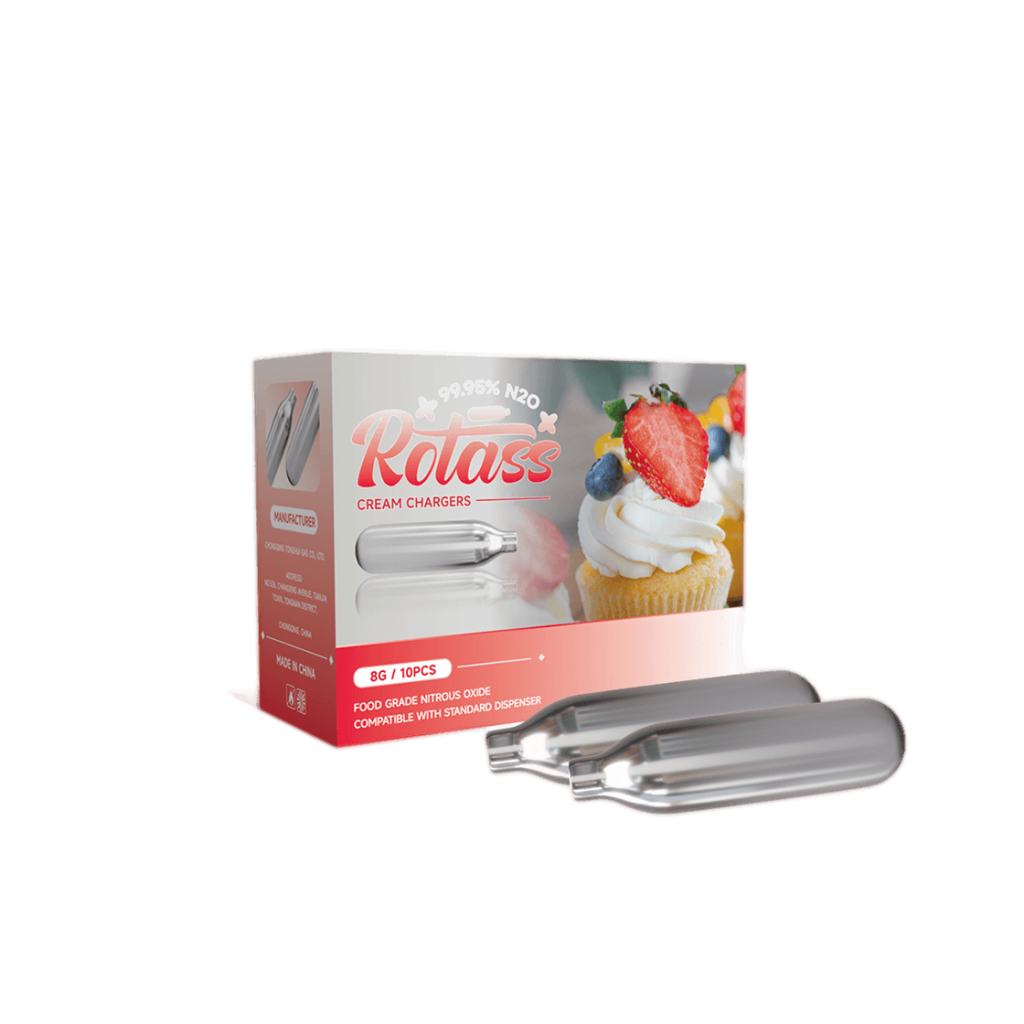
99.95% purity · OEM · Low MOQ · Local delivery
The 7 Most Common Problems — and How to Fix Them
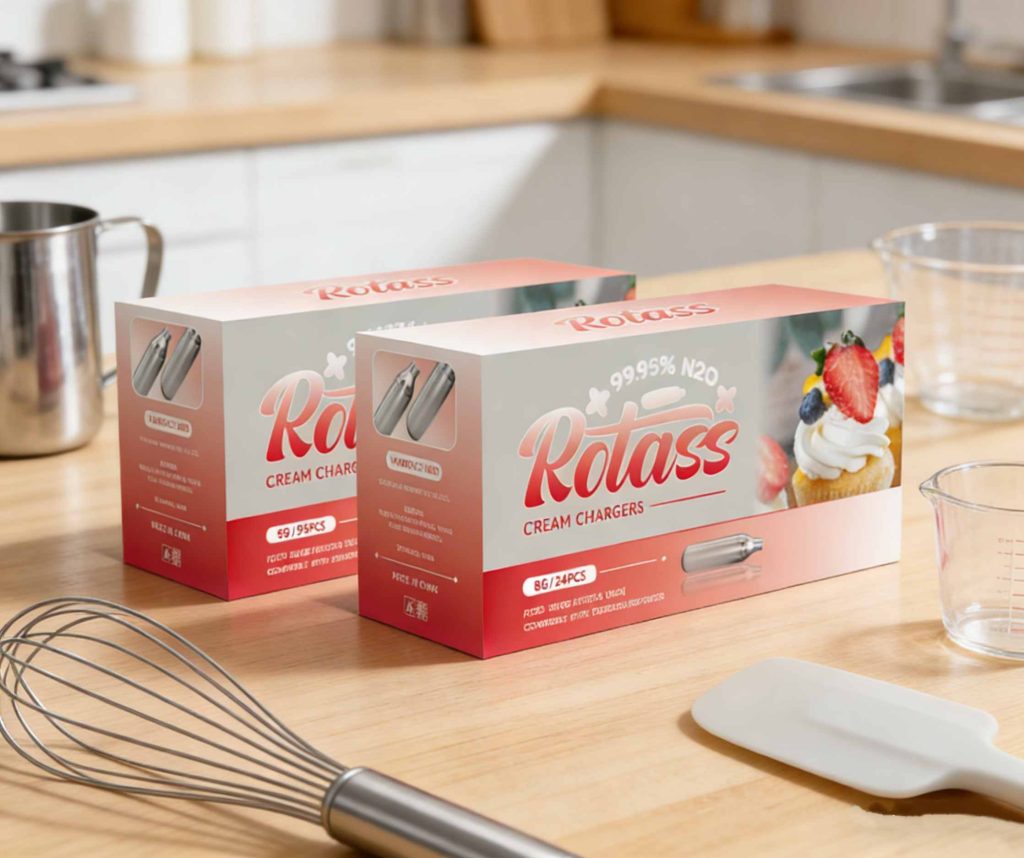
No gas released at all
You screw in the charger, but there’s no hiss and no pressure builds in the bottle. The charger either hasn’t been pierced properly, or the piercing pin is blocked.
How to fix it
- Unscrew the charger holder completely and remove the charger.
- Check the piercing pin inside the holder for any dried cream or debris. If you see buildup, rinse it under warm water and use a thin brush or toothpick to clear the channel.
- Insert a new charger and screw the holder back in slowly and firmly. You should hear a brief hiss as the pin pierces the seal.
Note: The hiss lasts about one second. If you hear it, gas has entered the bottle, that’s normal not a leak.
Gas is leaking from the side or joint
You can hear gas escaping from somewhere other than the nozzle, it usually around the charger holder or the head-to-bottle connection. This almost always points to a damaged or misaligned gasket (the small rubber seal that creates an airtight fit).
How to fix it
- Release any remaining pressure by pressing the dispenser lever before disassembling anything.
- Remove the dispenser head and locate the gasket. It’s the small rubber ring sitting in the groove at the top of the bottle.
- Check whether it’s cracked, flattened, or sitting off-centre. If it looks worn, replace it. Replacement gaskets are inexpensive and available from Rotass directly or most kitchen supply stores.
- Reseat the gasket properly and reassemble. Test with a new charger.
According to NFPA guidelines on compressed gas handling, pressurised cylinders should never be used if a leak is suspected at the valve or seal. Release pressure and inspect before proceeding.
Cream comes out watery or won’t whip
The charger works, gas enters the bottle, but the cream that comes out is thin and liquid — nowhere near the texture you’d expect. This is almost never a charger problem. It’s a cream problem.
What to check
- Fat content: Cream needs to be at least 35% fat to whip properly under N2O. Single cream or half-and-half won’t work. Check the label, you want double cream or heavy whipping cream. Food science research confirms that fat globule structure is essential for foam stability.
- Temperature: Cold cream whips significantly better. The bottle, the cream, and ideally the dispenser itself should all be chilled before use.
- Number of chargers: For a 0.5L bottle, one charger is standard. For a 1L bottle, use two chargers for consistent pressure and texture.
If you’re using the dispenser for non-cream applications (infusions, foams), you may need to adjust ratios. The same rules don’t always apply.
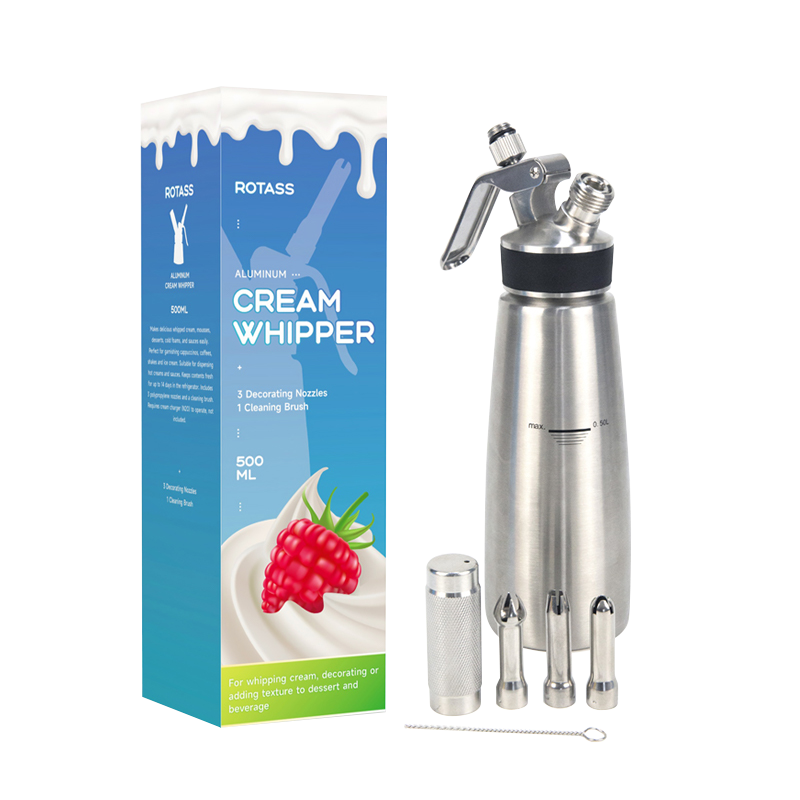
Aluminum material · 1 piece MOQ · 7-Day Fast Delivery
Nozzle is clogged — cream won’t dispense
There’s pressure in the bottle, but pressing the lever does very little — just a weak dribble or nothing at all. The nozzle or the dispensing tube inside has dried cream blocking the flow.
How to fix it
- Release the remaining pressure first by gently pressing the lever away from any surfaces.
- Remove the nozzle and soak it in warm water for 5–10 minutes. Most blockages dissolve on their own.
- Use a thin bottle brush or a pipe cleaner to clear the channel if soaking alone doesn’t do it. Avoid metal tools that might scratch the interior.
- Rinse thoroughly and reassemble.
Have a good habit: After every use, hold the dispenser upside down and press the lever to clear residual cream from the tube before it dries. It takes about five seconds and saves a lot of cleaning effort later.
Charger was pierced but bottle has no pressure
You heard the hiss when the charger was pierced, but when you press the lever, the cream doesn’t come out with any force or doesn’t come out at all. This suggests the charger was either empty or near-empty before it was used.
How to fix it
- Try a second charger. If the bottle pressurises normally this time, the first charger was defective or had already partially discharged, this can happen if a batch was stored improperly during shipping.
- If multiple chargers from the same pack show the same issue, contact Rotass customer support with your order details. Consistent failures within a batch are uncommon but can happen, and the team can arrange a replacement.
Don’t try to weigh the charger to check if it’s full, the difference is small and hard to feel by hand. Trust the pressure test instead.
Dispenser head is stuck or hard to unscrew
The head won’t come off the bottle easily — either it’s been overtightened, or cream has dried and set in the threads, essentially gluing it in place.
How to fix it
- Make sure all pressure has been released before attempting to unscrew the head.
- Run warm water over the joint area for 30–60 seconds to soften any dried residue.
- Apply steady, even turning force rather than jerking. If it remains stuck, let it soak for a few minutes longer.
Do not use tools like pliers directly on the dispenser head — they will damage the surface and potentially deform the seal groove, making future leaks more likely.
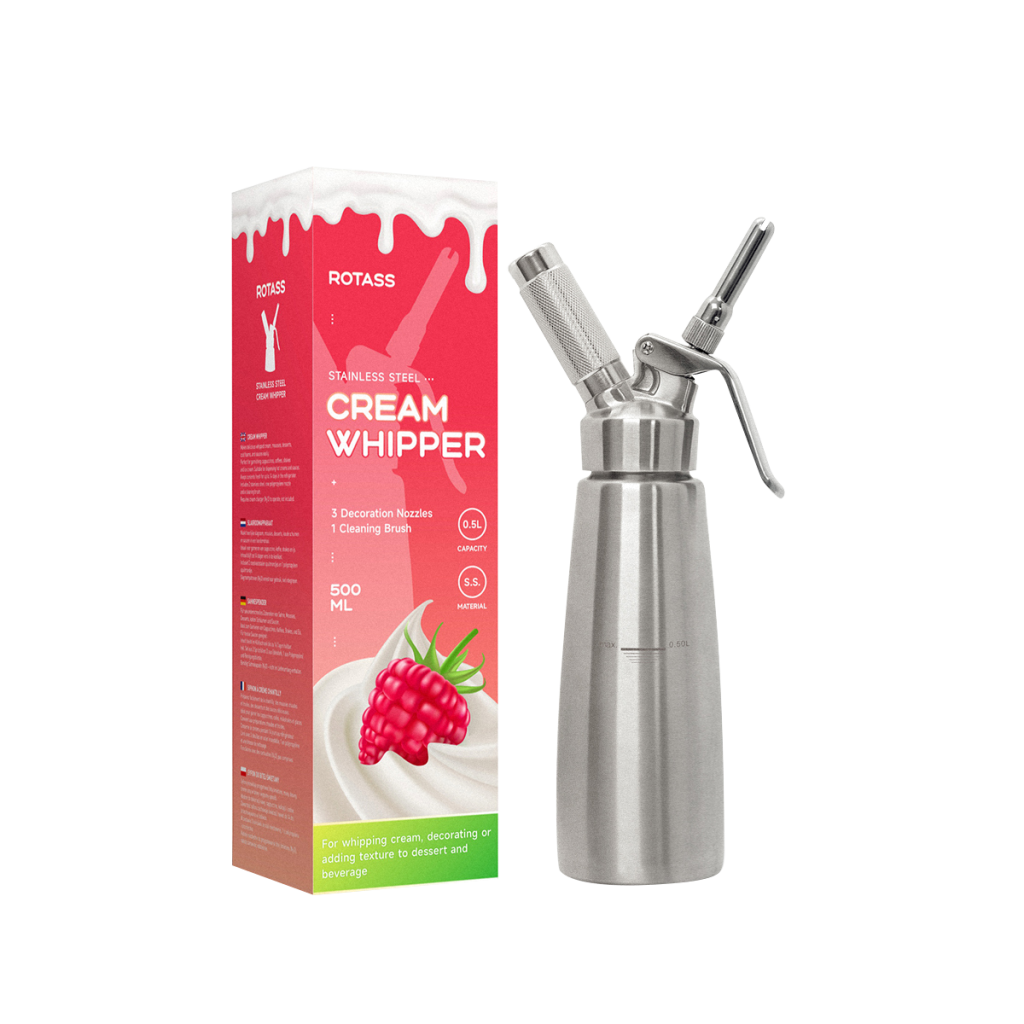
Food grade material · Compatible · No MOQ · Multiple Capacities
Worked fine the first time, stopped on the second charge
The first charger worked perfectly, but when you add a second one (for a larger bottle), there’s no additional pressure. The most likely cause is that the first charger’s gas wasn’t fully incorporated before adding the second or the gasket shifted slightly during the first cycle.
How to fix it
- After charging for the first time, shake the bottle 2–3 times before adding a second charger. This helps the gas mix into the cream and stabilises the internal pressure.
- Before inserting the second charger, quickly check that the gasket hasn’t moved out of its groove.
- Screw in the second charger holder firmly and listen for the hiss again.
Tip: For 1L dispensers, adding both chargers back-to-back (before shaking) works well too — just make sure the head is fully tightened before the second charge.
How to Keep Your Rotass Charger Working Properly?
None of the problems above are hard to fix but a small amount of regular maintenance means most of them won’t come up in the first place. Here’s what actually makes a difference.
FAQs
Can I reuse a Rotass cream charger?
No. Each Rotass charger is designed for single use. Once the seal is pierced and the gas is released, the charger is empty. Attempting to refill or reuse it is not safe and will not work.
Why does my cream have a slightly metallic or off taste?
This is rare with food-grade N2O chargers, but if it happens, it’s worth testing a charger from a different batch. Rotass chargers are manufactured to food-grade standards, meaning the N2O purity should not affect flavour. If the issue persists across multiple batches, check that your dispenser bottle is clean and free of any residue from previous uses.
How do I know if a charger is empty before I use it?
You can’t tell reliably by weight alone, the difference between full and empty is small. The practical test is to load it: if the bottle doesn’t pressurise after you hear the pierce, the charger was empty. If this keeps happening with chargers from the same order, contact Rotass.
Is it safe to force open a stuck dispenser head?
No. First, make sure all pressure is released — this is important. Then use warm water to loosen dried residue at the joint. Forcing it with tools risks damaging the threads or gasket groove, which will cause leaks in future uses.
Where can I find replacement gaskets or nozzles for my Rotass dispenser?
Replacement parts are available through Rotass directly and through most kitchen equipment retailers. Make sure you’re ordering the correct size for your specific dispenser model, they’re not always interchangeable across brands.
Can I use Rotass chargers with any whipped cream dispenser?
Rotass chargers use the standard 8g N2O format, which is compatible with the vast majority of whipped cream dispensers on the market. If you’re using a dispenser from a major brand — iSi, Mosa, or similar — it should work without any issue. Where compatibility sometimes breaks down is with very low-cost, off-brand dispensers that have inconsistent thread sizing.
Contact us now, and we’ll get back to you within minutes.