2026 / 11 / 19
Are Whipped Cream Dispensers Safe to Use? What Beginners Should Know
Table of Contents
If you usually make whipped cream with a hand mixer, using a dispenser for the first time may take some getting used to. Instead of whipping the cream in a bowl, you pour it into a bottle, insert a gas charger, and release the whipped cream through a nozzle. Since the bottle holds gas under pressure, it is natural to have some concerns about safety.
However, a whipped cream dispenser is made to work under pressure. When used correctly, it should not burst or release gas unexpectedly. Most problems come from using the wrong charger, overfilling the bottle, or handling it incorrectly. Knowing how the dispenser works and what to avoid can make it much easier to use safely.
How Does a Whipped Cream Dispenser Work?
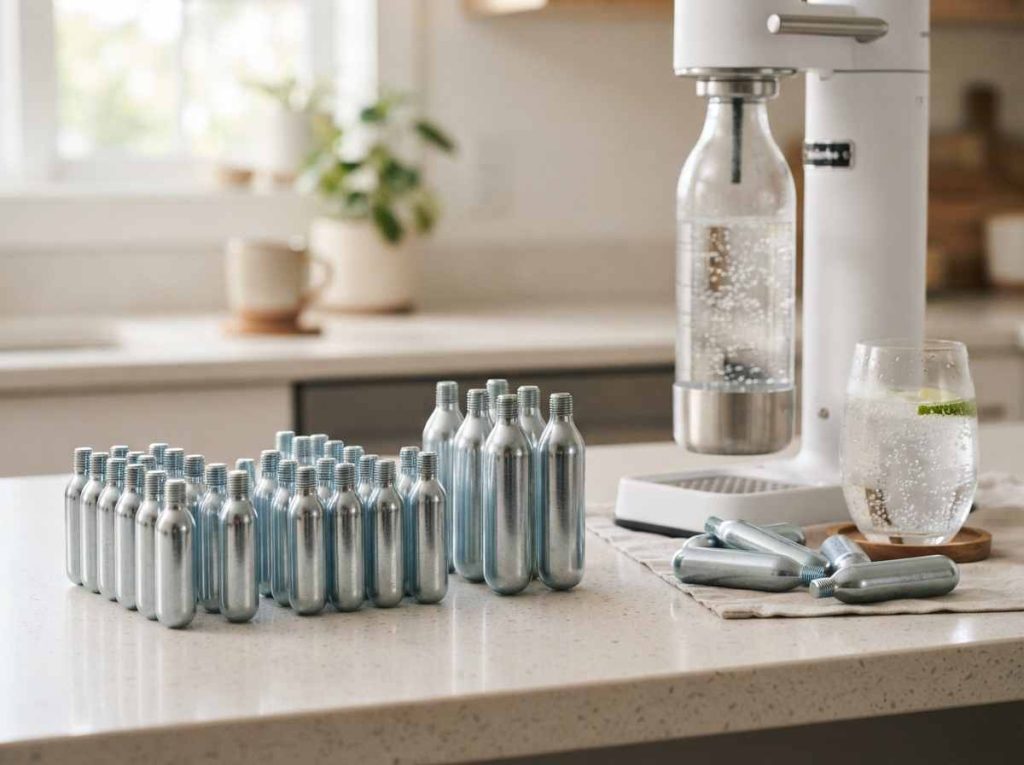
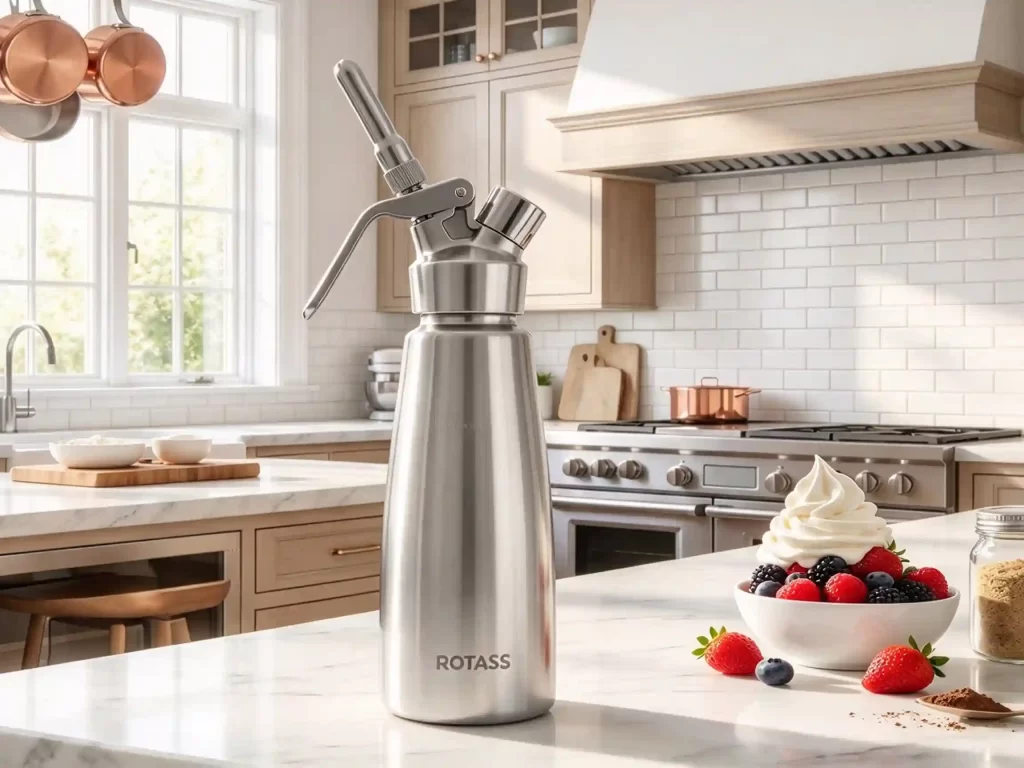
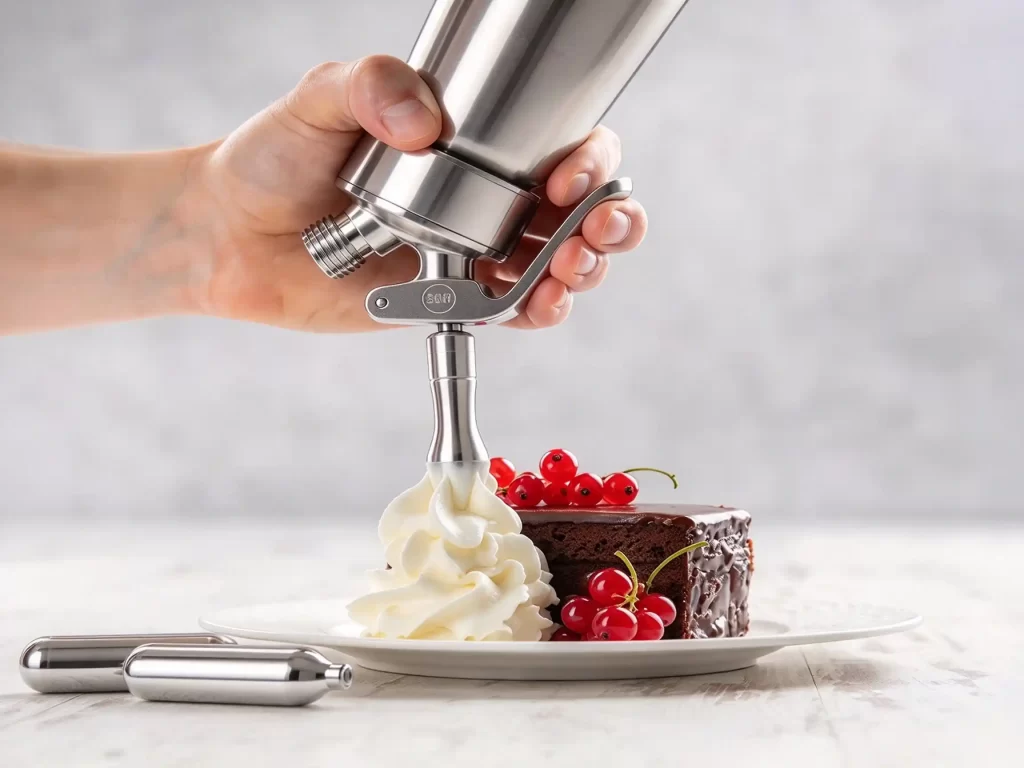
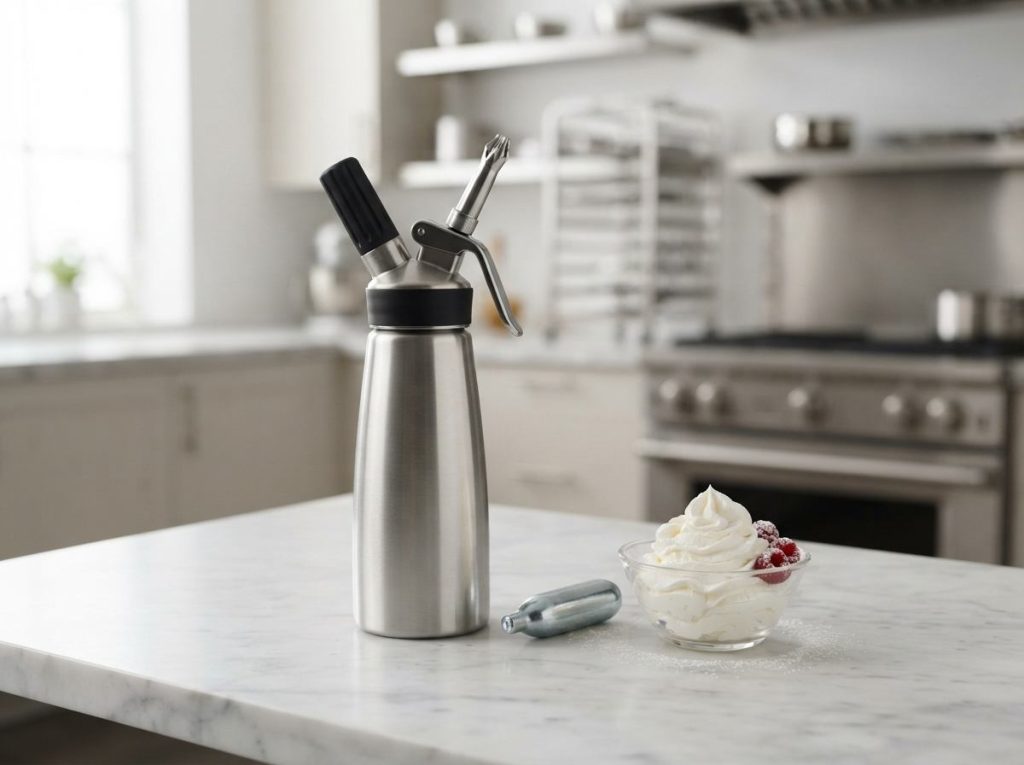
A whipped cream dispenser uses nitrous oxide (N₂O) to turn liquid cream into whipped cream. It has a few main parts: a bottle to hold the cream, a dispensing head, a sealing gasket, a nozzle, and a holder for the gas charger.
To use it, first pour cold whipping cream into the bottle and secure the dispensing head. Then place an N₂O charger into the holder and attach it to the dispenser. A small pin punctures the charger, allowing the gas to flow into the bottle.
Once inside, the N₂O dissolves into the cream under pressure. This is also why shaking the dispenser matters. It helps spread the gas evenly through the cream. When you press the lever, the pressurized mixture is forced through the nozzle. As it comes out, the pressure drops and the dissolved gas expands, giving the cream its light, fluffy texture.
You may wonder why dispensers use N₂O instead of ordinary air. One reason is that nitrous oxide dissolves readily in the fat in dairy cream, helping it form a stable, smooth foam.
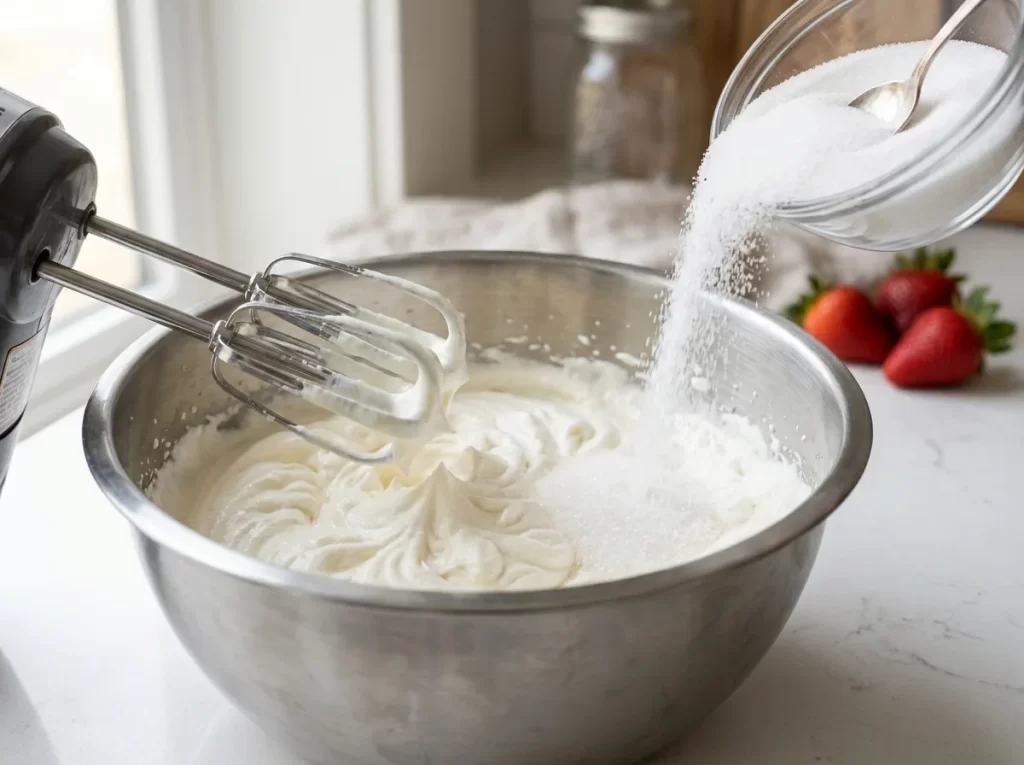
The process is different from using a hand mixer. A mixer beats air into cream with rotating beaters, while a dispenser relies on gas dissolving under pressure and expanding as the cream is released. Both methods make whipped cream, but they work differently and can produce slightly different textures.
Are Whipped Cream Dispensers Safe?
A whipped cream dispenser is generally safe when it is properly made and used according to the manufacturer’s instructions. Although it holds gas under pressure, it is designed to handle that pressure during normal operation. So, there is no need to assume that a dispenser will burst simply because it uses a gas charger.
That said, the quality of the dispenser matters. A sturdy bottle, reliable sealing components, and a well-designed dispensing head all help keep the pressure contained. Cheap products with poor construction or bottles that have been damaged may not offer the same level of safety.
If you are buying one, it is better to choose an established brand than to base your decision on price alone. Brands such as iSi, Mosa, Kayser, and Rotass offer whipped cream dispensers or related products for home and professional use. Depending on the brand and model, you can find both 500 ml aluminum and stainless steel versions. Aluminum dispensers are generally lighter, while stainless steel models offer a more robust body.
Proper handling is just as important as product quality. Never use a dispenser with dents, cracks, or damaged parts. Do not exceed the recommended number of chargers, and never try to unscrew the head while the bottle is still under pressure. Keep the dispenser away from excessive heat and only use compatible, food-grade N₂O chargers. These simple precautions can help prevent avoidable accidents.
Can a Whipped Cream Dispenser Explode?
Yes, it is possible, but a properly manufactured dispenser in good condition should not burst when used as directed. The risk usually comes from misuse, excessive pressure, or damage to the bottle and its components.
There are a few things to watch out for when using one.
Using Too Many Chargers
Every whipped cream dispenser has a recommended charger capacity. Adding more chargers than specified can introduce too much gas into the bottle and push the internal pressure beyond its rated limit.
Using extra chargers will not necessarily make the whipped cream thicker or fluffier. Follow the manufacturer’s instructions and use only the recommended number for your dispenser.
Overfilling the Bottle
It may seem like filling the bottle to the top is a way to make more whipped cream, but this can cause problems. The dispenser needs some empty space for the gas to distribute through the cream. If you fill it beyond the marked line, there may not be enough room for the gas to work properly, and the dispenser may not operate as intended.
It is better to measure the cream before pouring it in rather than guessing how much the bottle can hold.
Using a Damaged Dispenser
A dispenser that has been dropped or dented should not be used until its condition has been checked according to the manufacturer’s instructions. Cracks, damaged threads, or other structural defects can affect its ability to contain pressure. Even if you cannot see a leak, that does not mean the bottle is safe to use.
Do not attempt to repair a damaged dispenser yourself. Replace it or contact the manufacturer for advice.
Opening the Dispenser While It Is Still Pressurized
This is another mistake that can cause serious injury. The dispensing head should remain securely attached while there is pressure inside the bottle. If you unscrew it too early, the head or remaining contents may come out suddenly.
Before removing the head, make sure the dispenser is empty and all remaining pressure has been released according to the manufacturer’s instructions.
What if no gas comes out when you press the lever? Do not force the head open or try to loosen it with a wrench or other tools. The bottle may still contain pressure even if it is not dispensing properly. Stop using it and contact the manufacturer or a qualified service centre.
Is a Whipped Cream Dispenser Difficult to Use?
No, honestly it is very simple. Using a whipped cream dispenser does not require any baking experience or special skills. Once you understand how to fill it, insert the charger, and release the cream, the rest is fairly straightforward.
Unlike a stand mixer, which requires you to adjust the speed and watch the cream as it thickens, a dispenser does most of the work for you. After adding the cream and charging the bottle with N₂O, you simply shake it as directed and press the lever when you are ready to serve. The whipped cream comes straight out through the nozzle, ready to use on cakes, coffee, hot chocolate, and other desserts.
The first time might take a little getting used to. You may need to adjust how you hold the dispenser, how firmly you press the lever, and which nozzle works best for your needs. Shaking also matters, as too little or too much shaking can affect the consistency of the cream. These small details usually become easier to manage after a few attempts.
Another reason people like using a dispenser is that there is less preparation and cleanup involved. You do not need a separate mixing bowl or beaters, and the whipped cream can be dispensed directly where you need it. For anyone who regularly prepares desserts or drinks with whipped cream, this can save quite a bit of time.
If you have never used one before, our step-by-step guide to using a whipped cream dispenser walks you through the process, from preparing the cream to charging the bottle and dispensing the finished whipped cream.
Common Mistakes Beginners Should Avoid
Using a whipped cream dispenser is not difficult, but a few small mistakes can affect how it works or create safety risks. Keep these points in mind when using one for the first time.
1. Not Assembling the Dispenser Properly
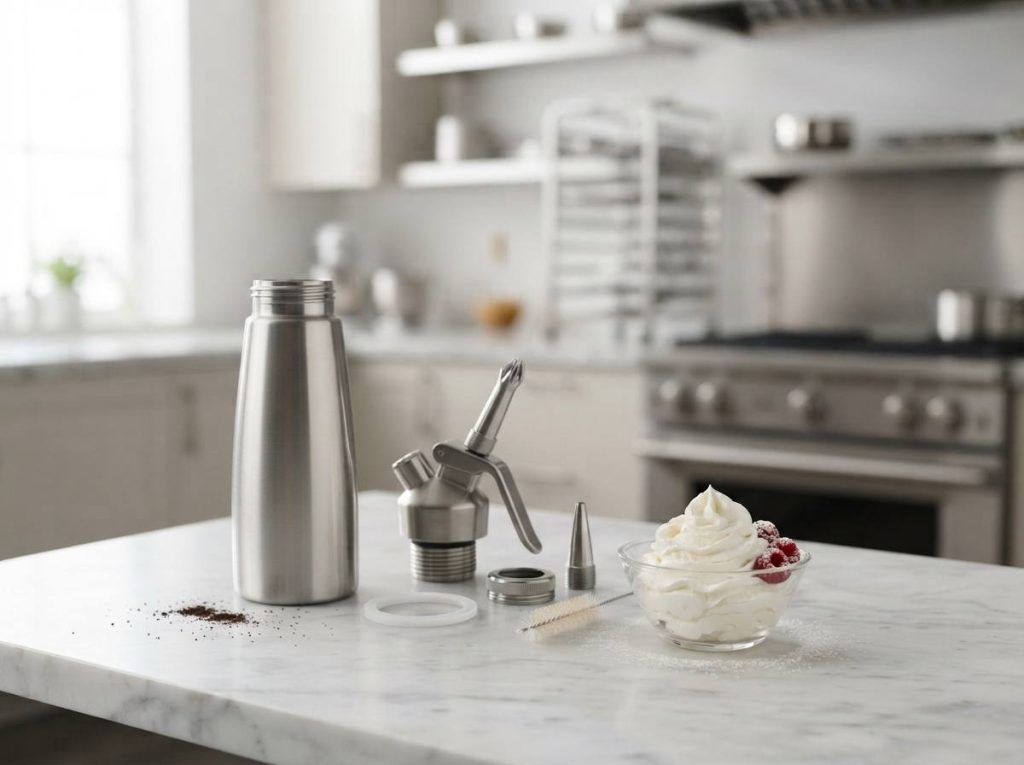
Check that the gasket is in place and the dispensing head is properly tightened before inserting the charger. An incorrectly fitted head may cause gas to leak.
2. Pointing the Dispenser Toward Your Face
Keep the dispenser pointed away from your face and body when inserting the charger. Gas enters the bottle under pressure, so avoid leaning over it during this step.
3. Mistaking a Gas Leak for a Normal Hissing Sound
A brief hiss may occur when removing an empty charger holder, depending on the dispenser model. However, continuous hissing or gas escaping from an unexpected area may indicate a leak. Stop using the dispenser if this happens.
4. Forcing a Blocked Nozzle
If the cream does not come out properly, the nozzle may be blocked. Never try to unscrew the head while the bottle is pressurized. Release all remaining pressure before checking and cleaning the nozzle.
5. Forgetting to Clean the Dispenser After Use
Cream can remain around the nozzle, valve, and gasket after dispensing. Take apart the removable parts and clean them according to the manufacturer’s instructions. This helps prevent residue buildup and keeps the dispenser ready for its next use.
FAQs
How much pressure is inside a whipped cream dispenser?
There is no single pressure figure for every model. It depends on the dispenser’s design, capacity, and operating specifications. For reference, the iSi Cream Profi Whip lists a maximum service pressure of 30 bar (435 psi).
Can you open a cream dispenser while it is charged?
No. A charged dispenser contains pressurized gas, and the head must not be removed while pressure remains inside. Dispense the contents and release the remaining pressure before opening it. If the pressure cannot be released normally, do not force the head open.
Why is my whipped cream dispenser making a hissing sound?
A brief hiss when the charger releases its gas or when an empty charger holder is removed can be normal. A continuous hiss or gas escaping around the head, gasket, or valve may indicate a sealing or assembly problem. Stop using the dispenser if you suspect a leak.
Contact us now, and we’ll get back to you within minutes.