Share your requirements with Rotass now!
Nitrous Oxide Laws by State: Is N₂O Legal in the United States?
Nitrous oxide (N₂O), also known as laughing gas, has several legitimate uses in food preparation, medicine, and industry. In the food sector, it is commonly supplied in cream chargers and larger cylinders for dispensing whipped cream and creating light, aerated textures.
Its recreational misuse has prompted stricter controls in parts of the United States. Depending on the state, regulations may restrict who can purchase N₂O, how it can be sold, or which products retailers are allowed to offer.
Nitrous oxide is not subject to one uniform set of rules across the country. Its legal status depends on state and local laws, the intended use, and the type of product being sold. This article looks at N₂O regulations across the United States, with a focus on what consumers, retailers, and food-service businesses need to know.
Is Nitrous Oxide Legal in the United States?
Under the federal Controlled Substances Act, nitrous oxide is not listed as a Schedule I–V controlled substance. You can check the Controlled Substances Act for the current list.
However, its federal status does not mean that all sales and uses are unrestricted. Under 21 CFR § 184.1545, nitrous oxide is permitted for certain food applications, including use as a propellant and aerating agent. It must meet applicable purity requirements and be used in accordance with current good manufacturing practices.
State laws may impose additional restrictions, particularly when N₂O is sold or distributed for recreational inhalation. Depending on the state, these rules may cover the intended use, minimum purchase age, retail sales, flavored products, or container sizes.
The key distinction is between permitted applications, such as food preparation, and sales or use intended for recreational inhalation. The rules that apply depend on the relevant federal, state, and local laws.
Nitrous Oxide Laws by State: A 50-State Overview
Nitrous oxide regulations vary from state to state. The table below summarizes the general retail position in each state, based on a state-by-state legal database updated in November 2026. These classifications are intended as a reference and do not determine whether every N₂O product or use is permitted.
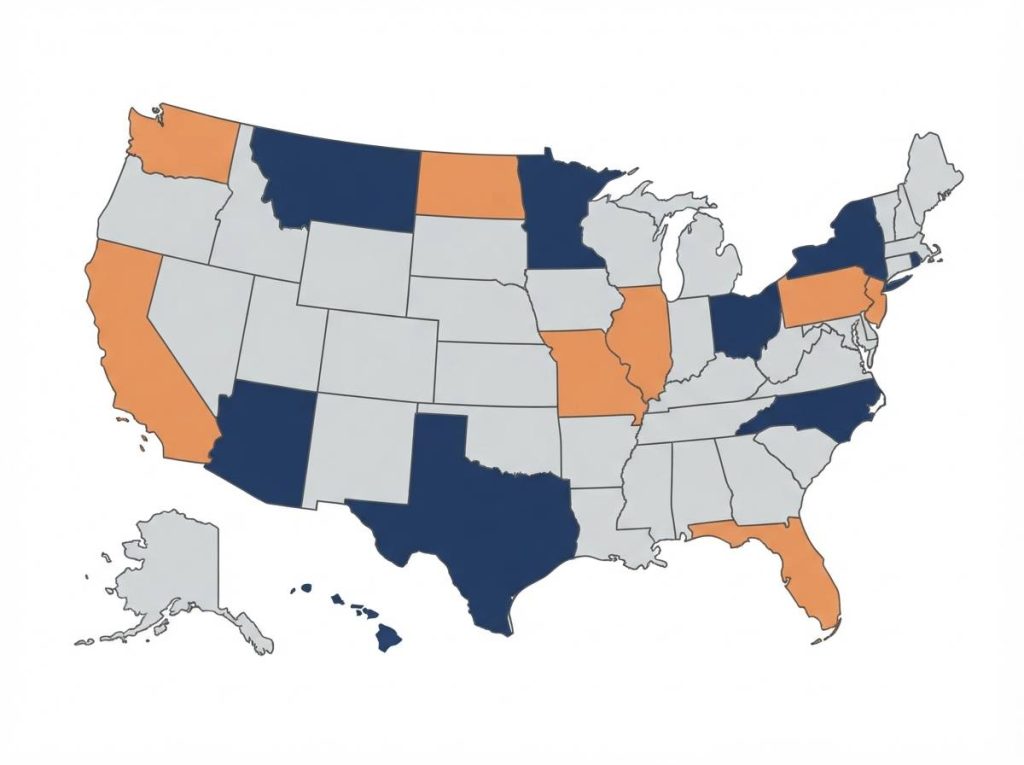
| State | Status | State | Status |
| Alabama | Restricted | Montana | Gray area |
| Alaska | Legal | Nebraska | Restricted |
| Arizona | Restricted | Nevada | Gray area |
| Arkansas | Restricted | New Hampshire | Gray area |
| California | Restricted | New Jersey | Restricted |
| Colorado | Legal | New Mexico | Gray area |
| Connecticut | Restricted | New York | Restricted |
| Delaware | Gray area | North Carolina | Gray area |
| Florida | Restricted | North Dakota | Restricted |
| Georgia | Restricted | Ohio | Restricted |
| Hawaii | Gray area | Oklahoma | Restricted |
| Idaho | Gray area | Oregon | Restricted |
| Illinois | Restricted | Pennsylvania | Restricted |
| Indiana | Restricted | Rhode Island | Gray area |
| Iowa | Restricted | South Carolina | Restricted |
| Kansas | Legal | South Dakota | Gray area |
| Kentucky | Restricted | Tennessee | Illegal |
| Louisiana | Restricted | Texas | Restricted |
| Maine | Gray area | Utah | Restricted |
| Maryland | Restricted | Vermont | Legal |
| Massachusetts | Gray area | Virginia | Restricted |
| Michigan | Restricted | Washington | Illegal |
| Minnesota | Gray area | West Virginia | Gray area |
| Mississippi | Legal | Wisconsin | Restricted |
| Missouri | Gray area | Wyoming | Gray area |
Source: CompoundLaws – Nitrous Oxide State-by-State Overview, checked November 12, 2026.
- Legal: No specific statewide restriction on retail sales was identified in the database. General laws and local regulations may still apply.
- Restricted: State law places specific limits on N₂O sales, possession, purchase age, product types, or recreational use.
- Gray Area: Existing laws on inhalants or chemical substances may apply, but the rules governing N₂O retail products are not clearly defined.
- Illegal: The database identifies ordinary retail sales as prohibited. This does not necessarily prohibit legitimate medical, food, or industrial applications.
A Restricted classification does not automatically mean food-grade cream chargers are banned. The scope of the law, including any exemptions for legitimate commercial or food-related uses, must be checked separately.
Which States Have the Strictest Nitrous Oxide Laws?
South Carolina
South Carolina’s Act 194 of 2026 took effect on May 18, 2026. It generally prohibits the sale and distribution of nitrous oxide products, including cartridges, cylinders, tanks, and other containers.
However, the law includes exceptions for qualifying healthcare providers, food service businesses, and other permitted uses. It also allows certain household culinary purchases under specific conditions, including non-refillable cartridges containing no more than 8 grams of N₂O.
Florida
Under Florida Statutes § 569.216, licensed dealers operating under the state’s tobacco and nicotine products regulations are generally prohibited from possessing, selling, or distributing N₂O on or from their licensed premises.
The law provides exceptions for certain grocery stores and supermarkets. It also excludes finished food products in which N₂O is used solely as a propellant. This distinction matters to retailers: standalone cream chargers and finished whipped cream products may be subject to different rules.
Virginia
Virginia Code § 18.2-264 places restrictions on flavored nitrous oxide products, devices designed for direct inhalation, and the sale of containers larger than 8 grams to ordinary consumers.
Certain buyers, including qualifying medical providers, food service businesses, and industrial or research users, may be covered by specific exceptions. Businesses should check the eligibility requirements before supplying these products.
California
California enacted SB 936 in September 2026. The legislation restricts certain N₂O containers capable of holding more than 8 grams, products marketed with food-like flavors, and devices designed for direct inhalation. Specific exceptions apply to qualifying uses and buyers.
These provisions add to existing restrictions concerning recreational possession and sales to minors.
Tennessee and Washington
Tennessee and Washington are both classified as prohibiting ordinary retail sales in the state-by-state database, but their restrictions differ.
Tennessee’s 2026 legislation prohibits retail sales of N₂O to consumers. Washington takes a more product-specific approach, restricting certain containers and products while retaining exceptions for medical, food-propellant, industrial, and other specified uses.
Are Cream Chargers and Food-Grade Nitrous Oxide Legal?
Food-grade nitrous oxide is widely used in food preparation and commercial food production. Common products include cream chargers, whipped cream dispensers, and larger food-grade cylinders.
Under FDA regulations, N₂O is permitted as a food propellant and aerating agent when it meets applicable purity requirements and is used in accordance with good manufacturing practices. However, this federal approval does not exempt products from state-level sales restrictions.
The rules may also vary depending on the buyer and product. For example, a restaurant may qualify for an exemption to purchase a larger N₂O cylinder, while an individual consumer may not be allowed to buy the same product. Small 8g chargers, refillable cylinders, and flavored products may also be subject to different requirements.

Can You Buy, Possess, or Sell Nitrous Oxide Legally?
In states that allow retail sales, consumers may purchase cream chargers and other food-grade N₂O products from authorized suppliers. However, some states impose age limits, container-size restrictions, or requirements based on the buyer’s intended use.
Online listings do not necessarily mean a product can be shipped to every state. Sellers need to check the laws at the destination before accepting an order, particularly for larger cylinders or products that can only be supplied to qualifying commercial buyers.
Restaurants, bakeries, catering companies, and food manufacturers should also confirm whether their state requires permits, proof of business activity, or other purchasing documentation.
Possession is treated separately from purchasing and selling. Holding N₂O for a legitimate culinary or industrial purpose is different from possessing it for recreational inhalation. State laws may impose different penalties and restrictions depending on the circumstances and intended use.
What Are the Penalties for Violating Nitrous Oxide Laws?
Penalties for violating N₂O laws vary by state and by the nature of the offense. They can include fines, misdemeanor or felony charges, product confiscation, and the suspension or revocation of business licenses.
Florida, for example, classifies certain violations by licensed dealers under § 569.216 as third-degree felonies. Oklahoma’s Maddix Bias Act also sets criminal penalties for prohibited recreational use and certain transactions involving more than 16 grams of N₂O.
For distributors and retailers, selling restricted products or failing to meet buyer-verification requirements can lead to serious legal and business consequences. Checking state requirements before accepting orders or distributing products is essential.
Frequently Asked Questions
Is Nitrous Oxide Legal for Home Whipped Cream Use?
Yes. Food-grade N₂O can be used for home whipped cream preparation. However, purchasing restrictions vary by state. South Carolina, for example, permits qualifying home culinary purchases of non-refillable 8g cartridges by adults aged 18 or older.
Can You Buy Cream Chargers Online in the United States?
Yes. Cream chargers are sold by online retailers and specialty suppliers across the United States. However, sellers must comply with destination-state sales and shipping restrictions.
Are 8g Nitrous Oxide Chargers Legal in Every State?
No. An 8g cartridge is not automatically exempt from state N₂O restrictions. Some states prohibit certain retail sales regardless of cartridge size, while others provide specific exceptions for culinary use.
Can Businesses Purchase Large N₂O Cylinders for Food Preparation?
Yes. Restaurants, bakeries, catering companies, and food manufacturers can purchase large N₂O cylinders where commercial-use sales are permitted. Some states require proof of business eligibility or additional purchasing documentation.
Do You Need to Be 18 or 21 to Buy Nitrous Oxide?
There is no single federal minimum purchase age for all N₂O products. State laws set different requirements, including age limits for specific products and retail transactions.
Contact us now, and we’ll get back to you within minutes.