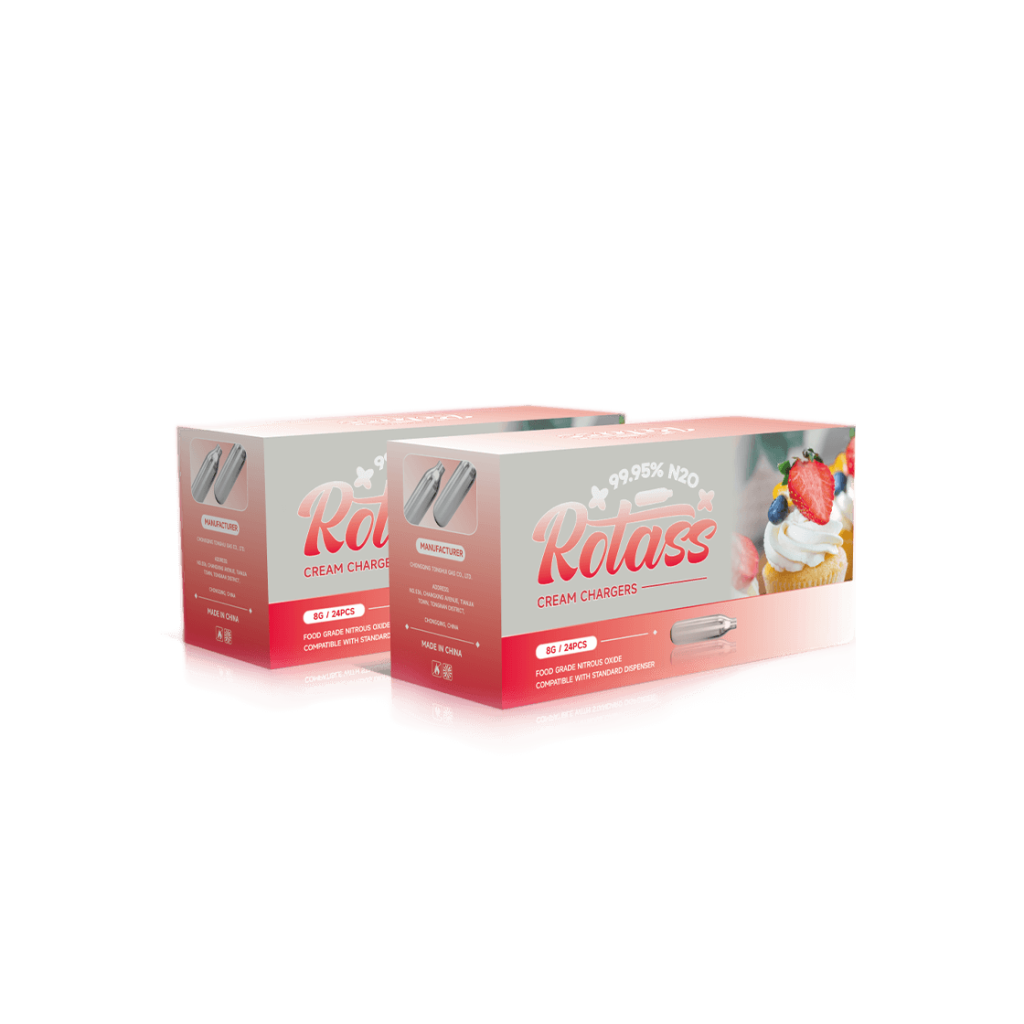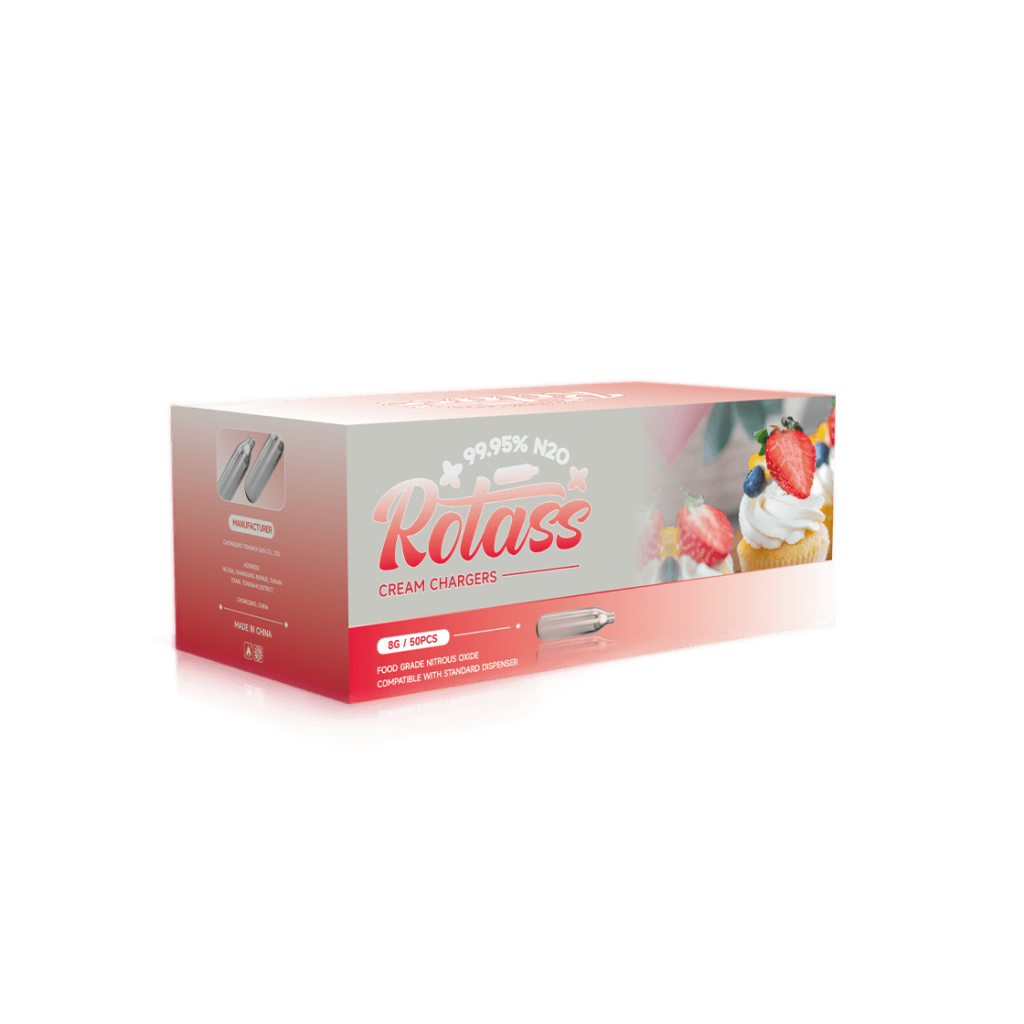
2026 / 03 / 02
The Growing Demand for Larger Capacity Cream Chargers: What’s Driving the Market?
Table of Contents
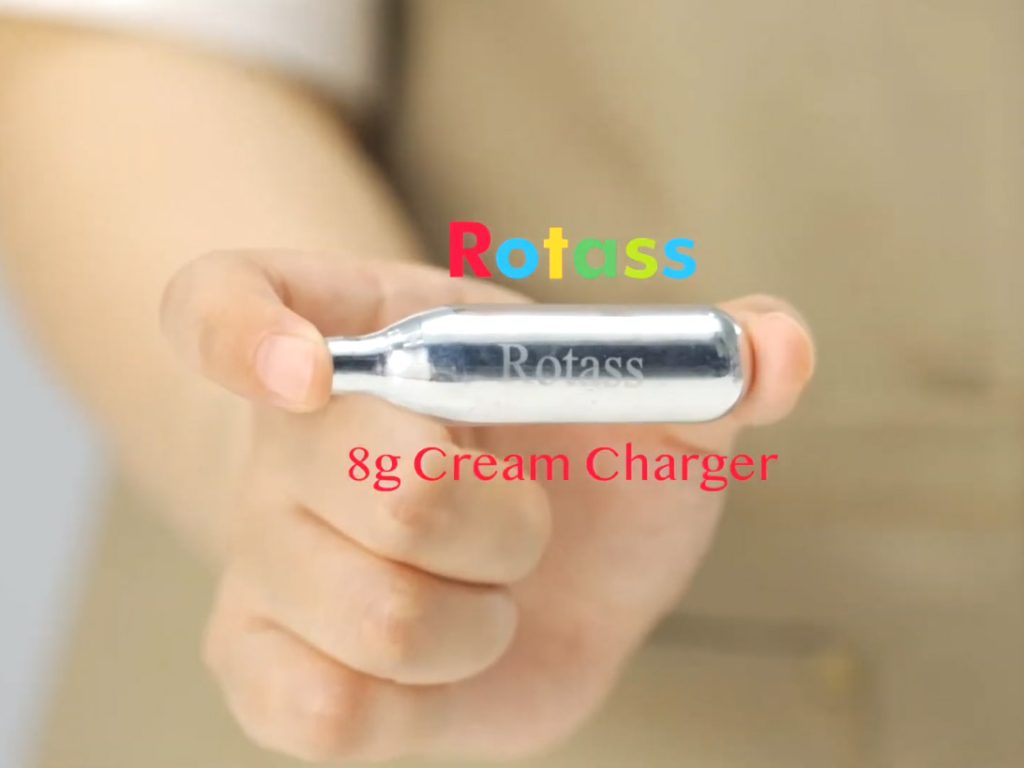
The cream charger market has started to experience changes during recent years. The standard 8g cartridge remained the primary format used in home kitchens and small cafés for many years. The system provided users with convenient features which they could easily operate. A new trend is developing which shows that commercial establishments are starting to use larger cream chargers that include 580g tanks.
What events led to this situation? What business operational changes have occurred? The critical question requires an assessment of whether the extended capacity system provides both practical advantages and financial benefits.
Let us look at the factors driving this growing demand.
The Efficiency Pressure in Modern Commercial Kitchens
Food service operations today move at a faster pace than any previous time period. Coffee shops serve hundreds of drinks per day. Dessert bars experience their busiest period when customers arrive at peak hours. Catering companies must produce consistent results under time constraints.
The situation creates a situation where frequent cartridge replacement becomes more than an ordinary disruption. Staff must reload 8g chargers throughout their workday because they need to do this during busy times. The work process suffers from any disruption because even short breaks interrupt its flow.
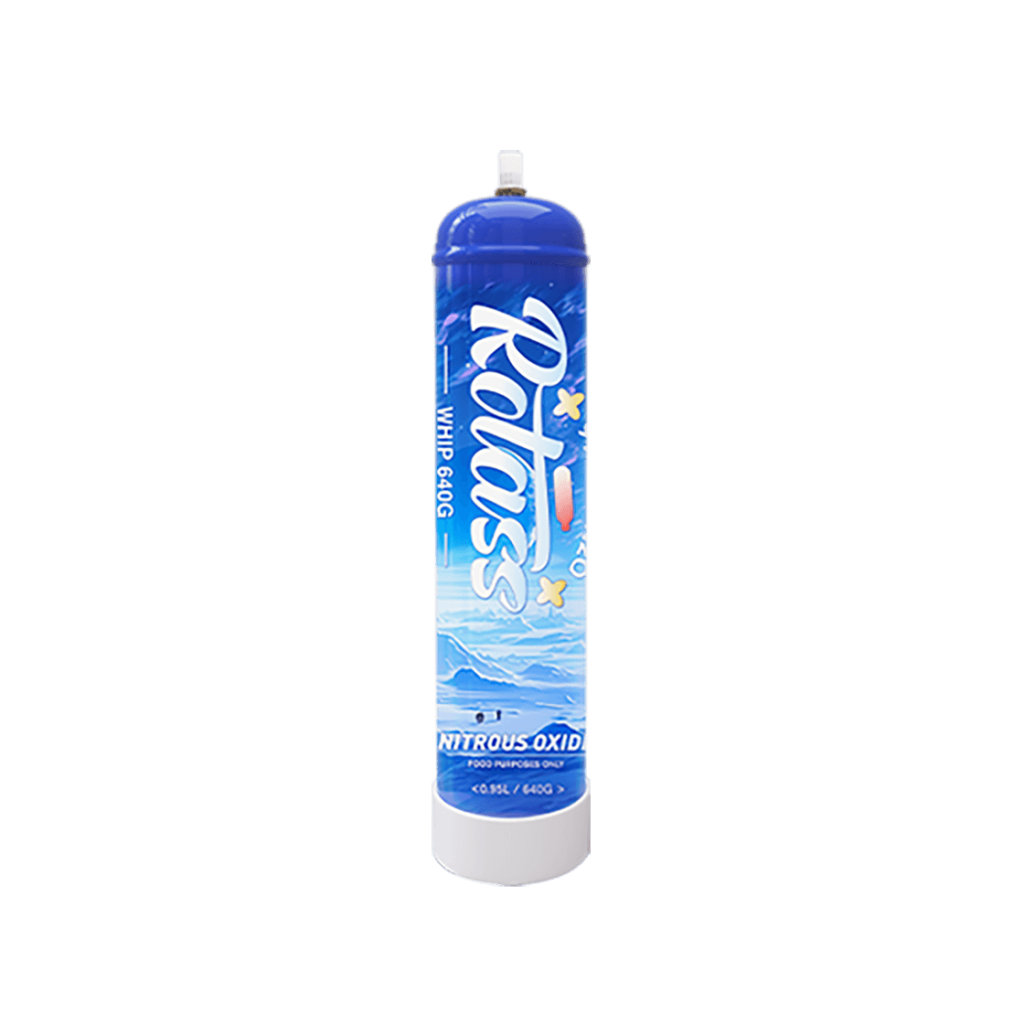
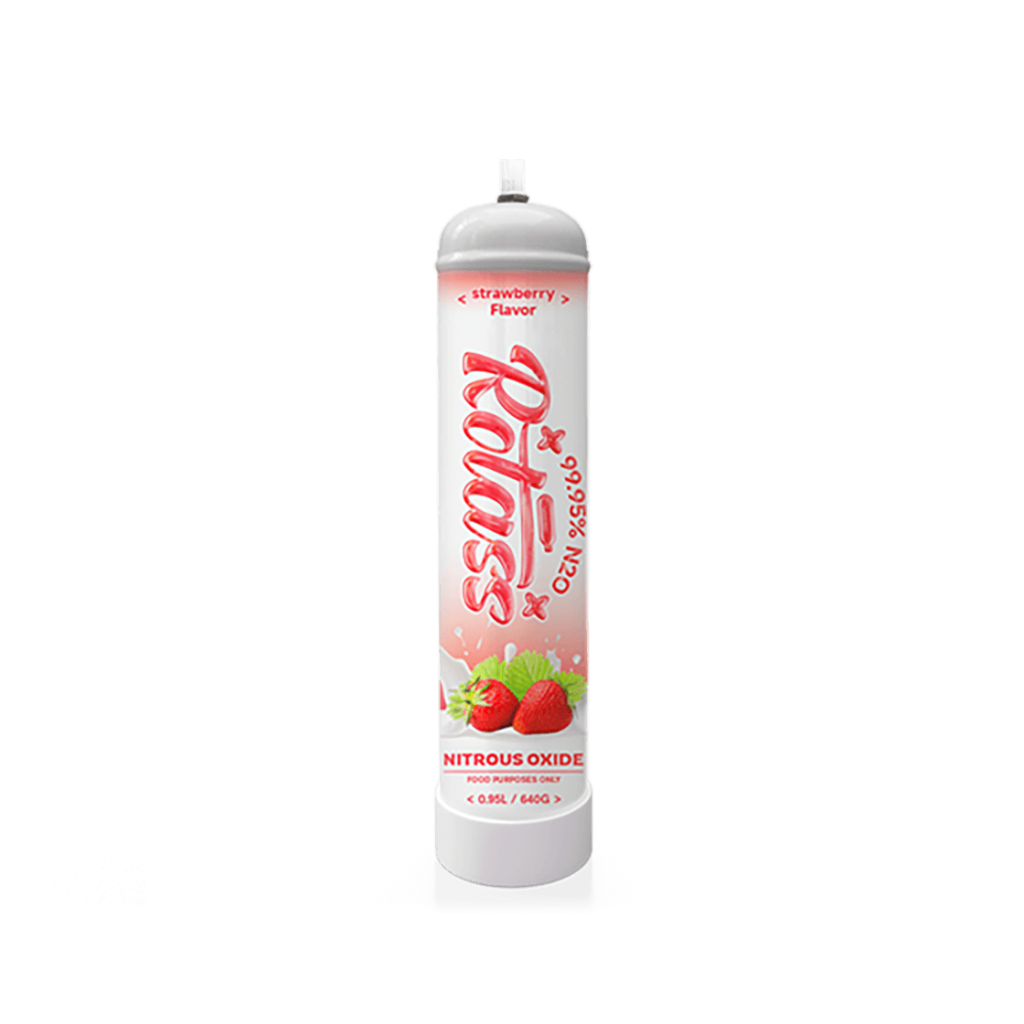
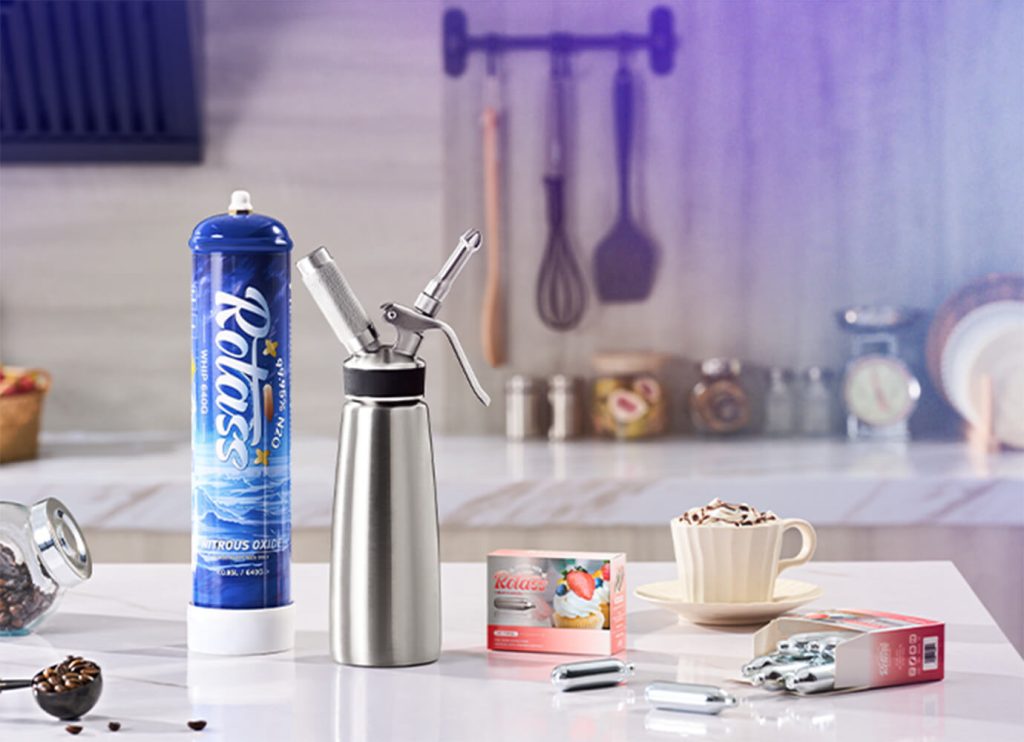
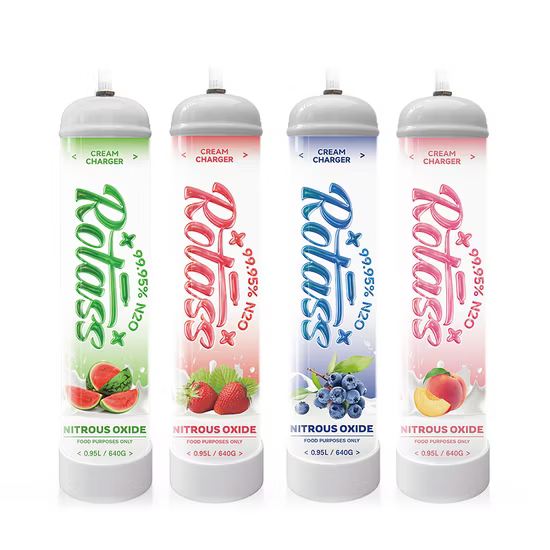
Larger capacity cream chargers reduce this friction. A 580g tank can supply significantly more nitrous oxide before needing replacement. The process needs fewer breaks about handling tasks which leads to better service during peak business times.
The development of operational consistency throughout time creates a strategic advantage for businesses. Businesses are not only looking for quality—they are looking for reliability.
Lower Cost Per Unit of Gas
Cost efficiency is another key driver.
The initial price of 8g cartridges makes them look affordable to buyers who see their low purchase cost. However, when businesses calculate the cost per gram of nitrous oxide, larger capacity chargers often provide better value.
Organizations that use bulk gas packaging will experience lower costs because this method decreases their unit expenses. The cost difference for daily operations with cream chargers leads to rapid financial accumulation. The total savings will reach substantial amounts after several weeks and months.
The inventory and equipment management process requires less labor work because businesses have fewer items that need replacement. The yearly operational savings become easier to track after organizations complete their shift work.
The incremental efficiencies that businesses achieve through their operations serve as essential components for their margin optimization efforts.
Inventory and Storage Optimization
Inventory management represents another essential operational component.
The need for increased stock turnover applies to smaller cartridges because their storage requirements force more frequent restocking activities. High-volume kitchens face operational challenges when their charger supply runs out during peak service times because it disrupts their ability to serve customers.
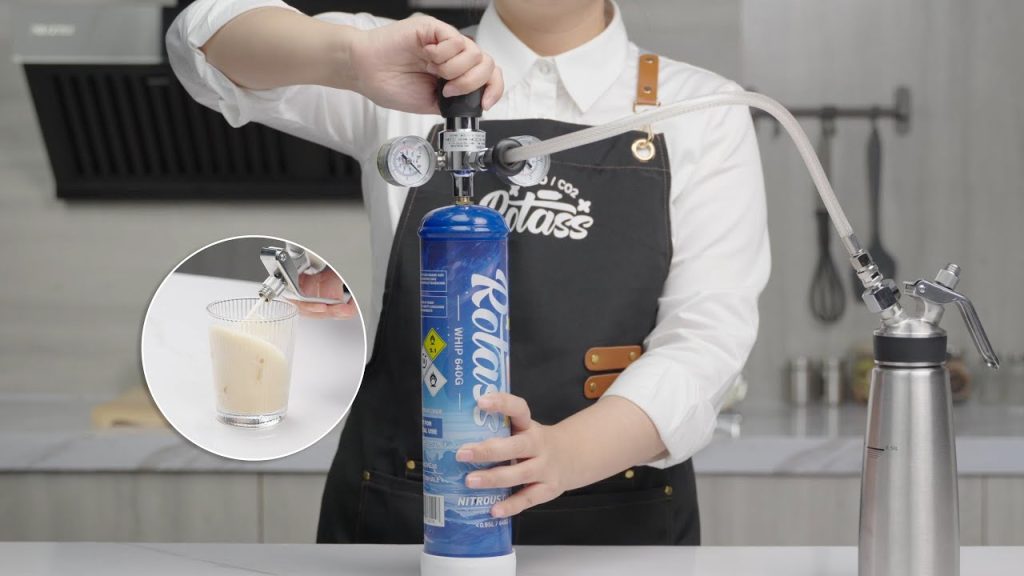
Businesses can decrease their storage and handling operations by using larger tanks which require fewer units. Businesses can simplify their supply chain operations by replacing multiple small cartridges with one large capacity unit.
The sustainability aspect exists. Reduced material use results from having fewer individual cartridges which also decrease packaging waste. The growing number of food service establishments that implement environmental responsibility programs creates this as an extra requirement.
Greater Pressure Stability and Product Consistency
The food service industry depends on consistent operational procedures to create its meals. The systems with larger capacities produce more reliable pressure results which they maintain throughout their operational period. The production of multiple dessert servings requires stable pressure to ensure that whipped cream maintains its texture and structure while foam toppings for drinks achieve the same results.
The smaller cartridges need to be installed multiple times because their pressure performance depends on the timing of usage and how users handle them.
The foundation of customer trust depends on businesses maintaining consistent service delivery. Customers expect a drink or dessert to provide the same taste and appearance during every experience. The standard operational procedures become easier for businesses to maintain through the use of larger capacity chargers.
Expansion of Advanced Culinary Applications
The demand for larger capacity cream chargers is also linked to evolving culinary trends. Nitrous oxide has evolved from its original purpose of whipped cream production to become a versatile ingredient used in multiple applications. It is now applied in:
- Foam-based cocktail presentations
- Rapid flavor infusion techniques
- Cold foam coffee toppings
- Lightened sauces and emulsions
These applications often require repeated or extended gas use. The larger supply system enables restaurants and bars with experimental menus to develop new dishes without facing constant operational disruptions. The advancement of culinary techniques leads to changes in equipment preferences used by chefs.
Economic Comparison: 8g vs 580g Chargers
| Factor | 8g Chargers | 580g Chargers |
| Initial Investment | Lower | Higher |
| Cost per Gram of N₂O | Higher | Lower |
| Replacement Frequency | Frequent | Infrequent |
| Suitable For | Home use, low volume | Commercial, high volume |
| Workflow Disruption | More likely | Less likely |
It is important to note that larger capacity chargers are not automatically better for everyone. Small cafés or home users do not need high-volume systems because they operate at lower capacity. The benefits become obvious when businesses need to handle large numbers of customers.
Some Challenges and Considerations
The extended power charging stations provide advantages to users but require users to handle specific operational challenges.
The business needs to spend more money on equipment since the first equipment costs more than standard costs. Businesses need to acquire matching systems which include dispensing equipment and regulatory equipment. Staff members require training to achieve safe operation and proper equipment usage.
The system needs to provide enough usage to match the installed capacity. Companies that experience low operational activity should avoid using expensive equipment which fails to deliver significant financial advantages.
The decision needs to rely on actual consumption patterns and operational objectives instead of current fashion trends.
The Market Shift of Cream Chargers
The food service industry is experiencing increased demand for larger cream chargers because this requirement reflects current industry trends. Organizations today focus on improving their operational performance through better management of essential business functions while achieving cost savings and maintaining sustainable practices. The organization selects its equipment according to its strategic objectives.
Larger capacity systems provide high-volume operations with actual benefits for their daily activities. The traditional 8g cartridges continue to meet the needs of smaller customers.
Rotass provides both small-capacity cream chargers for everyday and low-volume use, as well as larger-capacity options designed to support commercial kitchens and high-demand operations. The process of choosing the best business format becomes simpler through the use of expert guidance. Rotass welcomes inquiries from distributors, retailers, and food service operators who need dependable food-grade N₂O solutions for their particular requirements.