
Share your requirements with Rotass now!
Is Listeria Hiding in Your Whipped Cream?
Whipped cream is a familiar ingredient in homemade cakes, coffee, desserts, and other sweet treats. Since cream is usually kept in the refrigerator, it is easy to assume that it stays safe as long as it looks and smells fresh. However, some harmful bacteria can survive and grow at refrigerator temperatures.
Listeria is one of them. Although contamination of cream is not inevitable, it is a food safety concern worth understanding, especially for pregnant women, older adults, and people with weakened immune systems.
So, can you get Listeria from whipped cream? Yes, if the cream or finished product has been contaminated. The good news is that choosing pasteurized cream, keeping equipment clean, and following proper storage practices can help reduce the risk.
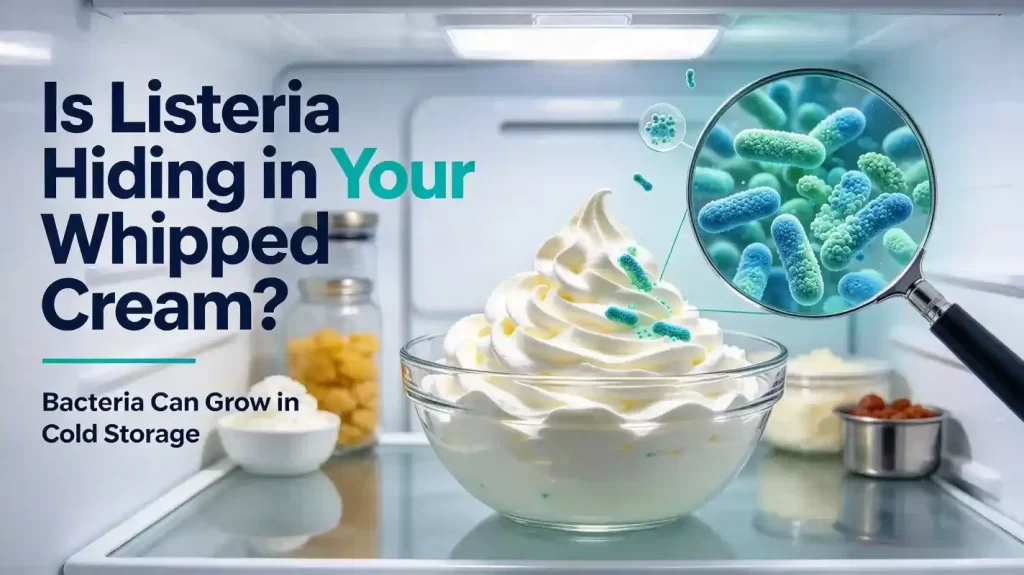
What Is Listeria and Why Does It Thrive in the Fridge?
Listeria monocytogenes is a bacterium that can cause an infection called listeriosis. It is commonly associated with contaminated ready-to-eat foods, dairy products, and certain refrigerated foods.
What makes Listeria different from many other foodborne bacteria is its ability to grow at low temperatures. Refrigeration slows the growth of many microorganisms, but it does not reliably stop Listeria from multiplying. The longer contaminated food stays in the refrigerator, the more time the bacteria may have to grow.
Symptoms of listeriosis can include fever, muscle aches, fatigue, nausea, and diarrhea. In more serious cases, the infection can spread to the nervous system and cause headaches, confusion, or a stiff neck. Symptoms may appear within days, but they can also take several weeks to develop.
The infection is particularly dangerous during pregnancy. Even when the mother experiences only mild symptoms, the infection can lead to miscarriage, stillbirth, premature delivery, or serious illness in a newborn.
(For more information, see the CDC’s guidance on Listeria.)
Can Cream and Whipped Cream Actually Carry Listeria?
Yes. Cream and whipped cream can carry Listeria if they become contaminated during production, handling, or storage. However, not all cream products carry the same level of risk.
Raw cream and products made from unpasteurized milk pose a greater risk because they have not undergone pasteurization to kill harmful bacteria. Commercial heavy cream made from pasteurized milk is a safer option, but it can still become contaminated after processing. Bacteria can enter cream through contaminated equipment, packaging, or utensils. Poor hand hygiene can also spread bacteria during food preparation.
Whipping cream adds another step where contamination can occur. Using a dirty bowl or dispenser, for example, can introduce bacteria into the cream. Leaving whipped cream at room temperature for too long also increases food safety risks.
You cannot tell whether cream contains Listeria by its appearance, smell, or taste. Contaminated cream may look and smell perfectly normal, so never taste it to check whether it is safe.
For home baking, choose pasteurized cream that is within its use-by date. Keep it refrigerated and follow the storage instructions on the package.
Hand-Whipped Cream vs. Cream Charger: Which Is Safer?
Hand-whipping cream or using an open mixer involves contact with bowls, beaters, and other utensils. If these tools are not clean, bacteria can transfer to the cream. The longer the preparation takes, the more opportunities there may be for contamination.
A cream dispenser keeps the cream inside a sealed container during dispensing. When used correctly with a cream charger, it reduces the need to handle the cream directly during preparation. This can help limit contamination from hands and the surrounding environment.
However, a cream charger does not kill Listeria or make contaminated cream safe to eat. The cream must still be pasteurized and properly refrigerated. The dispenser also needs thorough cleaning, especially around the nozzle and other parts that come into contact with the cream.
Both methods can be safe when handled properly. The main difference is how much the cream is exposed to utensils, hands, and the surrounding environment. Regardless of which method you choose, clean equipment, safe storage, and good food handling practices remain essential.
Who Should Be Extra Careful with Cream Products?
Listeria can cause more serious illness in certain groups. Pregnant women face a higher risk of complications, including miscarriage, stillbirth, premature birth, and infection in newborns. Adults aged 65 and older and people with weakened immune systems are also more likely to develop severe illness.
These groups should take extra care when handling and eating refrigerated dairy products, including cream and whipped cream. Choose pasteurized cream, keep it refrigerated, and follow the storage instructions on the package. Avoid products made with unpasteurized milk.
The FDA’s food safety guidance for pregnant women explains how to reduce the risk of Listeria infection through safer food choices and proper handling. These precautions are especially important during pregnancy, when a Listeria infection can have serious consequences even if the mother has only mild symptoms.
Practical Tips to Prevent Listeria in Your Cream and Fridge
A few simple habits can help reduce the risk of Listeria contamination when storing and preparing cream.
These steps help keep cream safe, but they also apply to other refrigerated foods. Proper refrigeration, clean equipment, and careful handling are key to reducing the risk of foodborne illness.
Conclusion
Listeria can contaminate cream and other refrigerated foods, but you can still make whipped cream at home safely. Choose pasteurized cream, keep it refrigerated, clean your equipment thoroughly, and avoid leaving it at room temperature for too long.
A cream dispenser and charger can reduce direct handling during preparation, but they cannot make contaminated cream safe. No matter which whipping method you use, proper hygiene and storage are essential to reducing the risk of Listeria.
Contact us now, and we’ll get back to you within minutes.