
Share your requirements with Rotass now!
Is Matcha Bad for You? A Complete Drinking Guide
Matcha has become a popular choice for people who want a little energy without relying on coffee. It has found its way into everyday drinks, desserts, and morning routines, from simple cups of matcha to creamy lattes. But as its popularity grows, so do questions about its health effects. Is matcha good for you? Is it safe to drink every day? And what should you know if you regularly enjoy matcha-based drinks?
This guide answers those questions directly and includes practical tips for enjoying it.
What Is Matcha?
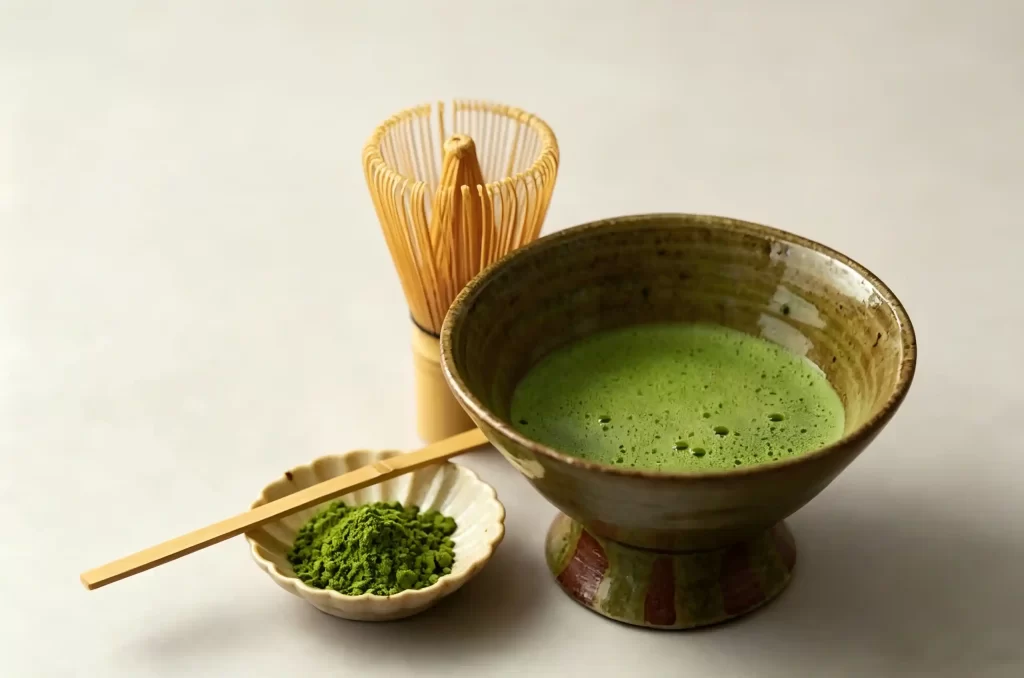
Matcha is a type of green tea made from shade-grown tea leaves that are finely ground into a powder. Unlike regular green tea, where the leaves are steeped and removed, matcha powder is consumed as part of the drink. This means you consume more of the tea’s naturally occurring compounds.
One important point is its caffeine content. Research reviewing different matcha products has found caffeine levels of about 18.9–44.4 mg per gram of matcha.
For a typical serving of around 2 grams, that works out to roughly 38–89 mg of caffeine, although the actual amount can vary. By comparison, EFSA lists an average of about 90 mg of caffeine for a 200 ml cup of filter coffee.
Matcha also contains catechins, including EGCG, as well as L-theanine. These compounds are part of the reason matcha is often associated with antioxidant activity and a different feeling of alertness compared with coffee.
So, Is Matcha Bad for You?
For most people, matcha is not harmful when consumed in moderation.
Green tea has generally been considered safe as a beverage for healthy adults. The National Center for Complementary and Integrative Health (NCCIH) notes that there are no specific safety concerns associated with drinking green tea, although it does contain caffeine.
Matcha also contains antioxidants and other naturally occurring compounds found in tea. Some studies have found that green tea may have modest effects on cholesterol and other health markers. However, these findings do not mean that drinking matcha can prevent or treat disease.
For most people, caffeine is the main thing to watch. Too much caffeine can cause restlessness, headaches, a faster heartbeat, stomach discomfort, and trouble sleeping. The European Food Safety Authority (EFSA) considers up to 400 mg of caffeine per day from all sources generally safe for healthy adults. A single intake of up to 200 mg is also generally considered safe for most healthy adults.
Still, 400 mg is not a target everyone needs to reach. People who are sensitive to caffeine may notice side effects after just one strong cup of matcha, especially if they drink it later in the day.
Pregnant people, anyone taking regular medication, or those with certain health conditions may need to be more careful about caffeine intake. In these cases, it is best to check with a healthcare professional if matcha is consumed regularly. Green tea may also interact with certain medications, including some medicines used for blood pressure and cholesterol.
Another important distinction is between matcha or green tea as a beverage and concentrated green tea extracts. Cases of liver injury have been reported mainly in connection with concentrated green tea extract products rather than ordinary green tea drinks.
So, for most healthy adults, there is no need to avoid matcha altogether. The more practical approach is to keep your overall caffeine intake in check and pay attention to how your body responds to it.
Is Drinking Matcha Every Day Bad for You?
For most healthy adults, drinking matcha every day in moderate amounts is generally fine.
A practical starting point is around 1–2 servings per day, using approximately 1–2 teaspoons of matcha in total, depending on the strength of the powder and your personal caffeine tolerance.
The important thing is to consider your total caffeine intake. If you already drink coffee, black tea, energy drinks, or other caffeinated beverages, adding several strong matcha drinks can push your daily intake higher than expected.
More is not necessarily better. Drinking large amounts simply because matcha is considered a “healthy” food can increase caffeine intake without providing extra benefits that are clearly established.
How Can You Tell If Matcha Has Gone Bad?
Fresh matcha normally has a bright green color, a clean vegetal aroma, and a smooth taste with some natural bitterness and sweetness.
As matcha ages or is stored poorly, the color may become dull green, yellowish, or brown. The aroma can also become weaker or develop an unpleasant smell. A noticeably stale, harsh, or unusual taste is another sign that the powder has lost quality. To keep matcha in better condition, store it in an airtight container away from light, heat, moisture, and strong odors. Once opened, using it sooner rather than later will usually give you a better flavor.
How to Get the Best Taste from Your Matcha
Even high-quality matcha can lose some of its appeal if the water is not right or the preparation is rushed. Water quality and temperature both affect the matcha’s color and aroma. The same goes for the cream or foam often added to matcha lattes, desserts, and other drinks. The charger you use can also affect the final result.
Low-quality cream chargers may leave behind a metallic or chemical taste, which can easily overpower matcha’s delicate flavor. Using a food-grade charger with high-purity gas helps create a smooth, stable foam without adding unwanted flavors.
Here are practical tips for making matcha cream with a cream charger:
- Use cream with at least 30% fat, preferably 35% or higher. Chill both the cream and the dispenser to 2–7°C before starting.
- Sift the matcha powder first. Mix a small amount of cold cream into the powder to form a smooth paste, then combine it with the rest of the cream. This prevents green clumps.
- For a standard 500 ml dispenser, fill with 350–400 ml of the mixture so the gas has room to work.
- After attaching the charger and hearing the gas release, shake gently 3–8 times. Too few shakes leave the mixture uneven; too many can affect texture.
- Let the charged dispenser rest in the refrigerator for 10–15 minutes before dispensing. The foam will hold its shape better.
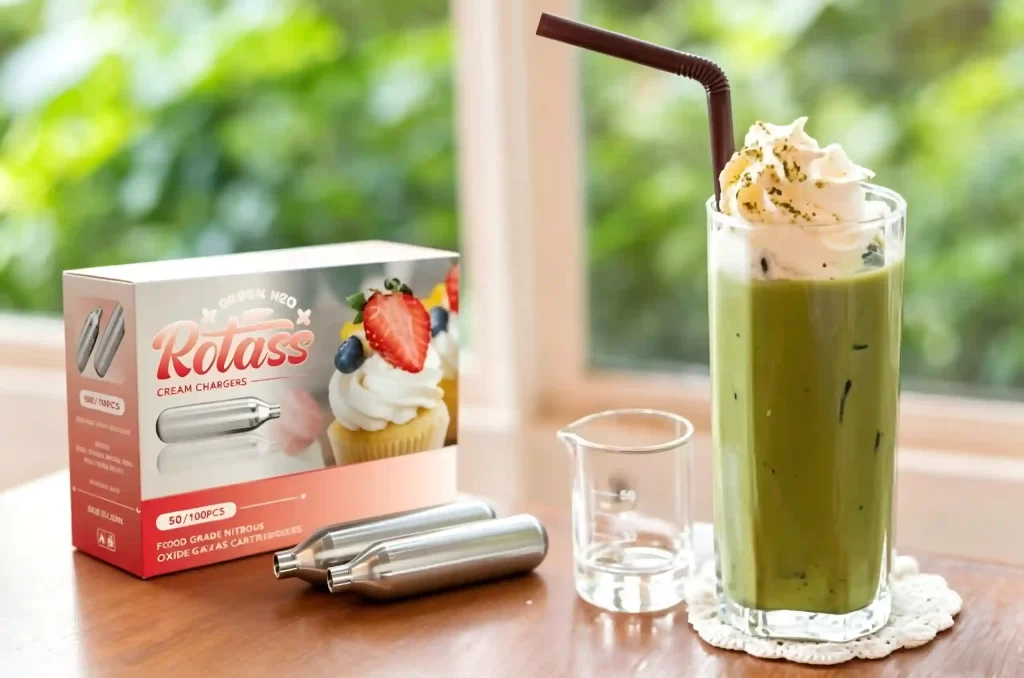
Rotass cream chargers contain 99.95% pure food-grade nitrous oxide, produced in-house and cleaned through multiple stages. They are suitable for both professional kitchens and home use. Whether you are adding a layer of cream to a matcha latte or making matcha mousse, using clean, high-purity gas helps keep the drink or dessert tasting fresh while allowing the natural color and aroma of the matcha to stand out.
Conclusion
Matcha is not bad for you when you choose a good product and keep portions reasonable. One or two servings a day fits comfortably into most diets and delivers the compounds people seek from it. Paying attention to water, powder quality, and the cream you add on top takes the experience further. If you enjoy matcha with a layer of cream or foam, using a high-purity charger such as those from Rotass keeps the flavor clean and the texture consistent. That small detail often separates an ordinary drink from one that tastes deliberate and fresh.
Contact us now, and we’ll get back to you within minutes.