2025 / 12 / 11
Traditional Infusion vs Rapid Infusion: What’s the Real Difference?
Table of Contents
The formation of flavor is often inseparable from time. Whether it’s fruit wine, vanilla syrup, or flavored olive oil, traditional methods almost all cannot avoid the waiting process. However, in recent years, a method known as rapid infusion is gradually changing people’s perception of the efficiency of flavor extraction.
Why does one need to wait for days or even weeks to extract the flavor, while the other only takes a few minutes? Is the difference between these two methods really just as simple as fast and slow? This article will guide you to systematically understand the real differences between traditional infusion and rapid infusion from multiple dimensions.
What is Traditional Infusion?
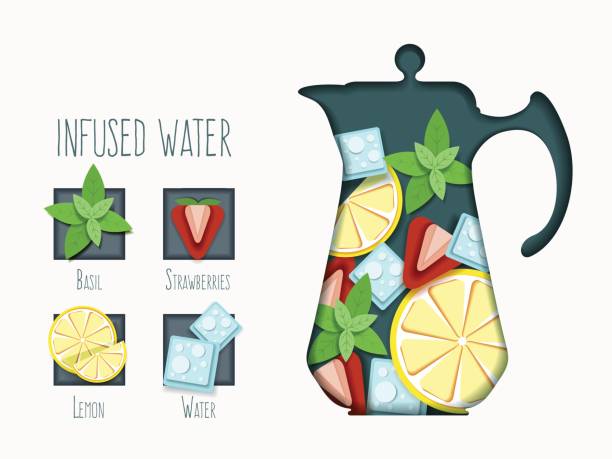
traditional infusion is the oldest and most widely used method for flavor extraction. Its core principle is very intuitive: Put raw materials such as fruits, herbs and spices into the liquid, and through long-term contact, the flavor molecules will naturally dissolve into the liquid.
This approach is widely applied in multiple fields, such as:
- Homemade fruit wine and soaked wine
- Vanilla wine, spiced wine
- Fruit-flavored syrup and flavored syrup
- Flavored olive oil, flavored vinegar
Common soaking media mainly include: alcoholic liquids (such as vodka and rum), water, and oily liquids.
In terms of time dimension, traditional infusion usually requires at least 12 to 24 hours, and for formulas with more complex flavor layers, it often takes 1 to 4 weeks, or even longer, to reach the ideal state.
Its advantages lie in its simple operation mode, low equipment requirements and natural flavor transition. But at the same time, it also has obvious limitations:
- High time cost
- The flavor changes are highly uncontrollable
- The trial-and-error cycle is long
What is Rapid Infusion?
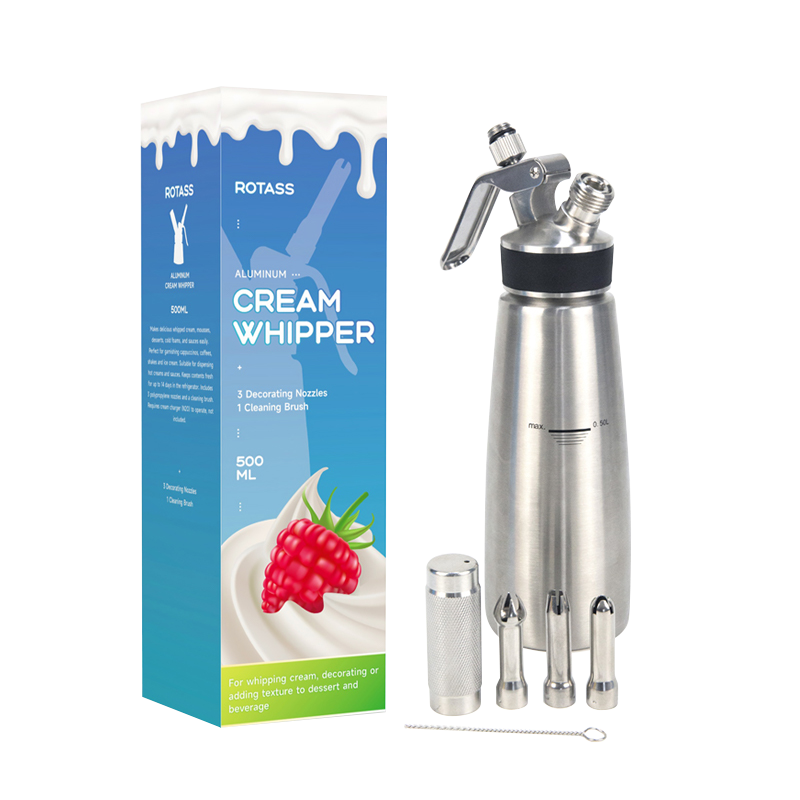
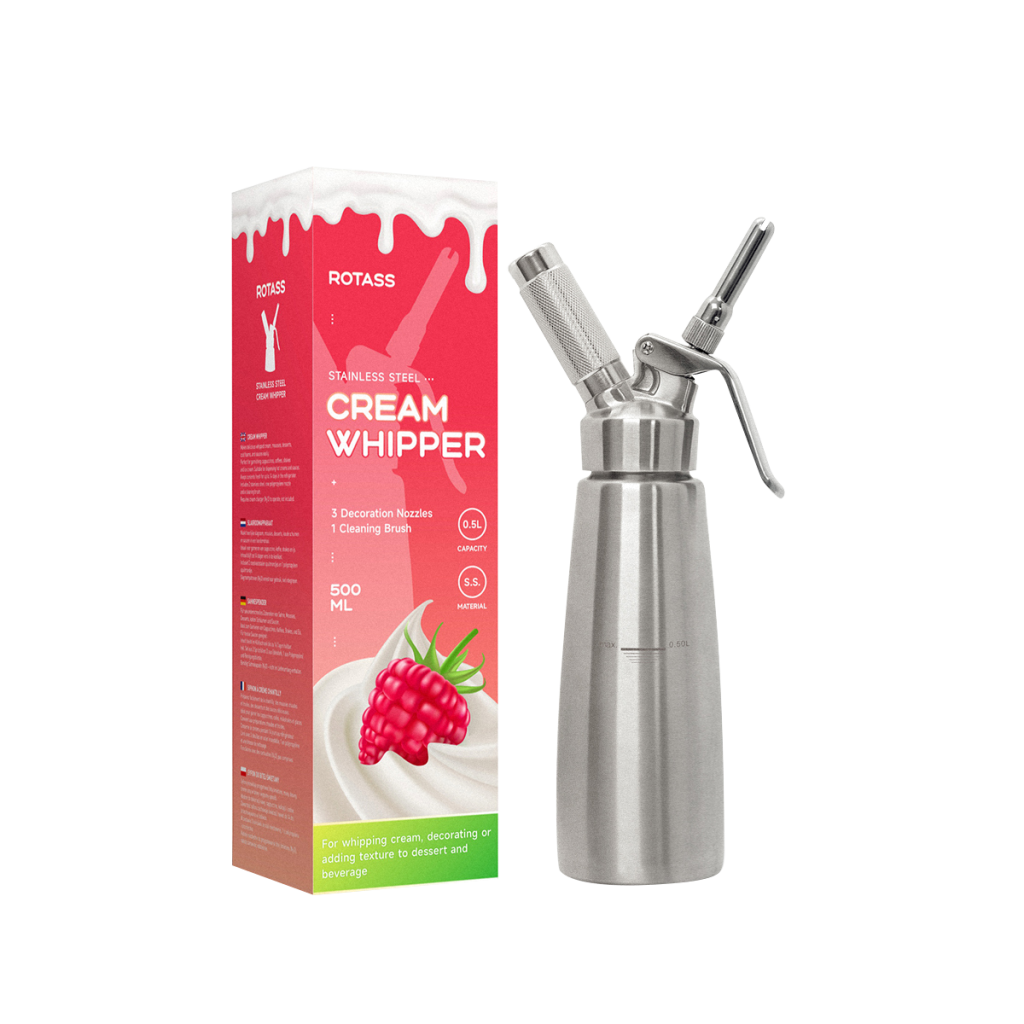
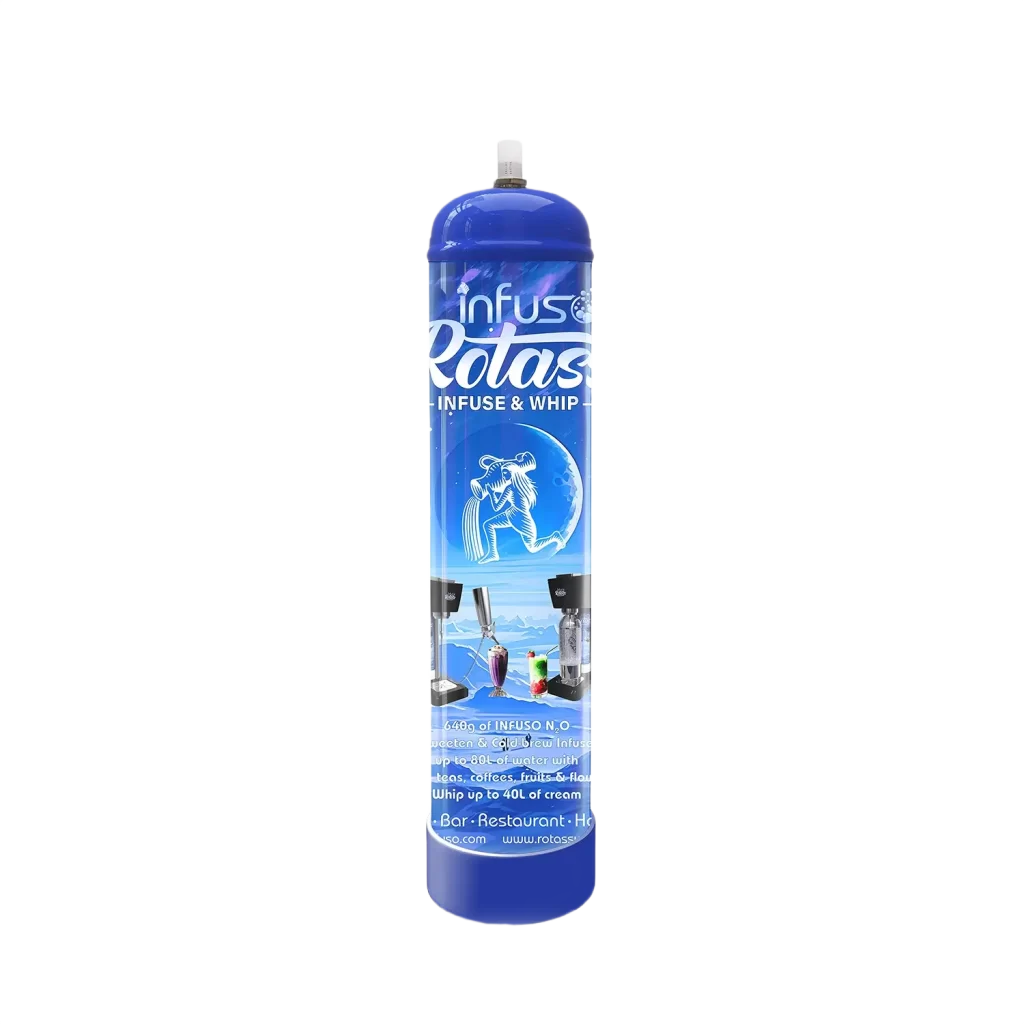
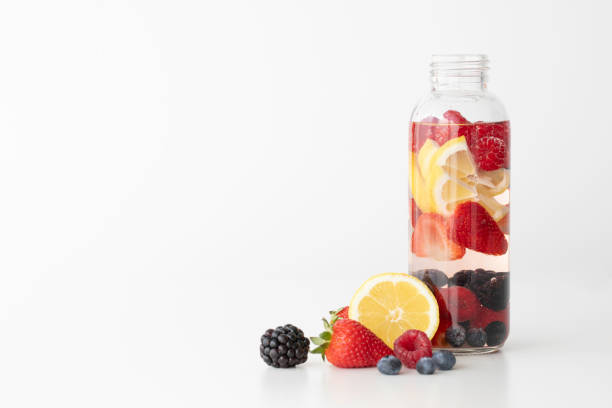
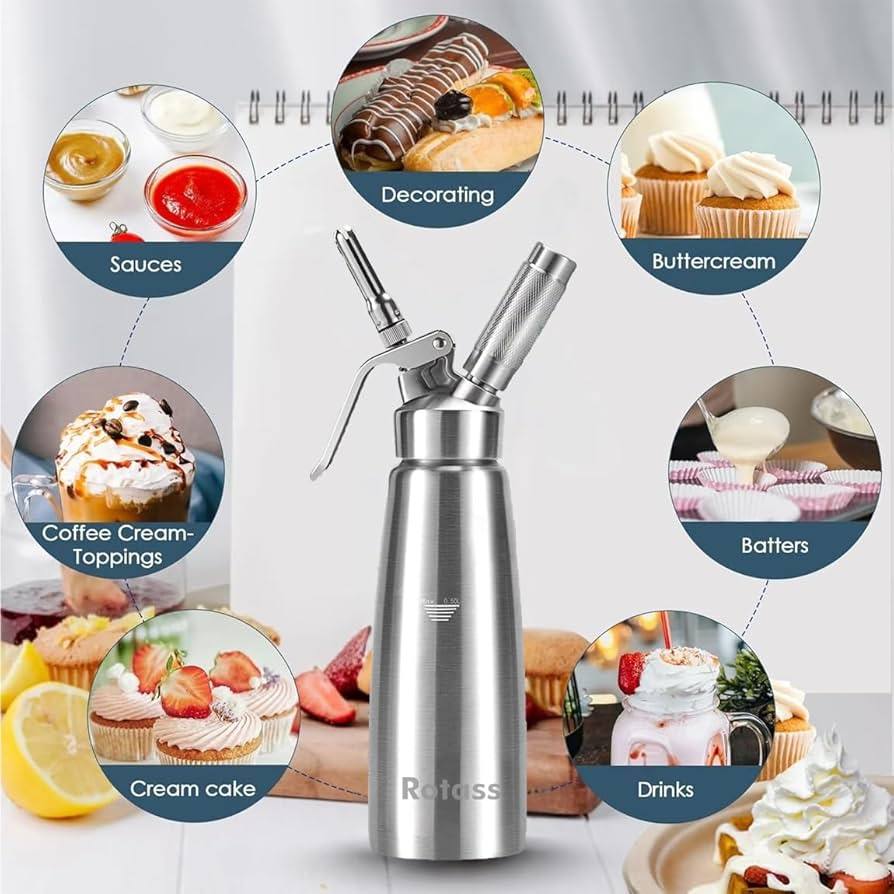
Unlike traditional infusion, rapid infusion is a technique that relies on pressure changes to accelerate flavor extraction, usually accomplished through whipper or dispenser and N₂O cream charger.
Its basic principle can be simplified into three steps:
- Put the solid raw materials and liquid into a sealed container
- Pressurization is achieved by injecting N₂O gas
- As the pressure is rapidly released, the gas escapes from the liquid, while the flavor is quickly brought into the interior of the liquid
The entire process usually only takes 2 to 10 minutes to complete a full flavor extraction. It is precisely because this approach significantly shortens the time for flavor formation that it is widely applied in:
- Creative cocktails
- Cold brew coffee
- Flavored drinking water
- Molecular gastronomy
- Freshly mixed products from restaurants and bars
Traditional Infusion vs. Rapid Infusion: What’s the Difference
Judging from the results, both methods will eventually produce flavorful liquids, but there are essential differences between them in terms of implementation methods, efficiency and stability.
1. Differences in time efficiency
Traditional infusion relies on natural diffusion and takes time ranging from a few hours to several weeks.
rapid infusion drives flavor migration through pressure changes and can be completed in as short as a few minutes.
This difference is particularly evident in application scenarios with high efficiency requirements.
2. Different ways of flavor expression
The flavor presentation method of traditional infusion is more of a “gradual” type. It is relatively light at the beginning and gradually thickens over time, with a softer layering.
The flavor expression of rapid infusion is more concentrated and direct, with a quick release of aroma and a clearer taste upon entry.
In terms of taste experience, there is no absolute superiority or inferiority between the two; rather, they differ in style.
3. Stability and consistency
Traditional infusion is easily affected by environmental factors such as temperature, the degree of container sealing, and the maturity of raw materials, and there will be certain differences between different batches.
The operation process of rapid infusion is highly standardized. After controlling the proportion of raw materials and operation steps, the flavor result is more stable.
This is also one of the important reasons why Rapid Infusion is more favored in commercial production scenarios.
4. Differences in operational thresholds
Traditional infusion requires almost no professional equipment and can be completed in glass bottles or sealed jars.
Rapid infusion requires whipper and cream charger, which is somewhat dependent on the process.
However, in terms of efficiency and control accuracy, the existence of such a threshold has also brought about higher controllability.
5. The ways of handling security are different
Traditional infusion basically has no pressure risk and is relatively safe.
Rapid infusion involves gas pressure. Food-grade gas bombs must be used and operations must be strictly carried out in accordance with the specifications.
Under standardized operation, both can maintain a relatively high level of safety.
6. The difference in trial-and-error costs
Once the proportion of traditional infusion is wrong, it often requires waiting for several days or even longer again.
Even if the rapid infusion fails, the plan can be quickly adjusted and remade.
This advantage is particularly important in the stages of new product development and flavor testing.
Adaptability in different application scenarios
Scenarios where traditional infusion is more suitable
- Basic flavor essence that requires long-term storage
- Prepare materials in large quantities in advance
- Products that pursue the natural evolution of flavor layers
For example:
- Vanilla-infused wine
- Flavored olive oil
- Long-term used base liquor flavor liquid
Scenarios where rapid infusion is more suitable
- Freshly mixed cocktails
- The flavor of cold brew coffee is enhanced
- Functional flavored water
- Creative beverages and molecular gastronomy applications
In an environment that emphasizes efficiency, creativity and on-site production experience, the advantages of Rapid Infusion are very obvious. Essentially, the two are not in a substitutive relationship but rather two tools suitable for different rhythms and scenarios.
The Reasons Why Rapid Infusion Becomes a Hot Trend
In recent years, the popularity of rapid infusion in bars, cafes and creative kitchens has significantly accelerated. The main reasons behind this include:
- The production efficiency has been significantly improved
- The flavor results are easier to standardize
- There is greater space for creative combinations
- The visual presentation is more attractive
These factors have jointly driven the rapid infusion to gradually move towards mainstream application.
Finally, We Would Like To Say
Traditional infusion is about trading time for the depth of flavor, while rapid infusion is about trading technology for the efficiency of time.
They serve different needs and each plays a different role. With the popularity of tools such as whipper and cream charger, rapid infusion is constantly expanding its application boundaries, gradually moving from professional bars to a wider range of home and business environments.There is no absolutely correct answer to which way to choose. What truly matters is whether you value the accumulation of flavor more or the control of time.