2026 / 01 / 19
How to Choose the Right N2O Tank Size for Kitchens & Cafés?
Table of Contents
In the realm of modern catering and specialty coffee, cream whipping technology is no longer confined to simple dessert garnishes. From nitrogen foams in molecular gastronomy to the ever-popular nitro cold brew, a consistent and efficient supply of N2O (Nitrous Oxide) has become a standard requirement for professional kitchens.
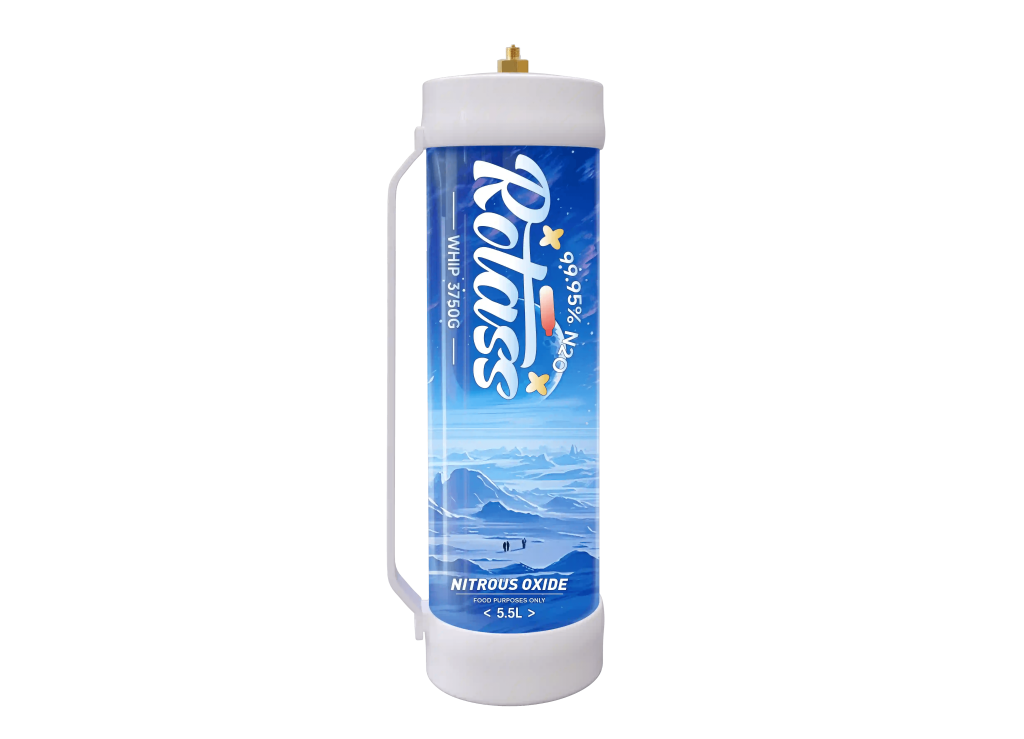
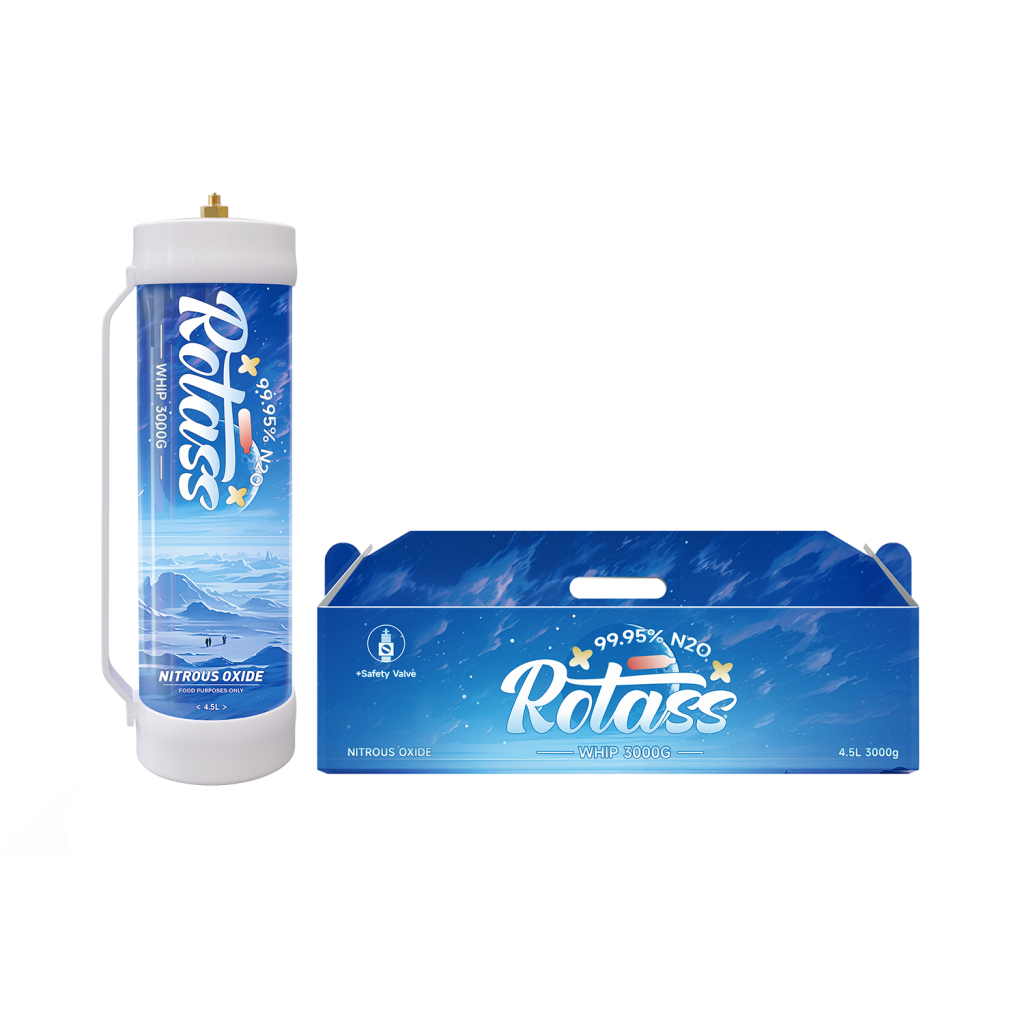
However, as the industry shifts from traditional 8g chargers to high-capacity cylinders, operators often face a dilemma when presented with Rotass diverse range—including 640g, 2.2L, and 3.3L options. Which size is the optimal choice to balance service efficiency with effective cost control?
Overview Rotass Product Line of N2O Tank Sizes
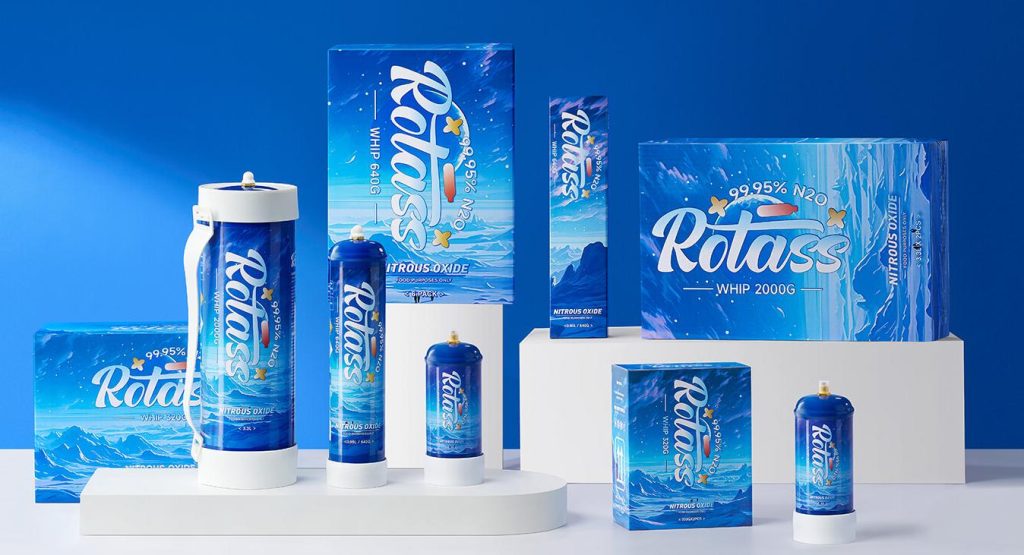
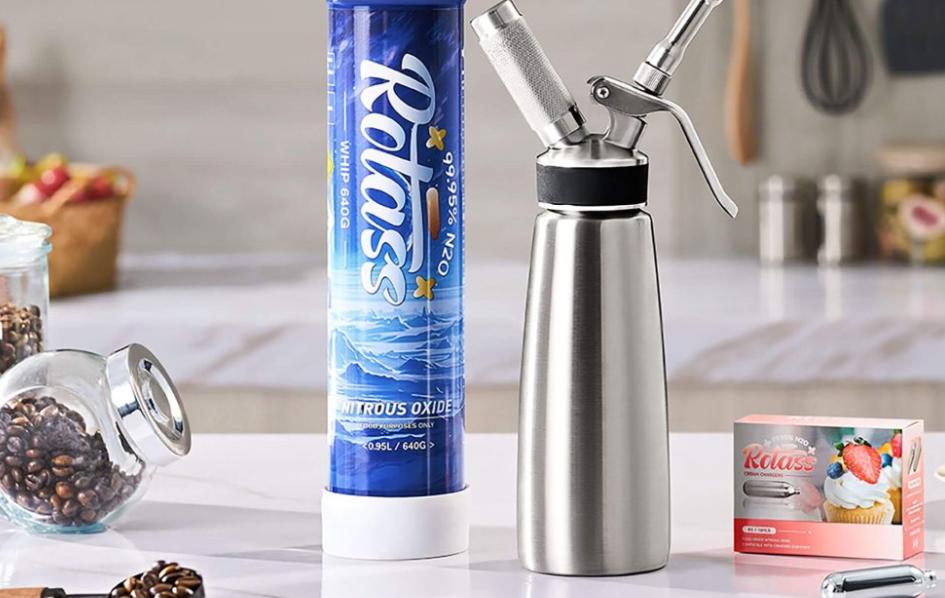
640g Lightweight Version
This is designed for ultimate flexibility. It is compact in size and can be easily placed in a drawer or a small storage cabinet. Since it doesn’t occupy fixed space, it is perfect for those who occasionally need a cream gun or for boutique stores with extremely limited operating space.
2.2L Advanced Edition
As the current market mainstream, the 2.2L specification has achieved a perfect balance between volume and capacity. It can provide a longer operating time than smaller-sized gas cylinders, while not being as heavy as the super-large specifications. For most medium-sized coffee shops with moderate daily consumption, this is the most universally applicable choice.
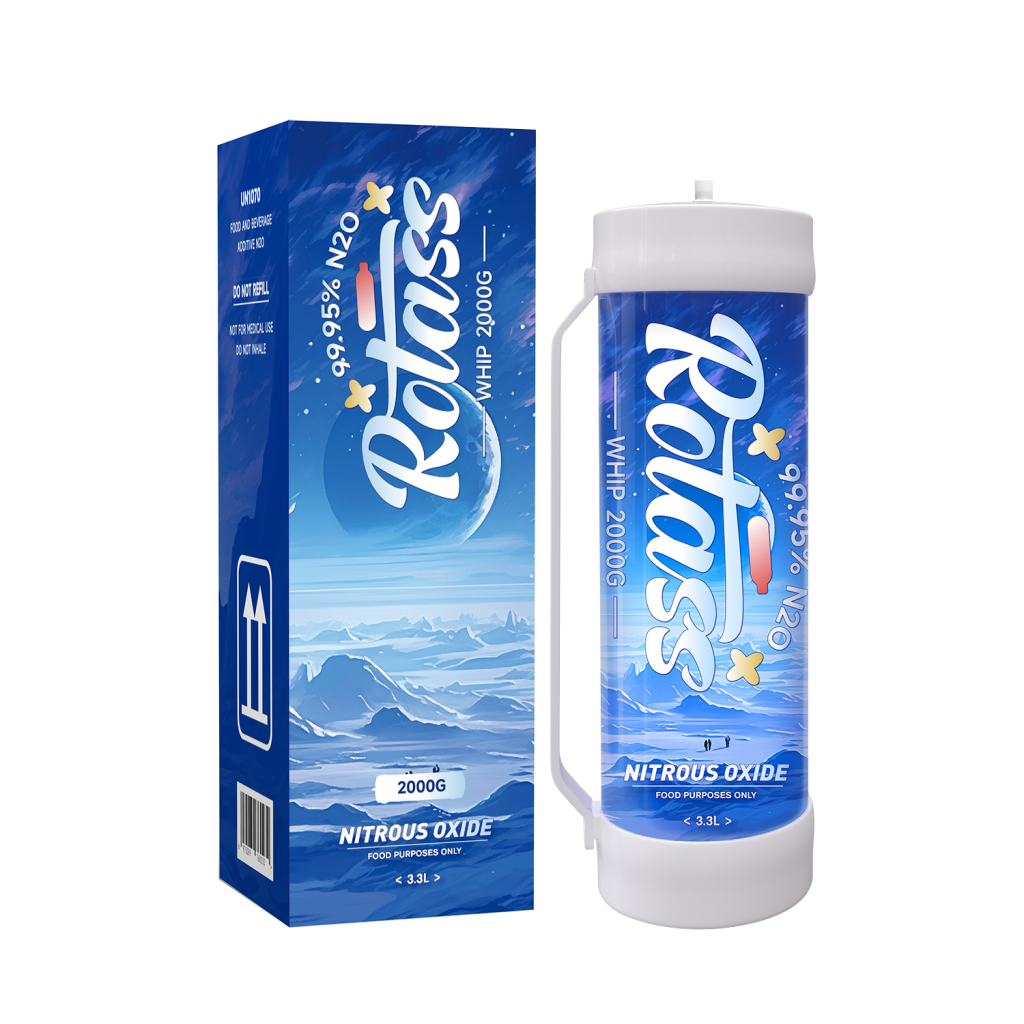
3.3L High Efficiency Version
This is specially designed for high-intensity working environments. Its gas capacity can support continuous food preparation at high frequencies, significantly reducing the intervals for replacing gas cylinders. For chain stores or large catering institutions, it is not only a tool but also a guarantee to ensure the food preparation rhythm during peak hours.
Key Factors When Choosing the Right N2O Tank Size
When choosing the size of the gas cylinder, one should not only consider the volume, but also pay attention to its profound impact on daily operations.
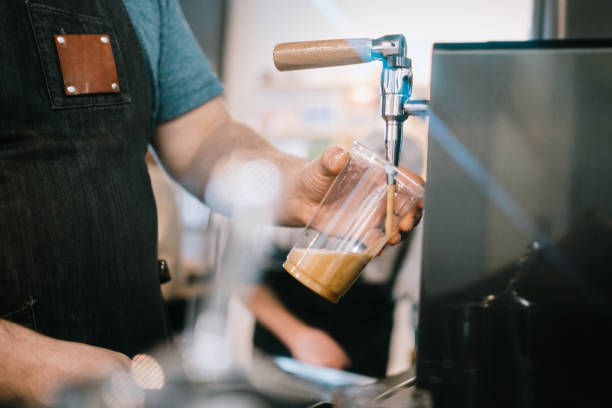
Workflow Efficiency
An intuitive reference is as follows: One large-capacity gas cylinder can replace hundreds of traditional 8g small cartridges. This means that your employees will no longer have to repeatedly perform the actions of disassembling, tightening, and discarding the discarded cartridge shells during busy business hours. If you find that employees spend more than 10 minutes each day on replacing the gas cartridges, upgrading to a 2.2L or 3.3L gas cylinder will directly result in the release of labor.
Operational Space
Large gas cylinders (such as 3.3L) usually need to be used in conjunction with pressure regulators and hoses, which means they are more suitable for “fixed-site” operations – that is, the cylinders are fixed below the bar counter and connected to the work area through long hoses. If your staff need to frequently move the cream gun between different counters, then the 640g or 2.2L sizes, which are relatively easier to handle, would be more convenient.
Cost Control
In the catering industry, the control of marginal costs is of utmost importance. Although the one-time purchase cost of a 3.3L gas cylinder is slightly higher, by comparing the “unit price per gram of gas”, it can be seen that the large-sized gas cylinder offers a much better value for money compared to the small-sized one. In the long run, this investment can significantly reduce the cost of consumables for each drink or dessert.
Matching Tank Size to Different Kitchen & Café Scenarios
To assist you in making a more concrete choice, we have classified the business types into the following three categories:
Small Stores Or Mobile Stalls
If you are just starting to offer cream beverages, or if you are operating a mobile food truck or pop-up store, the 640g size is the best choice for experimentation. It has a low investment, doesn’t take up much space, and is convenient for adjusting positions flexibly within a limited area.
Medium-Sized Specialty Coffee Shops
These establishments usually have a steady flow of customers and have high requirements for the texture of cream. The 2.2L specification with a regulator can provide a constant pressure output, ensuring that each snowcap is plump and upright, while avoiding the awkwardness of frequent interruptions.
Large Restaurants
For such customers, any equipment failure or consumable depletion would be an expensive waste of time. The 3.3L specification offers extremely strong endurance, allowing the operator to focus solely on the work throughout the business hours without any distractions.
Home Baking
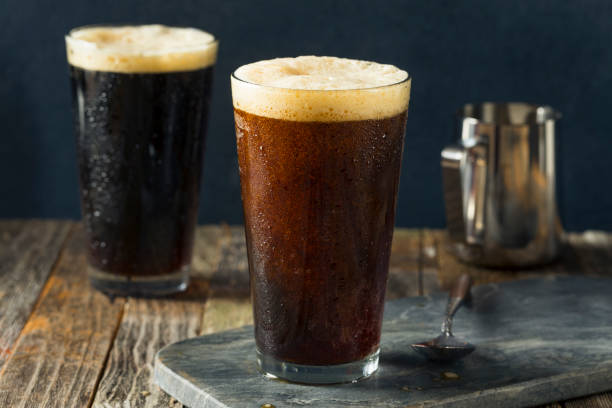
If you only occasionally try nitrogen cold brew coffee at home, or need to bring your equipment to different locations for parties, the 640g lightweight option will be your top choice.
Conclusion
While paying attention to the specifications, the purity of the gas cannot be ignored either. All Rotass products are made with 99.9% pure food grade.
The use of high-purity gases is not only for food safety, but also for protecting your equipment. Low-purity gases may contain industrial residues, and long-term use can easily clog the core components of the cream gun or regulator. Choosing the appropriate specification is important, but choosing a pure source is the prerequisite for ensuring consistent food quality.
Choosing the appropriate cylinder size essentially involves seeking a more scientific production method. If you are looking for the ultimate efficiency and cost-effectiveness, 3.3L is the undisputed choice. If you need to balance space and output, 2.2L is the sensible middle ground.
Would you like to know more about the matching solutions for gas cylinders and pressure regulators? Or do you need to apply for an exclusive bulk supply price for your large-scale stores? Please simply click the button below to contact our professional consultant at any time.