Share your requirements with Rotass now!
Canned Whipped Cream vs. Homemade vs. Whipped Cream Dispenser: Which One Is Better?
Whipped cream is one of those things most people don’t think twice about, just grabbing a can from the fridge, press the nozzle, done. But if you’ve ever had whipped cream at a good café or made it properly from scratch, you know there’s a noticeable gap between that and what comes out of a supermarket aerosol can.
So which method is actually worth your time and money? This guide compares all three — canned whipped cream, homemade, and a whipped cream dispenser — on taste, cost, convenience, and real-world usability. Whether you’re using it at home or running a food business, this covers both sides.
What’s Really Inside Canned Whipped Cream
Most people assume a can of whipped cream is basically just cream in a pressurized container. That’s partially true. Cream is usually listed first on the label, but the actual cream content tends to be lower than you’d think. The rest of the can is made up of sugar, stabilizers like carrageenan, and a propellant — typically nitrous oxide, or in cheaper products, a blend that includes propane or isobutane.
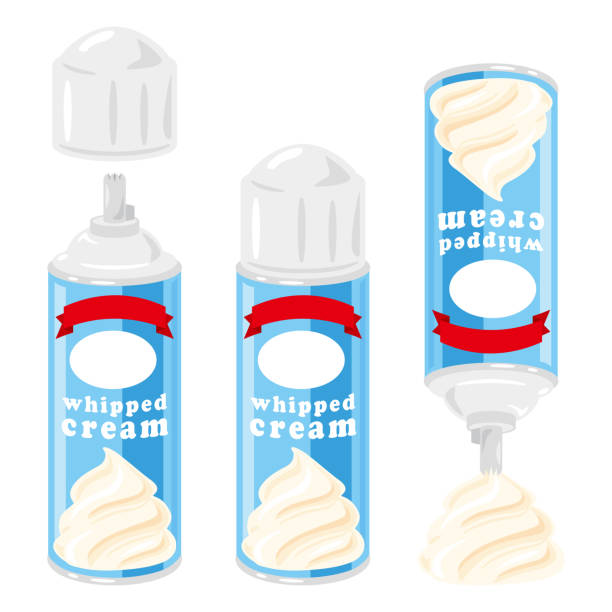
The propellant is what pushes the cream out and creates that airy texture on contact with air. It works fine for what it is, but the tradeoff is that you have zero control over the result. The texture, sweetness, and density are already decided at the factory.
There’s also a practical waste issue that doesn’t get talked about much: somewhere between 10 and 15 percent of the cream in most cans can’t actually be dispensed. It sits at the bottom and won’t come out regardless of how you tilt the can. You’re paying for it either way.
For anyone buying at commercial volume such as cafés, dessert shops, bubble tea businesses, canned whipped cream creates real inventory headaches. Shelf life management, inconsistent output between individual cans, and unit costs that don’t get cheaper at scale are problems that add up over time.
Homemade Whipped Cream Tastes Better But Has Limits
There’s no real debate on flavor. Whipped cream made from scratch, with just heavy cream and sugar, tastes noticeably better than anything from a can. The texture is denser, the dairy flavor is more pronounced, and it doesn’t have that faint chemical aftertaste that some aerosol products leave behind.

The practical side is where it gets more complicated. To get reliable results, you need heavy cream with at least 35% fat content, anything lower and it won’t whip properly. Cold temperature matters too. Warm cream won’t hold its structure, and neither will a warm bowl or whisk. Most people who struggle with homemade whipped cream are skipping these basics.
Even when you get it right, homemade whipped cream doesn’t last. Refrigerated, it holds for maybe 24 hours before it starts to weep and lose structure. Under heat — say, on top of a hot drink, it deflates within minutes.
For home use, none of that is a dealbreaker. You make it fresh, use it the same day, and it’s fine. For a café handling 50 or 100 drinks a day, making whipped cream by hand or with a stand mixer isn’t realistic. Output varies between batches, prep takes time during high-demand periods, and consistency is hard to guarantee across staff.
What a Whipped Cream Dispenser Actually Does Differently
A whipped cream dispenser also called a cream whipper or siphon works by pressurizing heavy cream inside a sealed container using a small nitrous oxide charger. Press the lever, and the pressure difference aerates the cream instantly as it comes out.
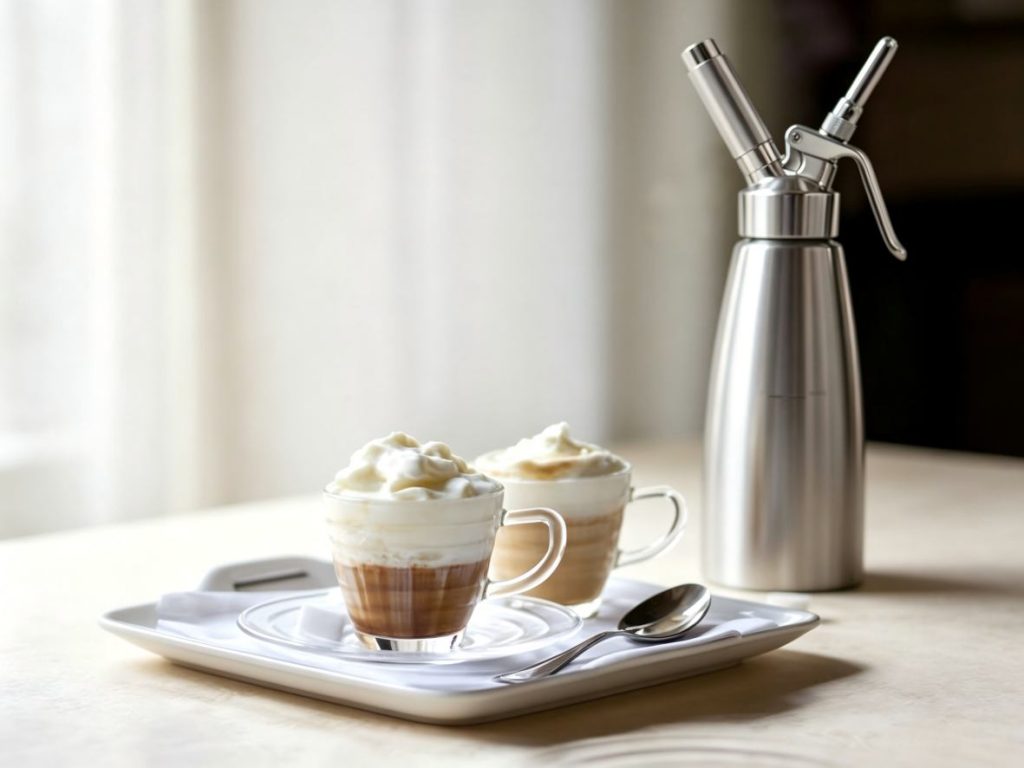
The result is much closer to homemade than to canned. Because you’re filling the dispenser yourself, you control everything: the fat content of the cream, the sweetness, whether you want to add vanilla or cocoa or anything else. And there’s no locked-in factory formula.
Cost is where the dispenser argument gets really straightforward. A decent stainless steel dispenser runs $40–$80 as a one-time purchase. Cream chargers, bought in any reasonable quantity, cost well under $1 each. Heavy cream bought in bulk is significantly cheaper per serving than the equivalent from an aerosol can. The break-even point against canned whipped cream usually comes within a few weeks of regular use, sometimes faster.
For commercial use, there’s an additional reason most professional kitchens and cafés move away from cans once they hit a certain volume: consistency. A dispenser produces the same output every time, as long as the same cream and technique are used. Staff can be trained to a standard. Flavor and texture can be adjusted per menu item. None of that is possible with a can.
Rotass makes stainless steel dispensers and cream chargers for both home and commercial use, with options that work across different output volumes.
Canned vs. Homemade vs. Dispenser: Full Comparison
| Canned | Homemade | Dispenser | |
| Taste & Texture | Decent, airy | Best, creamy | Close to homemade |
| Convenience | Highest | Low | Medium |
| Long-term Cost | Higher | Low | Lowest |
| Ingredient Control | None | Full | Full |
| Output Consistency | Stable | Variable | Stable |
| Shelf Life (ready) | Weeks (opened) | 24 hours | 24 hours |
| Works for Commercial Use | Limited | Not recommended | Yes |
Which Type of Whipped Cream Should You Actually Use
If you use whipped cream a few times a month and convenience is the main thing, a can is fine. There’s no real reason to overthink it for occasional use.
If you’re making whipped cream regularly at home and the flavor actually matters to you, for baking, for entertaining, or just personal preference, homemade is worth the extra few minutes. The quality difference is real enough that most people who try it don’t go back to cans for regular use.
If you’re going through whipped cream consistently, whether at home or in a business setting, a dispenser makes more sense on every metric: taste, cost, flexibility, and reliability. The upfront cost is the only friction, and it disappears quickly once you’re using it regularly.
For food businesses specifically cafés, tea shops, dessert bars, a dispenser isn’t really a premium upgrade. It’s just the more practical choice once you work through the actual numbers on per-serving cost and factor in consistency across service.
Mistakes People Make With Each Type of Whipped Cream
Canned: Shaking the can too hard before use causes uneven aeration and a less stable foam. Store opened cans upright in the refrigerator, not on their side. Dispensing into a warm bowl speeds up collapse significantly.
Homemade: Using cream below 35% fat is the most common reason it won’t whip. Over-whipping is easy to do and hard to fix, once the texture turns grainy, you’ve gone too far and it won’t recover. Keep the cream, bowl, and whisk cold throughout.
Dispenser: Shake the dispenser after charging to distribute the gas evenly through the cream. Skipping this usually means the first pour comes out watery. Clean the dispenser after every use, cream left in the nozzle or valve is a hygiene issue and affects subsequent batches.
FAQs
Does canned whipped cream contain real cream?
Yes, in most cases. Cream is typically the first ingredient listed, but the proportion varies between brands. Budget products tend to have more stabilizers and less actual cream than premium ones. Reading the ingredient list is the most reliable way to compare.
How long does an opened can of whipped cream last?
Most brands recommend using it within two to three weeks of opening, stored upright and refrigerated. This varies by product, so checking the label is the safest approach.
Why does canned whipped cream go flat so fast?
The foam is created and held by propellant gas, which disperses into the air fairly quickly after dispensing. It’s a structural limitation of the format rather than a quality or storage problem. Cream whipped mechanically or under controlled N₂O pressure holds its structure longer because the fat network is more stable.
Is canned whipped cream the same thing as heavy cream?
No. Heavy cream is the raw ingredient. Canned whipped cream is a processed product that contains cream alongside additives and propellants. They’re not interchangeable in recipes.
How much cheaper is a dispenser compared to buying canned whipped cream?
It depends on local pricing, but as a rough benchmark, making whipped cream with a dispenser typically costs 30–50% less per serving than the equivalent from an aerosol can, once you account for the cost of the charger and bulk cream. The dispenser itself pays for itself relatively quickly with regular use.
Can you add flavors to a whipped cream dispenser?
Yes, and this is one of the more useful things about it. Vanilla extract, cocoa powder, honey, citrus zest, and similar ingredients can be mixed into the cream before charging. Some charger brands also sell pre-flavored options. Avoid anything with solid particles large enough to block the nozzle.
Contact us now, and we’ll get back to you within minutes.