
Share your requirements with Rotass now!
DOT vs. ISO vs. EN Cylinder Certification: What’s the Difference Among the Three Standards?
If you’ve spent any time sourcing gas cylinders for international markets, you’ve almost certainly come across these three terms: DOT, ISO, and EN. They’re often listed together, sometimes used interchangeably and that’s where the confusion starts.
These are not different versions of the same standard. They come from different regulatory bodies, apply to different markets, and carry different legal weight depending on where your cylinders are headed. Getting this wrong doesn’t just cause paperwork headaches — it can mean shipments held at customs, products rejected by distributors, or compliance issues down the line.
So let’s break down exactly what each certification means, how they differ, and how to figure out which one you actually need.
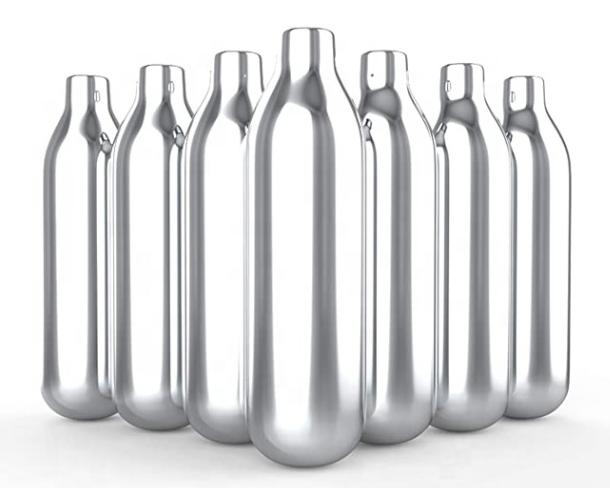
DOT Certification
Who Issues It and Where It Applies
The U.S. Department of Transportation uses DOT as its official abbreviation. All gas cylinders which people transport throughout the United States need to follow the Department of Transportation rules which exist in Title 49 of the Code of Federal Regulations. The U.S. market requires DOT compliance as a legal obligation which businesses must follow because it does not allow any alternative solution.
Common DOT Cylinder Specifications
DOT certifications come in several specifications depending on the cylinder material and intended use. The most commonly referenced ones are:
- DOT 3AA — high-pressure seamless steel cylinders, widely used for industrial and specialty gases
- DOT 3AL — aluminum cylinders, common in applications where weight matters, such as medical oxygen or SCUBA
- DOT 39 — non-refillable cylinders, often used for single-use gas applications
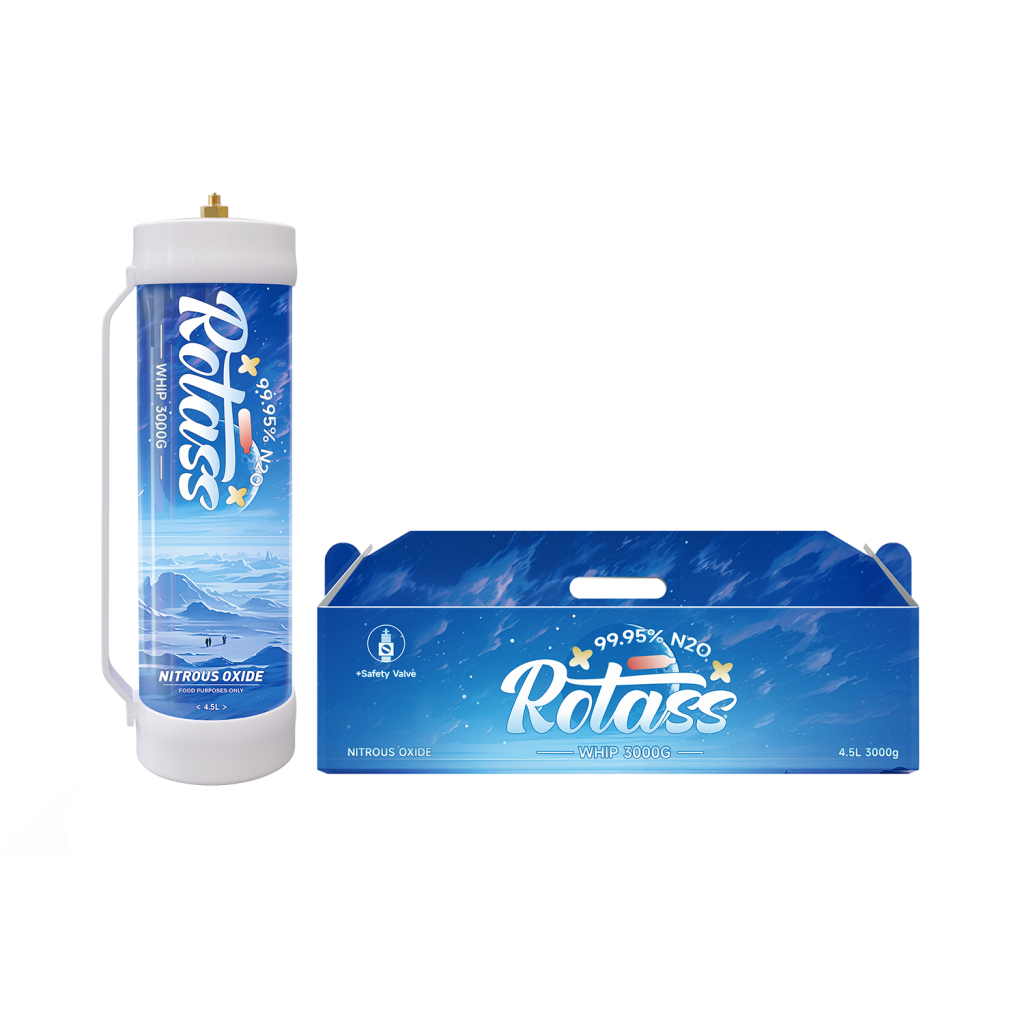
3000g 99.95% purity N2O · Recyclable steel · DOT certificate · Local delivery
Key Requirements Under DOT
DOT-certified cylinders go through a defined set of manufacturing and testing checks before they can be marked and sold. These include hydrostatic (water pressure) burst testing, wall thickness verification, and visual inspections.
Once in service, cylinders don’t stay certified forever. Requalification typically a hydrostatic retest is required every 5 or 10 years depending on the cylinder type. The test date, manufacturer mark, and specification code must be permanently stamped on the cylinder shoulder so they’re traceable throughout the product’s life.
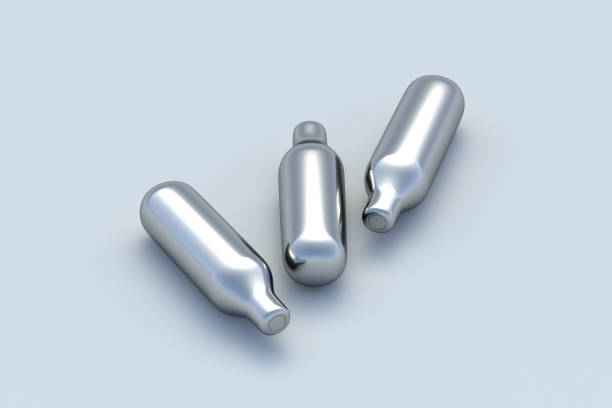
ISO Certification
Who Issues It and Where It Applies
ISO standards are published by the International Organization for Standardization, a Geneva-based body with members from over 160 countries. Unlike DOT or EN, ISO standards are not tied to a specific jurisdiction — they’re internationally agreed-upon technical benchmarks.
ISO certification does not function as a mandatory requirement which applies to all cases. The system establishes a shared technical vocabulary which engineers and scientists can use to communicate their work. Many countries use ISO standards to create their national regulations while large procurement contracts require ISO compliance as their fundamental requirement.
Common ISO Standards for Gas Cylinders
Several ISO standards apply specifically to gas cylinders:
- ISO 9809-1/2/3 — refillable seamless steel cylinders, covering different pressure ranges and wall thickness categories
- ISO 11118 — non-refillable metallic cylinders
- ISO 11119 — composite cylinders (fiber-reinforced)
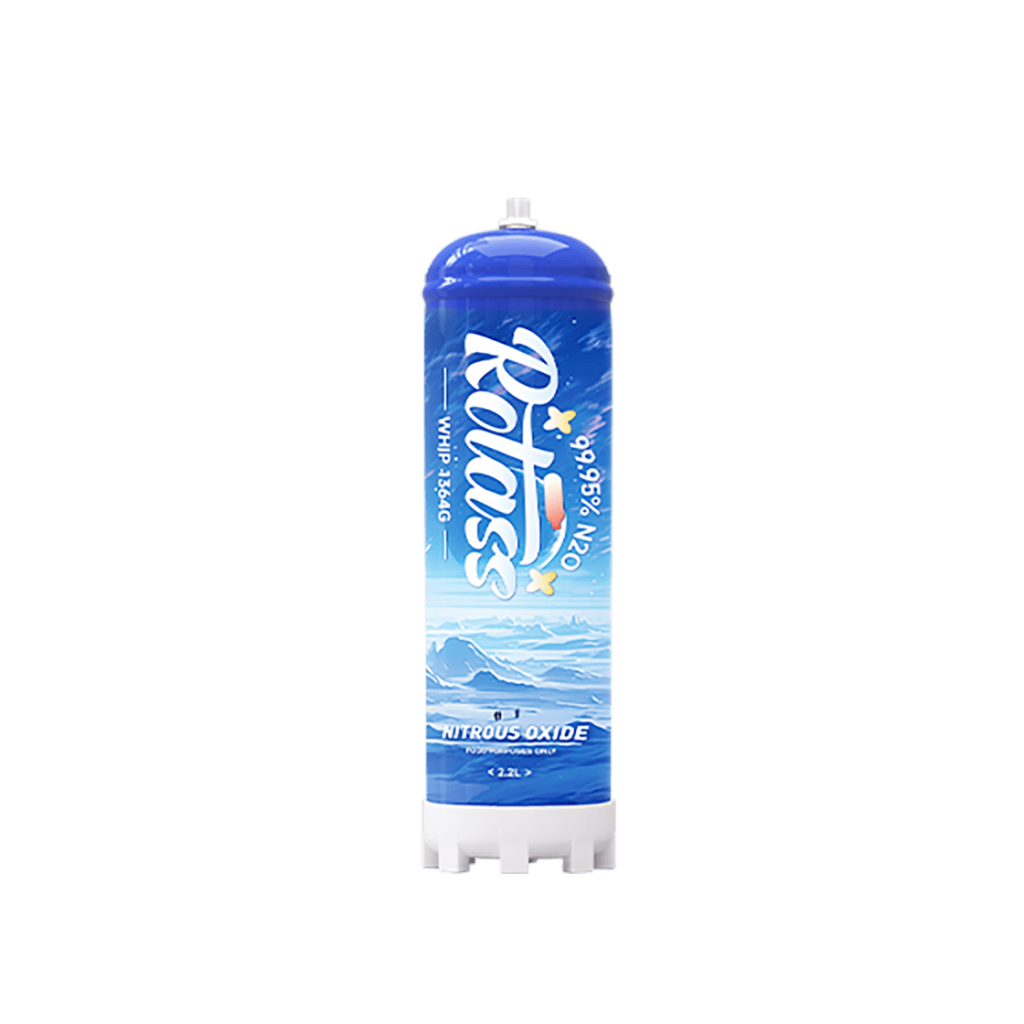
Food grade N2O · Recyclable steel · ISO certificate · More flavors
Key Requirements Under ISO
ISO standards define the design validation process, type testing procedures, and marking requirements for cylinders. Manufacturers must demonstrate that their products meet the specified technical criteria through a formal type approval process.
One important thing to understand: ISO certification alone doesn’t automatically satisfy DOT or EN requirements. Countries and regions interpret and adopt ISO standards differently. Some incorporate them directly into law; others treat them as a reference point alongside their own requirements. If you’re selling into a specific market, always verify how that market applies ISO standards locally.
EN Certification
Who Issues It and Where It Applies
EN stands for European Norm, published by CEN (European Committee for Standardization). EN standards are mandatory across European Union member states and the European Economic Area (EEA). They operate alongside the EU’s Pressure Equipment Directive (PED 2014/68/EU), which sets the legal framework for placing pressure equipment on the European market.
If a cylinder carries CE marking, it means the manufacturer has declared conformity with the relevant EU directives including the applicable EN standards. Without CE marking, the cylinder cannot legally be sold in the EU.
Common EN Standards for Gas Cylinders
- EN 1442 — refillable welded steel cylinders, mainly for liquefied petroleum gas
- EN 13322 — refillable seamless steel and aluminum cylinders
- EN ISO 11118 — non-refillable metallic cylinders (aligned with the ISO equivalent)
Key Requirements Under EN
EN certification requires more than a manufacturer’s self-declaration. A third-party Notified Body needs to conduct type testing and continuous compliance evaluation for most pressure cylinder designs because this organization has received official authorization from an EU member state. The manufacturer issues a Declaration of Conformity (DoC) after completing the CE marking process. The relevant EN standard and national enforcement authorities establish the required intervals and procedures for periodic requalification.
DOT vs. ISO vs. EN — Key Differences at a Glance
Here’s a direct comparison across the dimensions that matter most for sourcing decisions:
| DOT | ISO | EN | |
| Issuing Body | U.S. Department of Transportation | International Organization for Standardization | European Committee for Standardization (CEN) |
| Mandatory Market | United States | No single market (international reference) | EU / EEA |
| Legal Basis | 49 CFR | ISO standards (adopted locally) | PED 2014/68/EU |
| Third-Party Certification | DOT-authorized inspection agency | Varies by country | Notified Body (EU-designated) |
| Marking Required | DOT specification code + manufacturer mark | ISO marking per standard | CE marking + DoC |
| Requalification | Every 5 or 10 years (hydrostatic retest) | Defined by local regulation | Periodic, per EN standard |
| Mutual Recognition | Not directly recognized in EU | Used as baseline reference | Not directly recognized in U.S. |
Which Certification Do You Actually Need?
Exporting to the United States → Must comply with DOT standards
There is no flexibility in this regard. Any cylinders sold to the United States or used in that country must conform to DOT specifications. If you supply to distributors, retailers, or end-users in the American market, obtaining DOT certification is an essential starting point.
Exporting to Europe → Must have EN mark and CE mark
To enter the EU market, cylinders must comply with relevant EN standards and carry the CE mark. For most cylinder categories, the certification process must involve a designated agency. Obtaining only ISO certification is not sufficient to enter the EU market.
Operating across multiple markets → ISO as a common benchmark
For manufacturers and distributors operating in different regions, ISO standards provide a useful common framework. Many suppliers seek dual certification – for example, a cylinder that meets both DOT 3AA standards and ISO 9809-1 standards – to supply multiple markets from the same product line. This is technically feasible, but it requires careful coordination during the design and manufacturing process.
Can a cylinder obtain multiple certifications at the same time?
Yes, and this is more common than you might think. Depending on the type of cylinder, application, and target market, it is possible to design and test a cylinder that simultaneously meets the requirements of DOT, ISO, and EN standards. However, each standard has its own testing and documentation requirements, so the entire process needs to be planned from the beginning, rather than added afterwards.
Need certified cylinders for your specific market? Contact the Rotass team for sourcing guidance and product availability across DOT, ISO, and EN-compliant cylinder options.
Contact us now, and we’ll get back to you within minutes.