2024 / 04 / 22
Nitrous Oxide Tank Types: Food Grade vs Medical vs Industrial vs Electronic Grade
Last Updated: April, 22, 2026
Nitrous Oxide Tank is popularly used in various fields so they can be divided into different types. This article will introduce you to the definition of nitrous oxide tank, their types of them, and the difference among nitrous oxide tanks.
What is a Nitrous Oxide Tank?
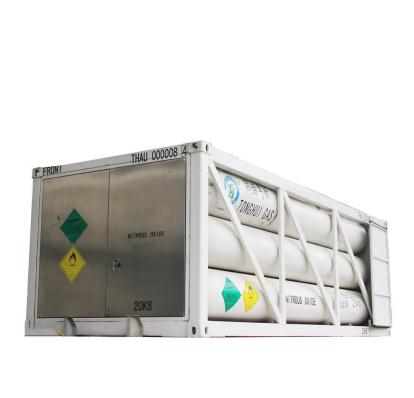
Nitrous oxide, sometimes known as laughing gas, is a colorless, non-flammable gas with a mildly sweet flavor and aroma. This is not a naturally occurring gas, but rather one that has been created. The gas is often stored as a pressurized liquid in gas canisters and tanks known as nitrous oxide tanks.
When gas is evacuated from a cylinder or tank, it expands to form nitrous oxide. The N2O being discharged from a canister can produce severe freeze burns if it comes into direct contact with the skin.
What are the types of Nitrous Oxide Tanks?
As you know, there are applications of nitrous oxide in food, medicine, semiconductor, and so on. Based on the applications of nitrous oxide, nitrous oxide can be divided into food-grade nitrous oxide, medical-grade nitrous oxide, industrial-grade nitrous oxide, and electronic-grade nitrous oxide. Thus, the nitrous oxide tank can be divided into food-grade nitrous oxide tanks, medical-grade nitrous oxide tank, industrial-grade nitrous oxide tank, and electronic-grade nitrous oxide tanks.
What’s the Difference Between Different Nitrous Oxide Tanks?
According to the above introduction of Nitrous Oxide Tank Types, you could find the same features of these nitrous oxide tanks. Both of them are filled with Nitrous Oxide and are stored in gas canisters and tanks. But there is some difference among these nitrous oxide tanks.
The Overview of Different Nitrous Oxide Tanks
| Nitrous Oxide Tank Comparison | Food Grade Nitrous Oxide Tank | Medical Nitrous Oxide Tank | Electronic Grade Nitrous Oxide Tank | Industrial Grade Nitrous Oxide Tank |
| Application | Food & drink industry | Medical industry | Electronic markets such as semiconductors, microchip, LED, etc | Industrial markets such as astronauts & race cars |
| Purity | 99.9%~99.95% | 99.9% and above | 99.999% and above | Lees pure (98%) |
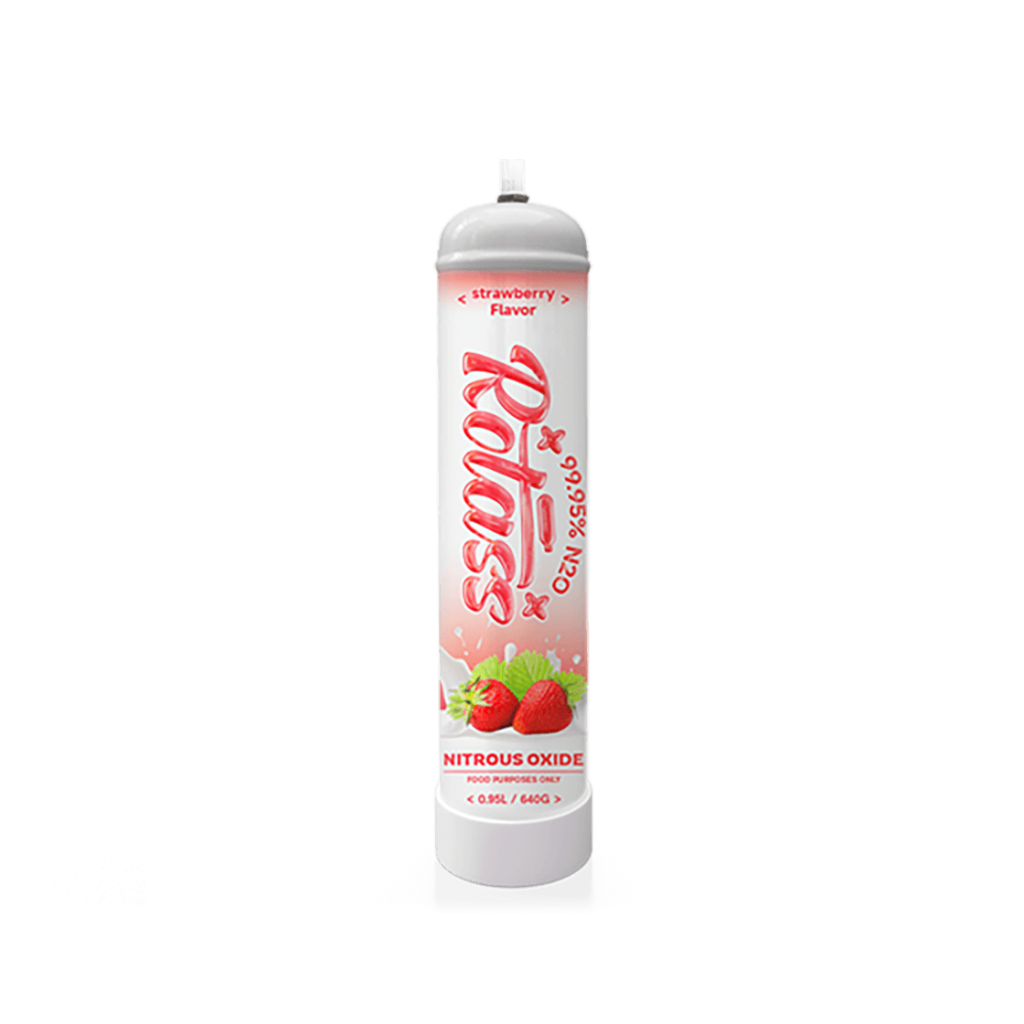
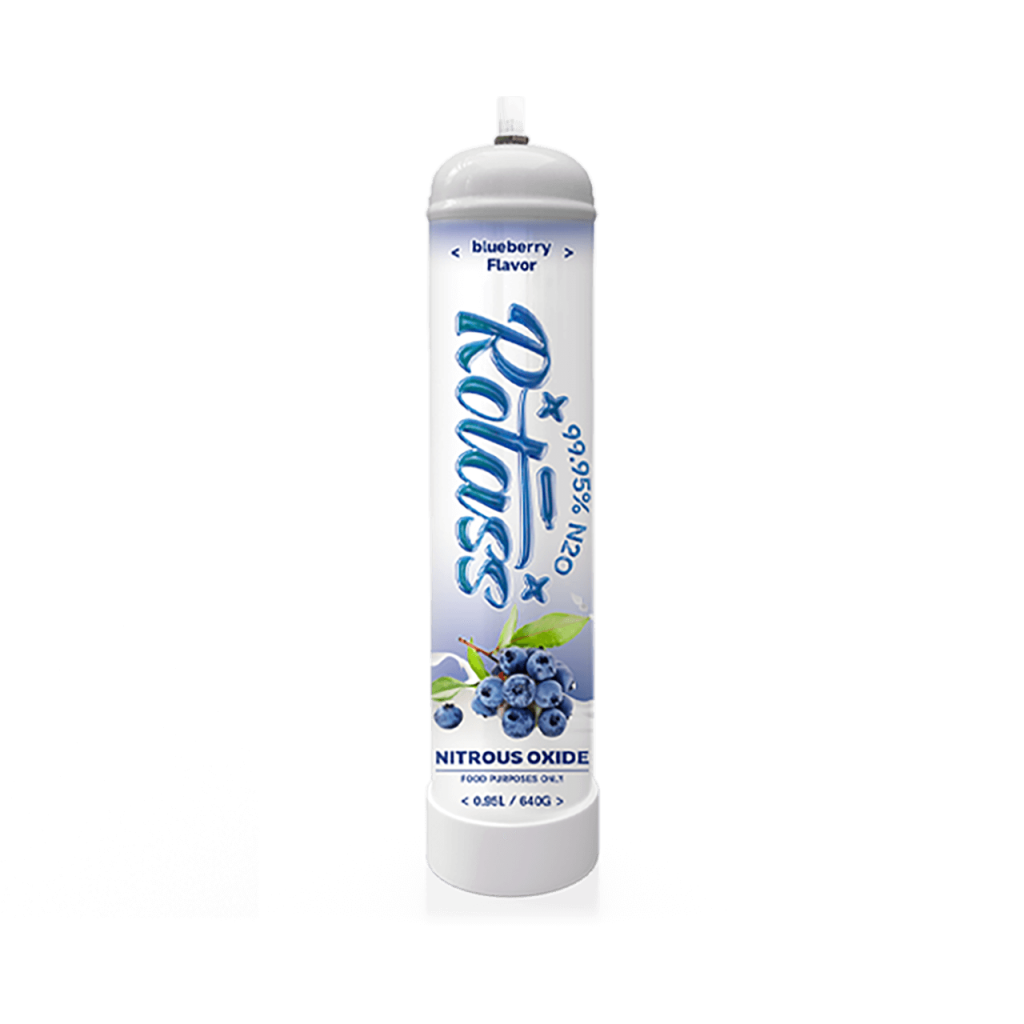
| Where to Get | Food Grade Nitrous Oxide Tank Manufacturers like Rotass | Specialty gas factory | Specialty gas factories such as Tonghui Gas | Specialty gas factory |
The Detail Introduction of the Different Nitrous Oxide Tanks
The food-grade nitrous oxide tank is an N2O cylinder that is utilized in the food sector and so has the appropriate quality. This is due to the refined nature and 99.9% purity level of this food-grade nitrous oxide tank.
In order to whip cream, N2O is the best medium. Nitrous oxide is simple to utilize and has little to no impact on food flavor. As E942, laughing gas is a permitted food additive. Thus, food-grade nitrous oxide can come into close touch with food products while also containing additives. Besides, you can call the food-grade nitrous oxide tank a cream charger.

The medical-grade nitrous oxide tank is manufactured for usage in the medical field. Doctors – traditionally dentists – utilize medical-grade nitrous gas as a conscious sedative to help manage patients’ pain and anxiety during minor surgical operations, as it was designed. Medical-grade nitrous gas, as opposed to food-grade nitrous oxide, is inhaled by patients in conjunction with oxygen. The medical-grade substance is free of any binders, fillers, and other types of contamination. It is precision-engineered to suit pharmaceutical production standards and is also exceedingly pure.
The electronic-grade nitrous oxide tank is a high-purity nitrous oxide tank mainly used in processes such as oxidation and chemical vapor deposition (CVD deposition of silicon nitride) in semiconductor, LCD, and OLED manufacturing processes. As the market demand for semiconductor chips and LCD panels increases, the amount of nitrous oxide, an important gas material, will also increase year by year.
The industrial-grade nitrous oxide tank is mainly employed in the industrial industry. This kind of nitrous oxide (N2O) is less pure. Impure gas is another name for it, and as a result, this variety is likewise less expensive. Gas has a degree of purity. Technical nitrous oxide has a 98% purity level. Using nitrous oxide as an oxidizer, for example, may launch a rocket into space. In race vehicles, it is utilized to increase the engine’s power.
Key Considerations When Selecting an N2O Tank
When choosing an N2O (nitrous oxide) tank, several critical factors should be carefully considered:
- Material and Corrosion Resistance: The tank should be constructed from materials suitable for long-term storage of high-pressure gases, typically high-strength steel or aluminum alloys. It must exhibit excellent corrosion resistance to withstand the chemical properties of N2O.
- Capacity and Dimensions: Select a tank capacity and size that aligns with your specific application requirements. Ensure it is adequate to meet your usage needs without being excessively oversized.
- Pressure Rating: The tank’s design pressure should exceed the anticipated maximum working pressure to guarantee safe operation.
- Temperature Compatibility: The tank must function reliably within the expected operating temperature range, including low temperatures, as N2O liquefies at low temperatures.
- Safety Features: The tank should be equipped with essential safety devices such as safety valves, burst disks, and pressure gauges to monitor and control internal pressure, preventing overpressure and potential explosion hazards.
- Connections and Interfaces: The tank should have standardized connections and interfaces for easy integration with other system components, ensuring a secure and reliable seal.
- Certifications and Standards Compliance: The chosen tank must adhere to international and domestic safety standards, such as the ASME (American Society of Mechanical Engineers) Boiler and Pressure Vessel Code, and any regional regulations.
- Manufacturer’s Reputation and Service: Opt for a reputable and reliable manufacturer that offers high-quality products and services, including warranties, maintenance guidelines, and technical support.
- Environmental Impact and Sustainability: Consider the environmental implications of the tank. Choose products made from recyclable materials and evaluate their energy efficiency throughout the lifecycle.
By comprehensively evaluating these factors, you can ensure that the selected N2O cylinder optimally meets your application requirements while prioritizing safety and cost-effectiveness. Based on the latest research, these characteristics remain essential considerations when selecting N2O tanks. If you have a specific application or additional requirements, please provide more details for a more tailored recommendation.
Application-Specific Requirements and Standards
Each industry using nitrous oxide has specific requirements and regulatory standards, often related to purity, packaging, and safety.
- Food-Grade Nitrous Oxide: In the food industry, nitrous oxide must be of high purity (often above 99.9%) to prevent contamination. Food-grade nitrous oxide is commonly used in whipped cream chargers, and it must meet FDA standards to be safe for human consumption.
- Medical-Grade Nitrous Oxide: Medical applications require nitrous oxide to be at its purest. Hospitals and clinics use it as an anesthetic, and impurities could pose health risks. The FDA and other regulatory bodies enforce stringent regulations to ensure the gas’s safety and efficacy.
- Industrial and Automotive Uses: Industrial-grade nitrous oxide is used in semiconductor manufacturing and automotive performance enhancement. For these applications, purity may vary depending on the specific industrial requirements. Storage conditions are also crucial, especially in automotive applications, where the gas is often used under high-pressure conditions.
Meeting these application-specific standards requires expertise, making Rotass’s experience in the field valuable for industries that rely on N₂O for critical processes.
Daily Maintenance Precautions for N2O Tanks
When conducting daily maintenance on N2O cylinders, the following precautions should be observed:
- Visual Inspection: Regularly inspect the tank’s exterior for signs of wear and tear, including coating condition, weld defects, corrosion, and physical damage.
- Cleaning and Debris Removal: Periodically clean the interior and exterior of the tank to remove impurities, deposits, and contaminants to prevent corrosion and contamination.
- Corrosion Prevention: Implement appropriate corrosion and rust prevention measures based on the tank’s material and the corrosiveness of the stored substance.
- Seals and Repairs: Regularly inspect and repair tank seals, such as valves, flanges, and gaskets, to ensure leak-free operation.
- Safety Equipment Testing: Periodically test and inspect safety devices on the tank, including safety valves, leak detectors, and gas analyzers, to ensure their proper functioning.
- Storage Condition Maintenance: Maintain appropriate temperature, pressure, and humidity conditions according to the storage substance’s requirements. Adjust and control conditions as needed.
- Monitoring and Record Keeping: Regularly monitor and record operational parameters and performance indicators, such as pressure, temperature, and liquid level, to facilitate timely identification and resolution of issues.
- Training and Personnel Awareness: Provide regular training to operators on maintenance and inspection procedures to enhance their awareness and skills, enabling them to properly operate and maintain the tank.
- Pressure and Safety Valve Checks: Verify that the tank’s operating pressure is within the normal range and that the safety valve functions correctly.
- Leak Testing: Conduct regular leak tests to ensure the tightness of the tank and its connecting pipes.
- Record Keeping and Reporting: Document the results of each inspection, and promptly report and address any identified issues.
- Pressure Relief: Ensure that the tank is depressurized and all inlet and outlet valves are closed during maintenance and inspection to prevent accidental gas release.
- Safety Procedures: Establish a robust tank management system and provide regular safety training to operators to enhance safety awareness.
Rotass Food Grade Nitrous Oxide Tank
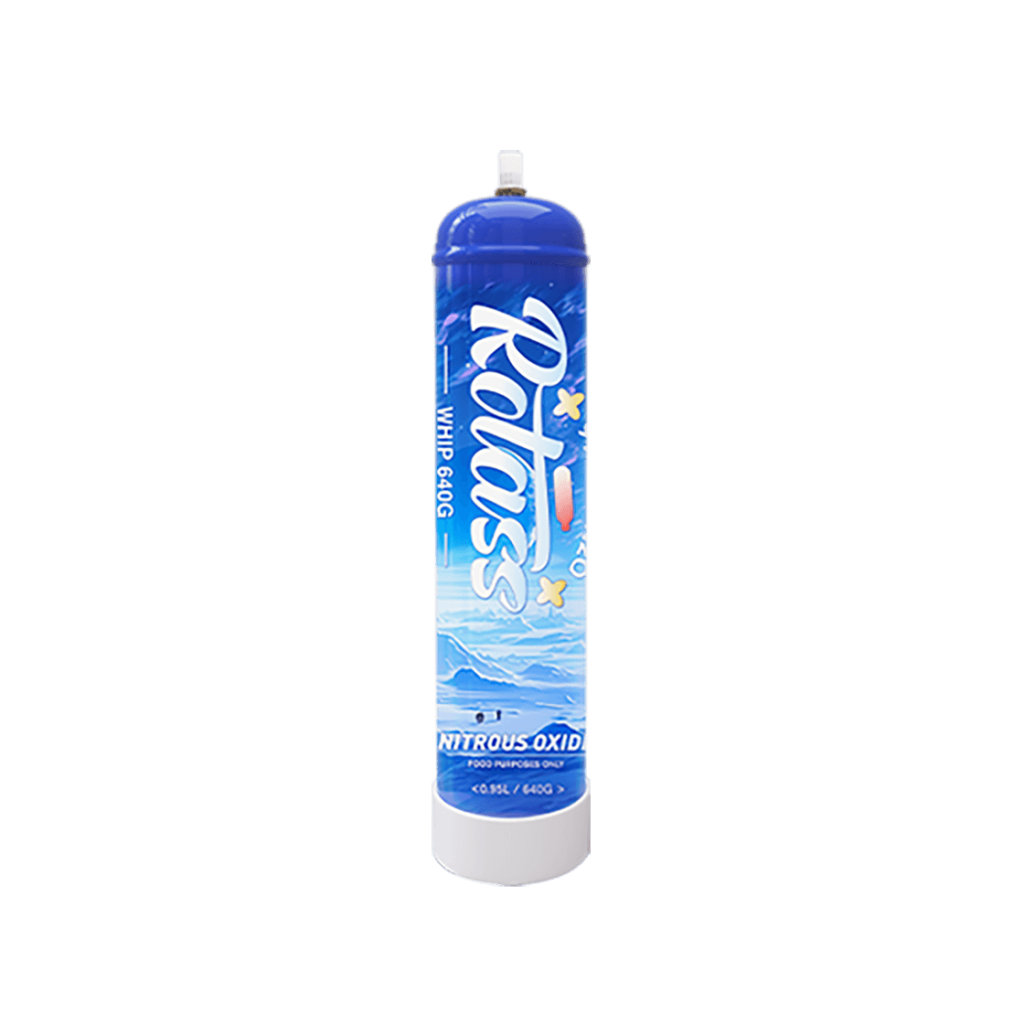
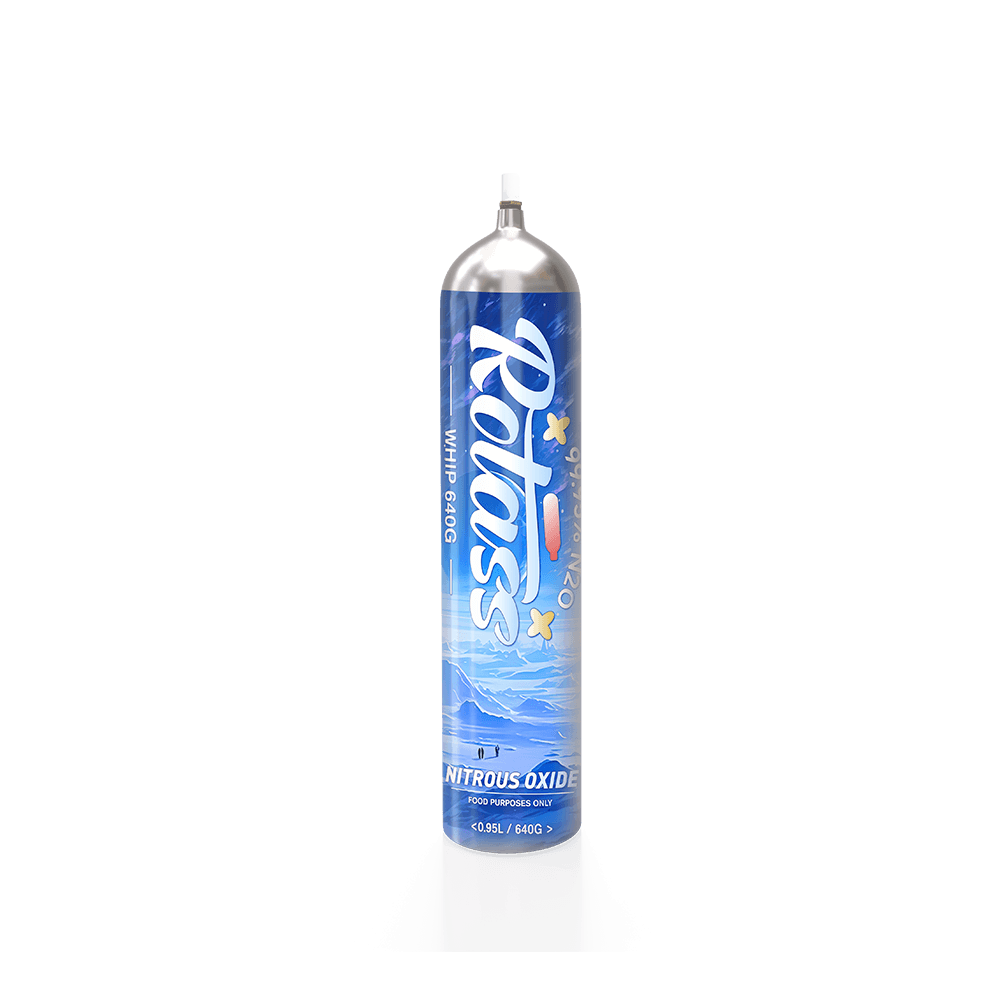
Rotass’ food-grade nitrous oxide tank is the most common type of nitrous oxide tank on the market. A complete system with 580g/615g of food-grade nitrous oxide is frequently delivered as a liquid in single-use cartridges of 8 grams. The nitrous oxide tank serves as a propellant in the production of whipped cream, gourmet foams, delicate sauces, marinades, and unique cocktails. As a manufacturer of food-grade nitrous oxide cream chargers for the food and beverage industries, we have observed an increase in demand for food-grade nitrous oxide as chefs and baristas become bold in their approach.

In addition, we can provide a 640g aluminum N2O cylinder, 2.2L N2O Tank, 3.3L N2O Tank, and other products. If you want to know more, please click here.