Last Updated: May 2026
How Long Does Whipped Cream Last in a Dispenser? (And How Cream Chargers Actually Extend It)
Table of Contents
Most people discover the shelf life problem the hard way, you open the dispenser two days after making a fresh batch, and the cream that comes out is watery, flat, or just off. If that sounds familiar, you’re not alone.
The good news is that whipped cream made in a proper dispenser with N₂O cream chargers lasts significantly longer than most people expect. The bad news is that a lot of the information online gets the numbers wrong or skips over the details that actually matter for storage.
This guide covers everything: how long each type of whipped cream lasts, why the dispenser method outperforms the rest, and what you can do to push freshness as far as possible.
The Quick Answer: How Long Does Whipped Cream Last?
Before getting into the details, here’s a straightforward reference based on general food safety guidelines and culinary practice:
| Type | Refrigerated Shelf Life |
| Homemade (bowl-whipped) | 1–2 days |
| Stabilized homemade | 3–5 days |
| Canned aerosol (opened) | 1–2 weeks |
| Dispenser with N₂O charger | 7–10 days |
| Dispenser + stabilizer | Up to 2 weeks |
The dispenser method consistently outperforms bowl-whipped cream, and there’s a specific reason for that which we’ll get to in the next section.
Why Dispenser Cream Lasts Longer
When you charge a whipped cream dispenser with a nitrous oxide (N₂O) cartridge, something useful happens beyond just making the cream fluffy. N₂O is what food scientists call bacteriostatic, which actively suppresses bacterial growth inside the sealed canister.
According to the Whipped-cream charger entry on Wikipedia, “a charged cream dispenser can be kept in the refrigerator for up to two weeks” precisely because of this property. N₂O dissolves into the fat molecules in cream and creates an environment where bacteria have a harder time multiplying.
99.95% purity · OEM · Low MOQ · Local delivery
This is different from what happens when you whip cream with a hand mixer or stand mixer. Bowl-whipped cream is exposed to air during the process, and once it’s in a container, there’s no pressurized gas protecting it. It starts breaking down within 24 hours.
The dispenser essentially acts as a sealed system that keeps the cream protected between uses. That said, how long it stays good depends on more than just the gas.
Four Things That Affect Whipped Cream Shelf Life
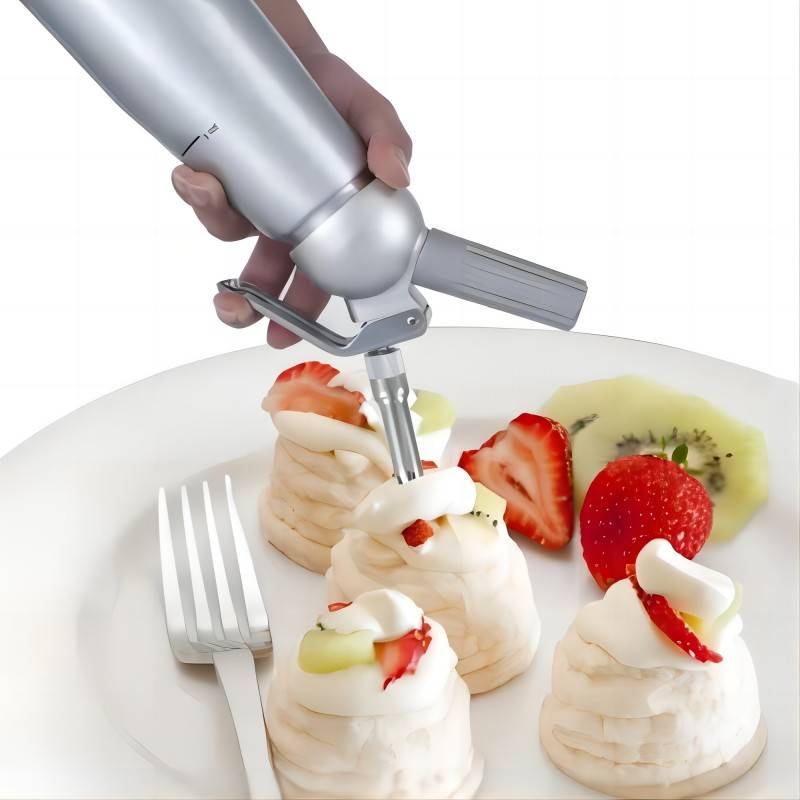
Getting the most out of your dispenser comes down to a few key variables. Miss one, and your cream won’t last nearly as long as it should.
1. Fat content of the cream. Heavy whipping cream with at least 36% fat content holds up the best. Lower-fat creams whip up initially but tend to separate faster, especially in storage. If you’re using a cream with under 30% fat, don’t expect the same results.
2. How fresh the cream was when you loaded it. This one is straightforward but easy to overlook. Starting with cream that’s close to its expiry date means you’re already starting the clock late. Always use cream well within its best-before date.
3. Temperature of your refrigerator. The FDA recommends keeping your fridge at or below 40°F (4°C). Cream stored at the back of the fridge where temperatures are most stable stays fresh longer than cream stored in the door, where the temperature fluctuates every time you open it.
4. How often you open and use the dispenser. Every time you press the lever, you introduce a small amount of external air near the nozzle. Keeping the dispenser clean and capping the nozzle after each use reduces this exposure.
How to Store Whipped Cream in a Dispenser Correctly
The steps are simple, but each one matters.
After charging your dispenser, keep it upright in the refrigerator immediately, never leave it at room temperature for more than two hours. Storing it on its side can cause the gas and cream to separate, which results in uneven dispensing and a shorter lifespan.
Before each use, give the dispenser a gentle shake to recombine any separated liquid. Then test a small amount before using it on food. If the texture comes out smooth and consistent, you’re good. If it comes out runny or starts with a lot of liquid, that’s a sign something has shifted.
After each use, wipe the nozzle clean. Residue left on the nozzle is one of the most common sources of contamination that shortens cream life.
Finally, keep the lid or cap on when the dispenser isn’t in use. Even a loosely sealed nozzle can let in enough bacteria to affect the cream within a few days.
What to Expect Day by Day
Not all cream freshness is binary. It doesn’t just go from perfect to bad overnight. Here’s a realistic picture of what happens over time in a properly stored dispenser:
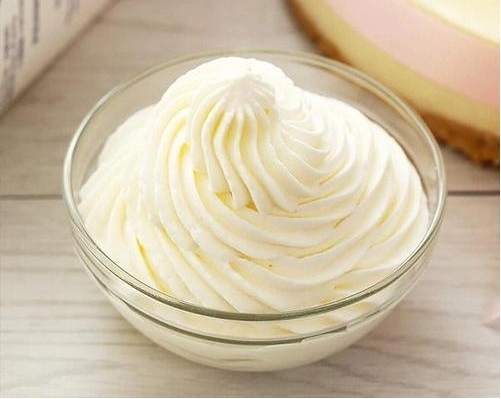
Days 1–3: The cream is at its best. Texture is airy and stable, flavor is clean, and it dispenses consistently.
Days 4–6: Still good, but you may notice the first dispense is slightly more liquid before the cream stabilizes. A quick shake before use fixes this. Taste and smell should still be neutral.
Days 7–10: This is the outer edge for most standard batches. The texture may be slightly less firm, and the cream won’t hold its shape as long after dispensing. It’s still safe to use if it passes the smell and visual check, but use it up soon.
Beyond day 10: This is where you need to be careful. The cream may start to develop a faint sour smell or a grainy texture, both are signs that it’s no longer at a safe or enjoyable quality level.
Getting the Most Out of Your Dispenser
A few simple habits will consistently get you toward the upper end of that 7–10 day window:
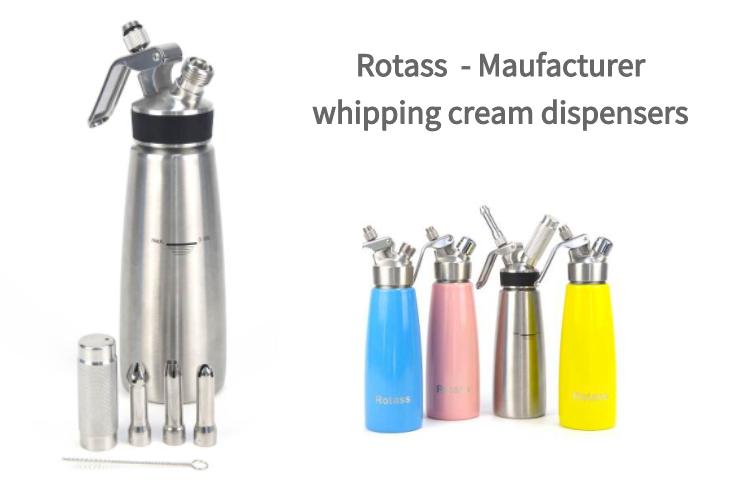
Chill everything first. Cold cream charges better and holds up longer. Refrigerate your cream for at least two hours before filling the dispenser. If your dispenser is warm from sitting out, rinse it with cold water before use.
Don’t overfill. The dispenser needs airspace for the gas to mix properly with the cream. Fill to the indicated line usually about two-thirds of the canister’s capacity. Overfilling leads to uneven texture and can actually reduce shelf life by preventing proper pressurization.
Store upright. Always store the dispenser with the nozzle facing up. On its side, the cream can block the valve mechanism and cause inconsistent dispensing.
Shake before each use. Give the dispenser 2–3 gentle shakes before dispensing. This recombines any cream that has settled and ensures a consistent pour.
Keep the nozzle clean. After each use, briefly run warm water through the nozzle tip. Cream residue left on the nozzle can dry and block it and in warm conditions, it’s also a contamination point.
How to Tell If Whipped Cream Has Gone Bad
Before using cream from a dispenser that’s been sitting for a while, run through these checks:
Smell it first. Fresh whipping cream has a clean, neutral to mildly sweet scent. If it smells sour, cheesy, or like old milk, discard it without tasting.
Check the texture on dispensing. If it comes out watery or the foam immediately collapses and turns liquid, the structure has broken down. This doesn’t always mean it’s unsafe, but the quality is gone.
Look at the color. It should be white to very light ivory. Any yellowing or graying is a sign of spoilage.
When in doubt, throw it out. Cream is inexpensive. The risk of consuming spoiled dairy isn’t worth it.
FAQs
How long does whipped cream last in a dispenser without refrigeration?
It shouldn’t be left out at room temperature for more than two hours. Beyond that, bacterial growth accelerates quickly and the cream is no longer safe.
Can I recharge the dispenser with a new cartridge to extend freshness?
Adding a new N₂O charge to an existing batch won’t meaningfully extend freshness — the limiting factor is the cream itself, not the gas level. If the cream is already 8–9 days old, a new charge won’t reset the clock.
Does the brand of cream charger affect how long the cream lasts?
The quality of the charger affects how evenly the gas distributes, which can impact texture consistency. A properly pressurized batch with a high-purity N₂O charger does perform better than an inconsistently filled one.
Can I freeze whipped cream made in a dispenser?
You can freeze it in small dollops on a baking sheet, then transfer to an airtight container. The texture changes on thawing — it becomes slightly grainy and won’t hold its shape as well. It works for toppings that get mixed in, but not for decorative use.
Why does my cream come out flat even when it’s fresh?
The most common causes are: cream that wasn’t cold enough before charging, overfilling the dispenser (leaving no room for the gas to mix), or not shaking adequately after charging. Chill your dispenser and cream beforehand, fill to the marked line, and shake firmly for 15–20 seconds.
Is it safe to use N₂O cream chargers with plant-based cream?
Coconut cream and some oat-based creams can be used with N₂O dispensers, but their shelf life is generally shorter — aim to use within 3–5 days. The fat structure in plant-based options is less stable than dairy, so they don’t hold up as well under pressure storage.
How do I clean the dispenser between uses?
Disassemble all removable parts after each full batch is used up. Wash with warm soapy water, rinse thoroughly, and dry completely before the next use. Never put the main canister body in a dishwasher — hand wash only.
Why does the cream sometimes come out with a lot of liquid at the start?
This happens when gas and cream separate during storage — completely normal. Always shake the dispenser for a few seconds before dispensing, and that first bit of liquid will re-incorporate quickly.
Chat with us on Whatsapp, we’ll sort you out in minutes.