2024 / 08 / 26
Differences Between Food-Grade and Medical-Grade N2O
Last Updated: April, 22, 2026
Table of Contents
- What is Food-Grade Nitrous Oxide?
- What is Medical-Grade Nitrous Oxide?
- Differences Between Food Grade and Medical Grade Nitrous Oxide
- How to Choose a Right Food-grade N₂O Supplier?
- Final Words
Nitrous oxide (N2O), commonly known as laughing gas, is a versatile compound with applications in both the culinary and medical fields. Despite its singular chemical composition, N2O is classified into different grades based on its intended use, each with specific purity standards, safety requirements, and production processes. This article explores the key differences between food-grade and medical-grade N2O, emphasizing their distinct characteristics, applications, and production methods.
What is Food-Grade Nitrous Oxide?
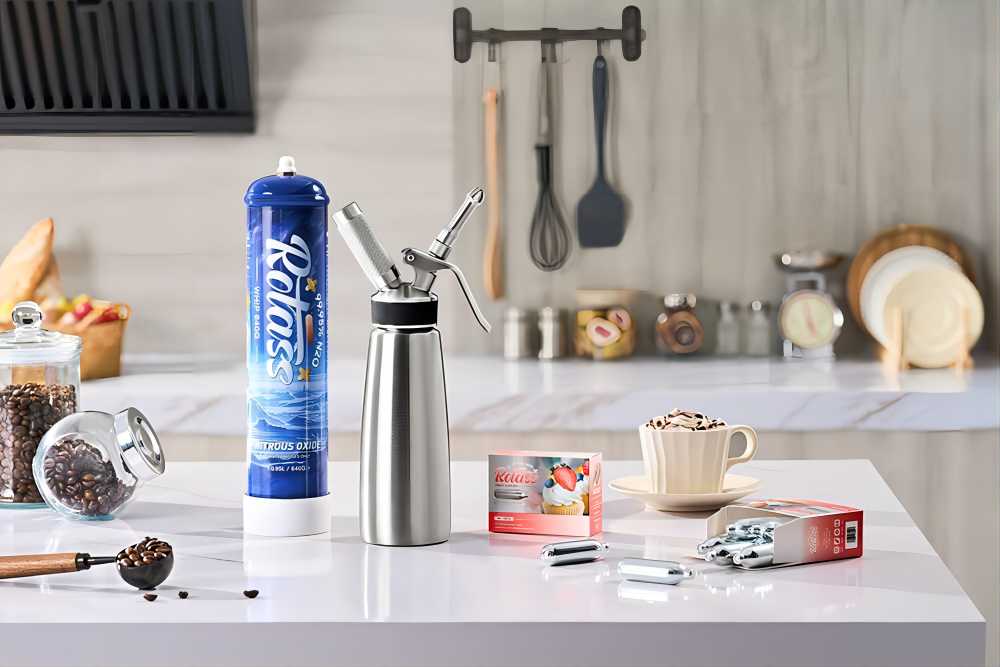
Food-grade N2O is primarily used in the culinary industry, particularly for tasks such as whipping cream, creating foams, and making cocktails. Its main function is to provide stable pressure, which helps in the proper formation and consistency of these food products. In some cases, it is also used as a flavor enhancer.
Food-grade N2O is typically stored in small canisters or cartridges, which are convenient for use in kitchens. Since it comes into direct contact with food, it must comply with strict safety standards for food contact materials. These standards ensure that the gas is non-toxic and harmless, preventing any adverse effects on food or consumers.
Some food-grade N2O canisters are equipped with a bittering agent to prevent misuse. This additive is designed to deter recreational inhalation by making the gas taste unpleasant. This measure reflects the manufacturers’ commitment to safety and helps mitigate the risk of abuse.
What is Medical-Grade Nitrous Oxide?
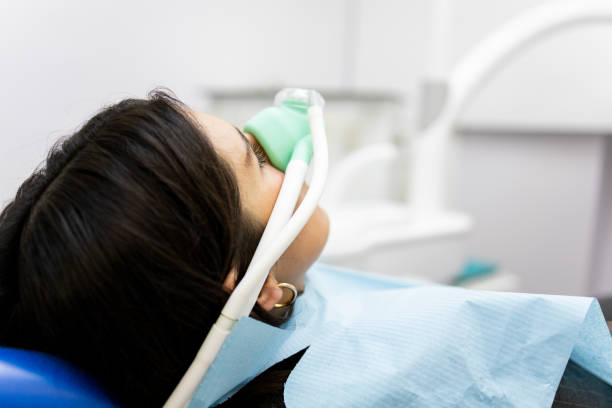
Medical-grade N2O, on the other hand, is widely used in the healthcare sector, especially in dental and obstetric procedures. It serves as a mild anesthetic or analgesic when mixed with oxygen, helping patients remain calm and comfortable during medical treatments. Given its critical role in patient care, medical-grade N2O must meet very high purity standards, typically exceeding 99.5%.
The use of medical-grade N2O is tightly regulated. The gas is administered through specialized medical equipment under the supervision of trained healthcare professionals. This controlled use is crucial for ensuring patient safety and optimizing the efficacy of the gas as an anesthetic or analgesic.
The Difference in Primary Uses Between Food-Grade and Medical-Grade Nitrous Oxide
1. Food-grade N2O
In the catering industry, the most common use is to foam fresh cream, making the cream texture more delicate and fluffy, and it is widely used in the making of desserts such as cakes and coffee. It can also be used to inflate carbonated beverages, enhancing the effervescence of the drinks.
- Food processing: In the production process of some foods, it can be used for preservation treatment to delay the oxidation and deterioration of food. It can also be used as a cream charger for baking ingredients to optimize the taste and shape of food.
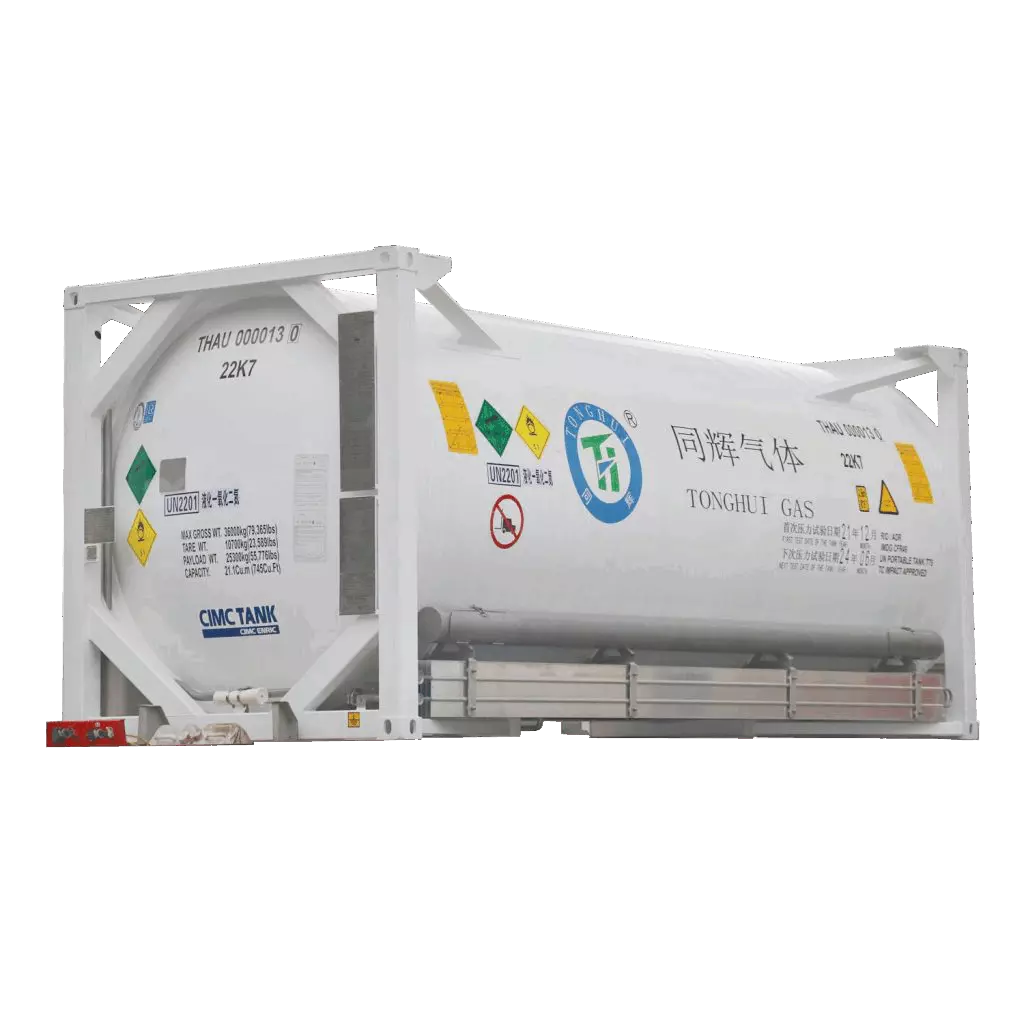
- Supporting equipment: Food-grade N₂O is usually stored in dedicated steel cylinders, which are essential for maintaining the purity level required for food use, such as in whipping cream. These cylinders must pass food contact safety certification and follow specific storage regulations to avoid environmental influences such as high temperatures and direct sunlight.
2. Medical-grade N2O
- Clinical anesthesia: It is often mixed with oxygen as an inhalation anesthetic and is suitable for scenarios such as surgical operations and dental treatments. It can quickly put patients into an anesthetized state, and they recover relatively quickly, with a relatively mild impact on the body.
- Medical assistance: In some pain management scenarios, it can be used to relieve patients’ acute pain. At the same time, it can also play an auxiliary role in some respiratory function auxiliary treatments.
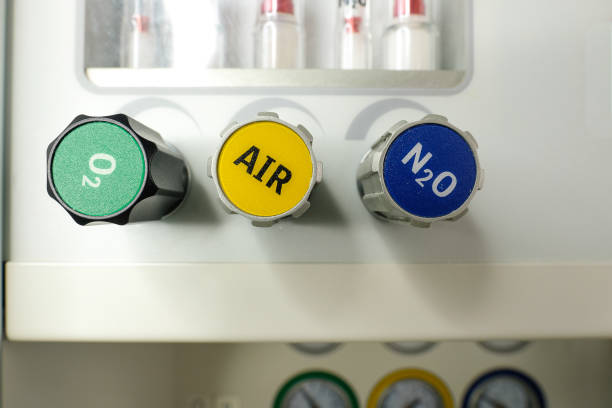
- Usage norms: The use of medical-grade N₂O must be matched with professional medical equipment to ensure that the nitrous oxide is used safely and effectively. Operators must have the corresponding clinical qualifications and strictly follow medical operation standards to avoid risks caused by improper use of medical N₂O.
3. Purity standards
Purity is the most fundamental difference between the two types of nitrous oxide, and the types of impurities they target and the control ranges are completely different, especially in relation to medical applications.
The industry-wide general purity requirement for food-grade nitrous oxide is usually no less than 99.9%, while medical-grade nitrous oxide may have even stricter purity level standards. The focus of impurity control is on heavy metals, harmful gases and other contaminants related to food safety, which must comply with the purity regulations for food additives stipulated in national food safety standards.
The purity requirements for medical-grade N₂O are even more stringent, typically no less than 99.95%, highlighting that medical nitrous oxide is regulated to ensure safety in its applications compared to food-grade nitrous oxide. Besides controlling common harmful impurities, it is also necessary to strictly limit contaminants such as bacteria and particles that may cause medical infections. The standard is based on the Good Manufacturing Practice (GMP) for drugs, which has a much higher control over the purity of medical-grade nitrous oxide than the standards for food additives.
The Difference in Packing Between Food-Grade and Medical-Grade Nitrous Oxide
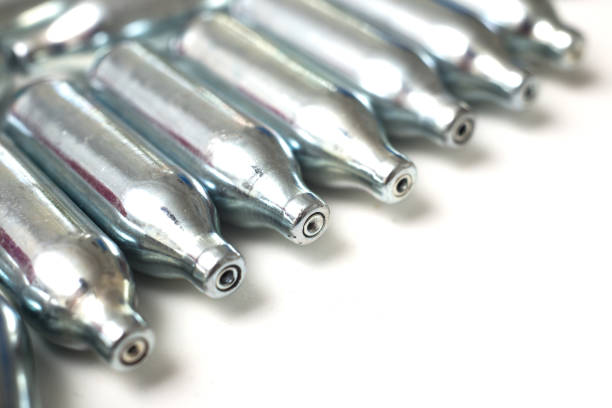
Food-grade N2O is typically packaged in small canisters or cartridges. These containers are designed for easy use in kitchens and must comply with food safety standards. The packaging materials are selected to ensure that they do not leach harmful substances into the gas or food products.
Medical-grade N2O is stored in specialized canisters or cylinders designed to meet stringent safety requirements. The packaging is built to withstand the rigors of medical use, ensuring that the gas remains uncontaminated and safely delivered to the patient. The containers are constructed from materials that comply with medical equipment standards and are designed to prevent leaks and ensure reliable performance.
Production Process Differences Between Food-Grade and Medical-Grade Nitrous Oxide
1. Raw Material Selection
The production of both food-grade and medical-grade N2O begins with chemical reactions to generate the gas. However, medical-grade N2O requires more stringent raw material selection to ensure the highest purity and safety standards. The choice of raw materials for medical-grade N2O is critical in avoiding contaminants that could compromise the gas’s quality.
2. Purification Processes
- Food-Grade N2O: The purification process involves basic methods such as adsorption, filtration, and condensation. These steps are designed to remove moisture, oxygen, and other impurities to meet food-grade standards. While effective, these processes do not achieve the high level of purity required for medical use.
- Medical-Grade N2O: The purification process is more elaborate and includes advanced techniques such as multiple distillations, deep freezing, and molecular sieve adsorption. These methods are employed to achieve a purity level of 99.5% or higher, removing even trace amounts of contaminants that could affect patient safety.
3. Quality Testing
- Food-Grade N2O: Tested primarily for food safety and purity to ensure it does not pose health risks.
- Medical-Grade N2O: Subjected to extensive testing including purity, sterility, and endotoxins to ensure that the gas is safe and effective for medical use.
How to Choose a Right Food-grade N₂O Supplier?
For users with food-grade N₂O procurement needs, choosing the right supplier and gas cylinder is of vital importance, as it directly affects product quality and usage safety in the food industry. This not only affects production safety, but also influences the final quality of the product and the trust of customers in the food industry. If non-food grade gases are used, they may cause oil stains, odors or trace impurities to contaminate food products, thereby spoiling the taste of food and even posing health risks associated with food use.
1. Verify core qualifications: Give priority to suppliers holding food additive production licenses and business licenses, especially those dealing with medical-grade nitrous oxide. At the same time, require them to provide product inspection reports and confirm that all indicators in the reports comply with national food safety standards.
2. Evaluate the strength of the enterprise: Understand the production scale of the supplier and whether the quality control system is complete, such as whether it has standardized production workshops, professional testing equipment, etc. At the same time, pay attention to the stability of the supply chain to ensure timely supply and avoid affecting the production or business progress.
3. Examine service capabilities: Ask the supplier if they can offer customized packaging services, such as providing cylinders of different capacities according to requirements; Understand the delivery time limit to ensure that the products can be delivered in a timely manner. In addition, high-quality after-sales technical support is also very important, such as providing storage and usage guidance for medical-grade nitrous oxide and promptly resolving any problems encountered during use.
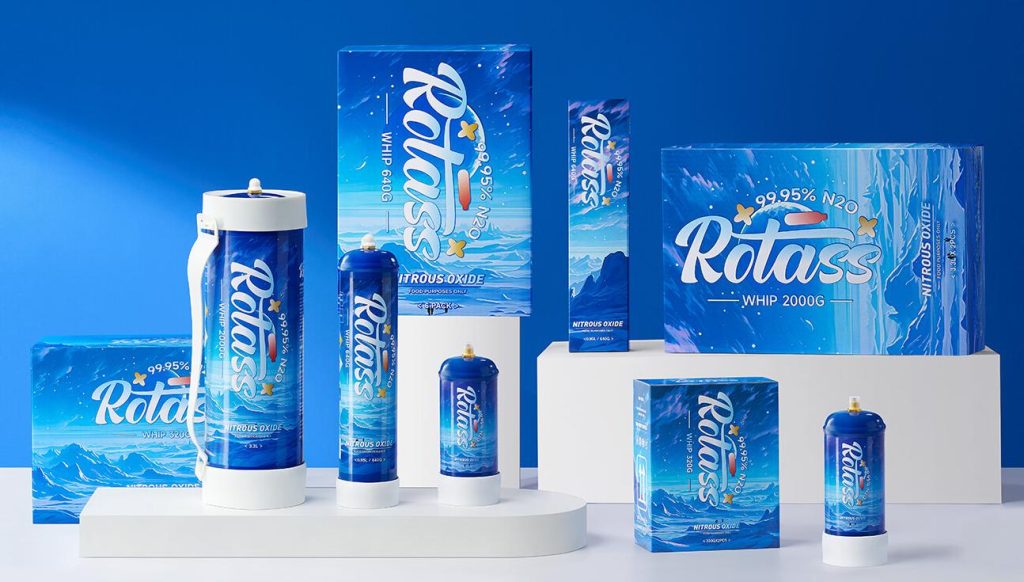
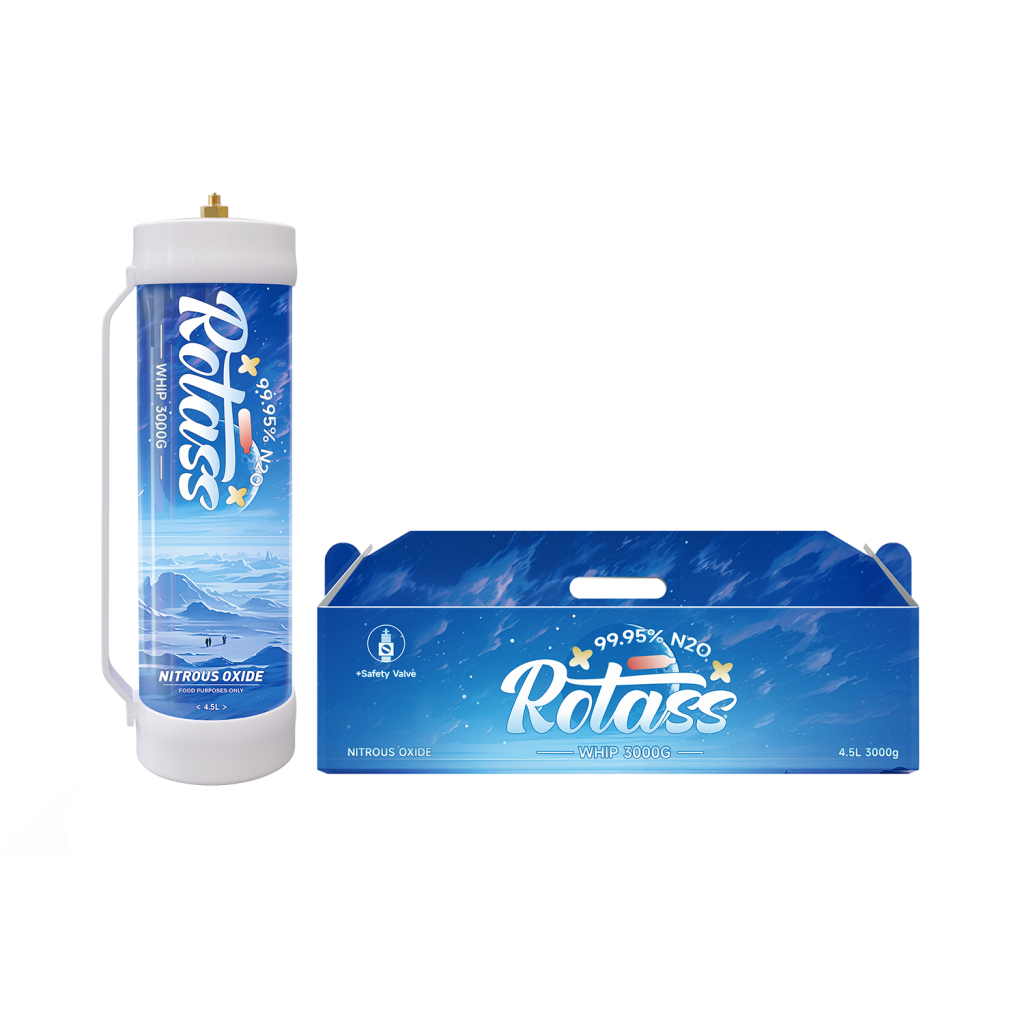
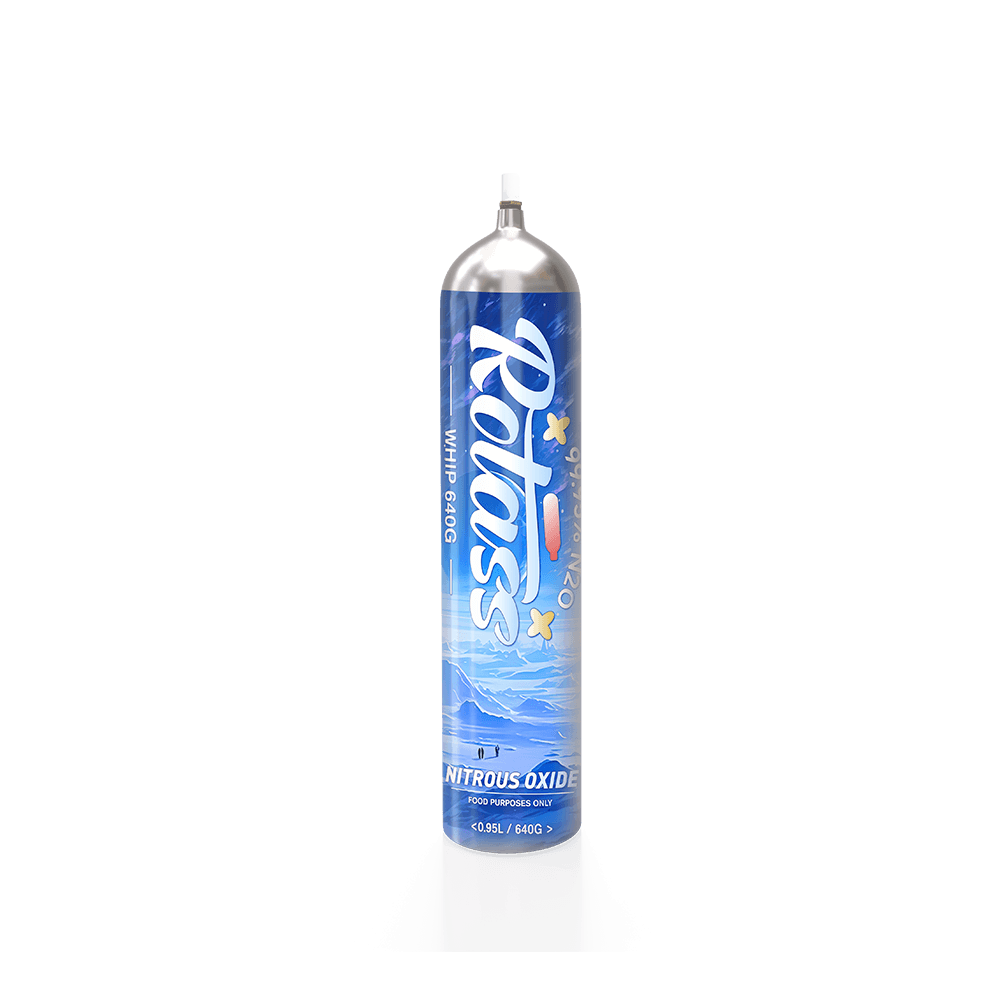
Rotass has been dedicated to the research and development and supply of food-grade N₂O, and has established a complete quality traceability system and international standard testing procedures. From gas purification, filling to storage and transportation, every link complies with food safety systems (such as HACCP and ISO standards) to ensure that food-grade N₂O is safe for use in the food industry.
In addition, Rotass offers a variety of food-grade nitrous oxide cylinders and filling solutions in different specifications to meet the diverse needs of customers in the catering, baking, dessert workshops and mass production industries. Whether it is a small coffee shop or a large food factory, they can all obtain consistent and stable gas quality and user experience.